
On this page
- Why an Undecided Day Is Harder to Dress For Than a Planned One
- Build Around Effort Level, Not a Specific Activity
- A Base Outfit That Can Go Either Way
- Shoes Are the Actual Risk Factor
- Accessories Do More Work Than the Outfit Itself
- Outfit Formulas for Common Open-Ended Days
- Color Choices That Make Swapping Pieces Easier
- Pack a Small Backup Instead of Guessing
- One Piece, Worn Differently, Solves More Than a Full Second Outfit
- Common Mistakes That Make an Open Day Harder to Dress For
- A Two-Minute Way to Put This Together Before Leaving the House
Someone always says “let’s play it by ear” on a Saturday, and somehow that phrase carries more weight than it should. It could mean coffee and a slow walk. It could mean someone texts at noon with tickets to something across town. It could mean nothing happens at all until 6 p.m., when everyone suddenly wants dinner. An open weekend is a nice problem to have, but it is still a problem when you are standing in front of a closet at nine in the morning with no idea what the day actually needs from you.
Most outfit advice assumes you know where you’re going. A wedding guest look assumes a wedding. A work outfit assumes a desk. A day with no fixed plan does not get the same treatment, even though it is one of the more common situations people actually get dressed for. This is less about picking the “right” outfit and more about picking one that can absorb whatever the day decides to throw at it.
Why an Undecided Day Is Harder to Dress For Than a Planned One
A planned day gives you a target. You know the venue, the crowd, roughly how long you’ll be out, and what the space will feel like. An unplanned day removes all four of those variables at once, which is a bigger ask than it sounds.
The instinct is often to either overdress, just in case something nice comes up, or underdress, on the assumption that nothing will. Both approaches solve for one version of the day and leave you stuck if a different version shows up instead. Overdressing makes a spontaneous hike or a walk through a farmers market feel wrong. Underdressing makes a last-minute dinner invitation feel like scrambling to catch up.
The more workable approach treats the outfit as a starting point rather than a finished decision, something you can adjust in five minutes rather than something you have to get exactly right at 9 a.m.
Build Around Effort Level, Not a Specific Activity
Rather than trying to guess whether the day will involve a café, a store, a park, or a friend’s apartment, it helps to think in terms of effort level instead. Most weekend activities fall somewhere between “comfortable and undone” and “put together without trying too hard.” Almost nothing on a typical open Saturday calls for anything more formal than that middle ground.
An outfit built for that middle effort level tends to survive contact with almost any plan that develops. It can hold up walking several miles, sitting in a booth for two hours, or standing around at someone’s front door. The goal isn’t finding an outfit for every possible scenario. It’s finding one outfit that doesn’t actively fail in most of them.
A Base Outfit That Can Go Either Way
Bottoms That Split the Difference
Straight-leg or slightly wide jeans, a midi skirt with some structure to it, or tailored joggers all sit comfortably between “just running errands” and “actually going somewhere.” Very fitted pieces tend to read as more dressed up than the rest of an outfit needs to be, and anything too loose or athletic starts to look like it belongs strictly to a gym day. The middle ground is what carries the outfit through the widest range of settings.
A Top That Works Sitting Down and Standing Up
A fitted knit, a simple button-down, or a plain t-shirt in a fabric that doesn’t wrinkle after being balled up in a bag all do the job here. The main thing to avoid is anything that only looks finished in one specific position, a top that looks great standing at a bar but rides up or wrinkles badly the second you sit in a car for twenty minutes.
One Structured Piece That Changes the Whole Read
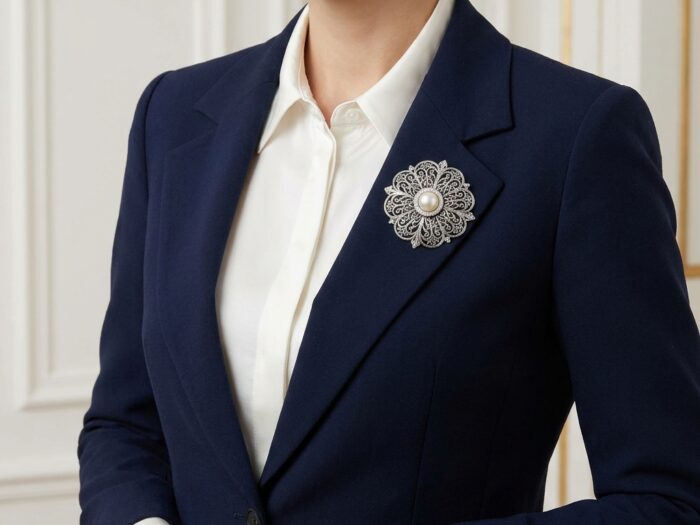
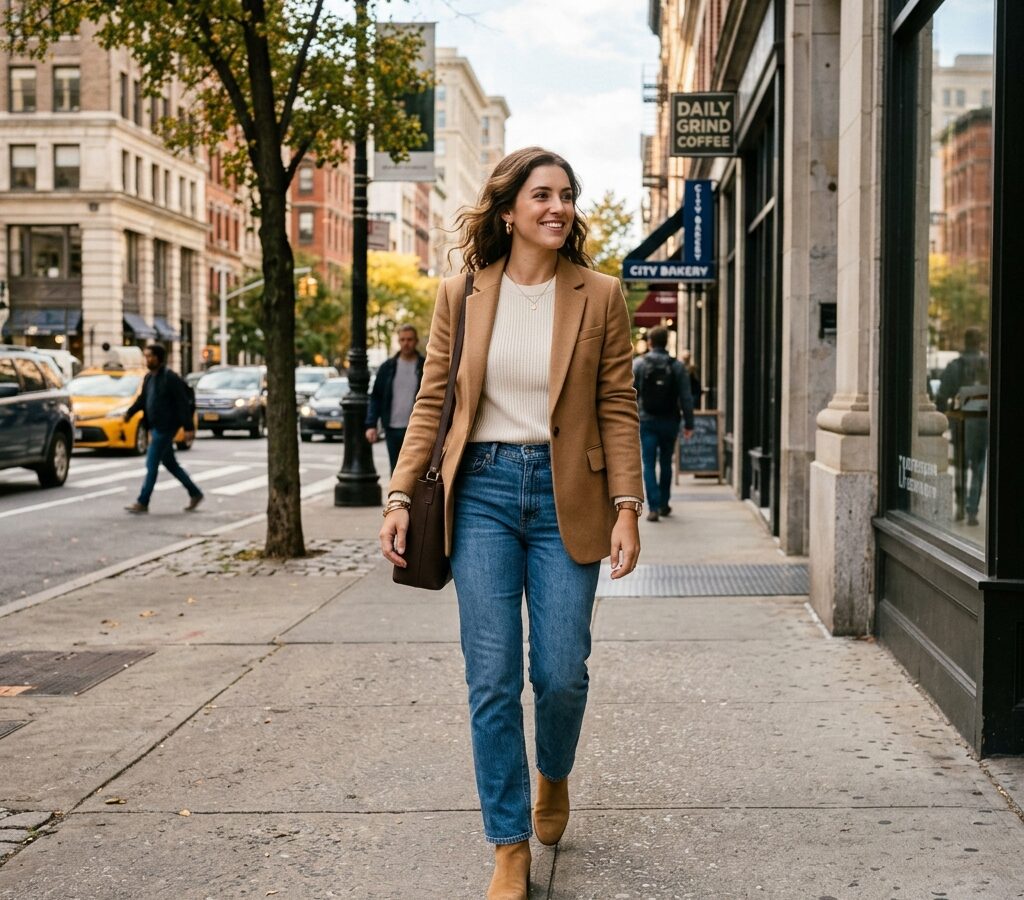
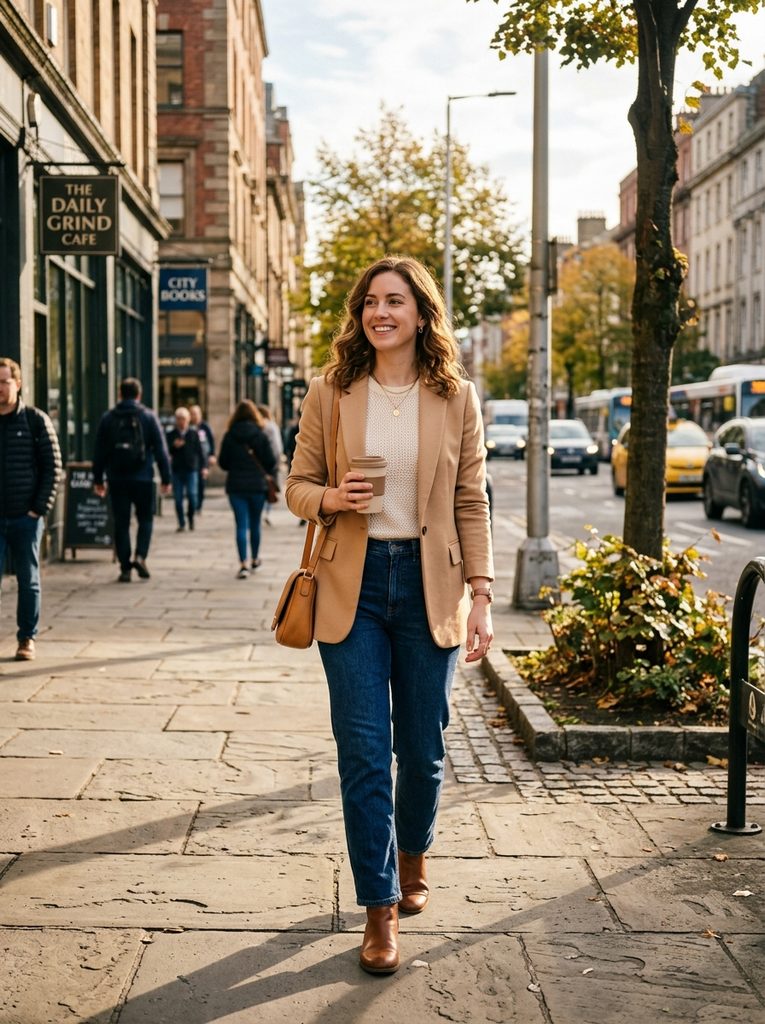
This is usually the piece doing the most work in the entire outfit. A blazer, a longer cardigan, or a well-cut jacket takes a basic top-and-bottom combination and makes it look considered, without needing anything underneath to change. Taking it off later in the day, if plans turn more casual, still leaves a complete outfit behind. Putting it back on for something slightly nicer takes seconds. This same logic shows up in office outfit formulas built around a single structured layer, and it works just as well once the workday is over.
Shoes Are the Actual Risk Factor
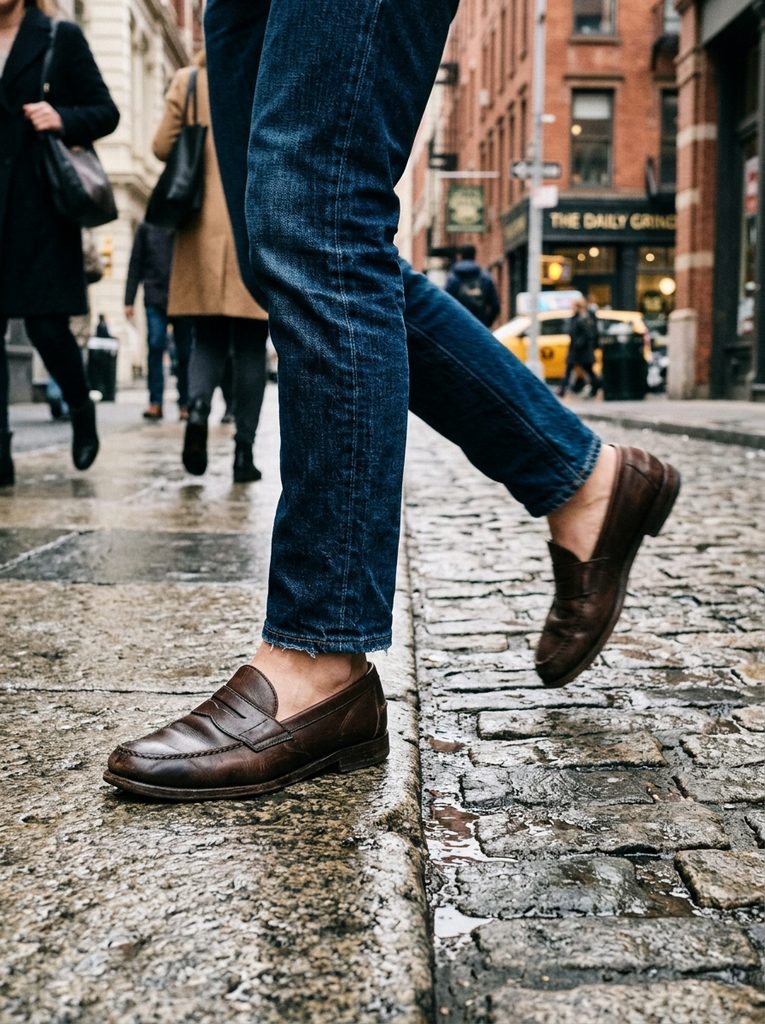
More weekend outfits get derailed by shoes than by anything else in the closet. A pair chosen for one specific plan often turns out to be wrong the moment that plan changes.
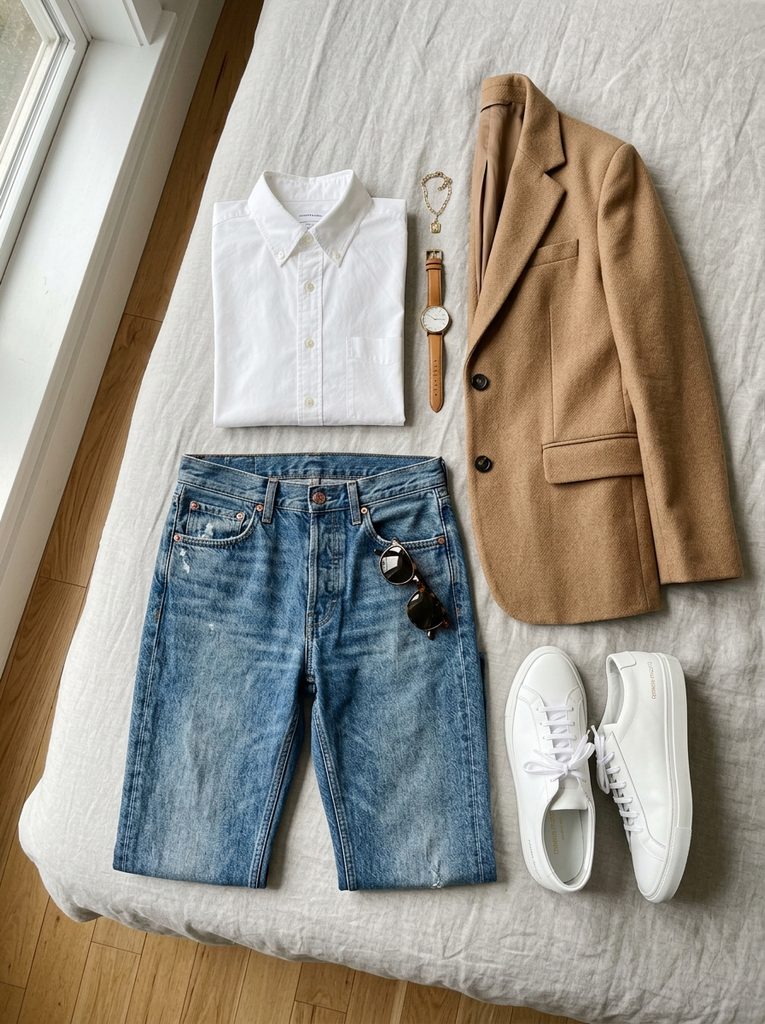
- Clean sneakers cover almost everything except a genuinely dressy dinner, and even then, a good pair in a neutral color gets closer than most people assume.
- Loafers move between casual and slightly polished without much effort and hold up to a full day of walking.
- A low block heel adds a little more polish for later in the day without sacrificing comfort the way a thin heel does.
- Ankle boots, depending on the season, sit in almost the exact middle of casual and dressed up, which is why they show up in so many weekend outfits by default.
Choosing one adaptable pair rather than planning around multiple shoe changes keeps the whole day simpler, and it avoids the moment of standing at the door wondering whether to bring a backup pair just in case.
Accessories Do More Work Than the Outfit Itself
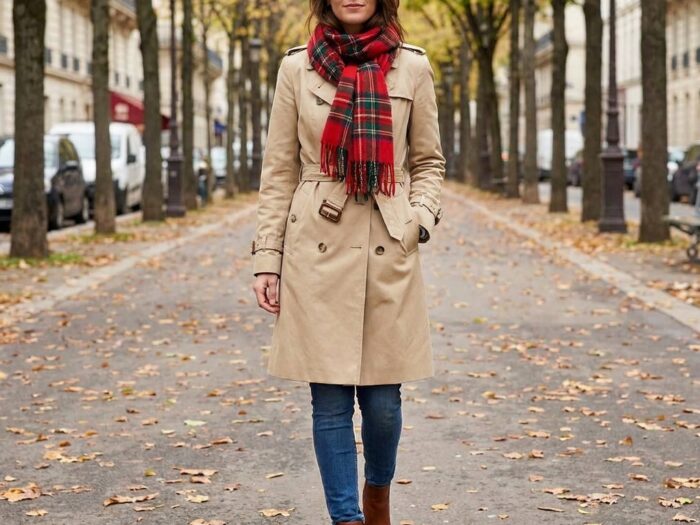
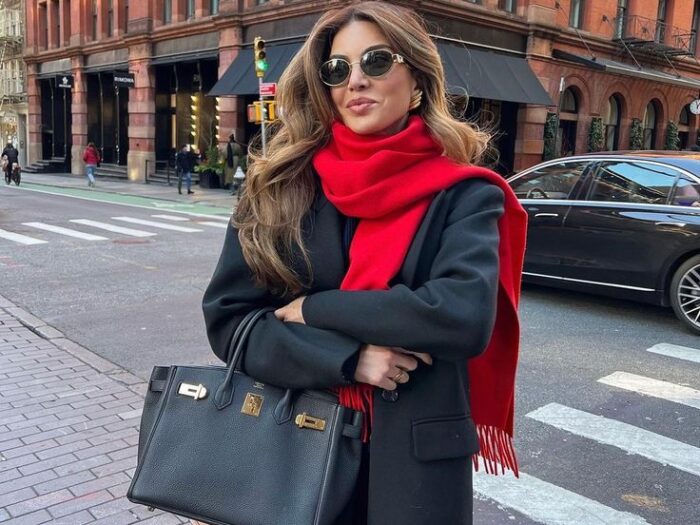
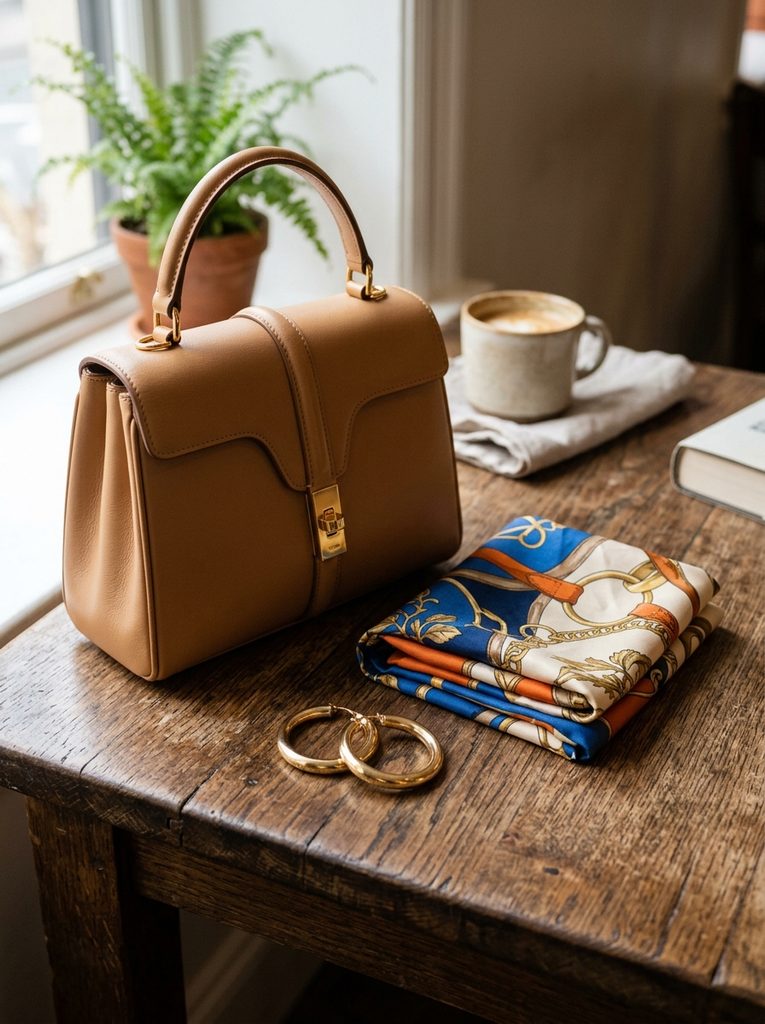
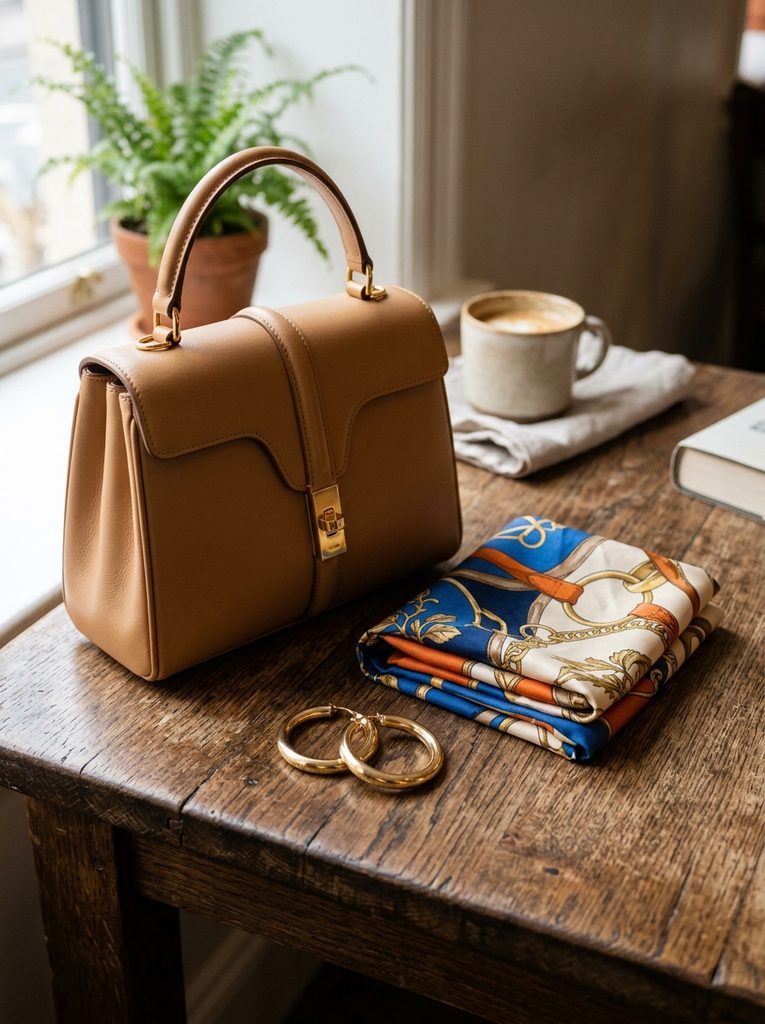
When the bottoms, top, and shoes are already flexible, accessories become the fastest way to shift an outfit’s mood without changing a single garment. A structured bag instead of a slouchy tote reads more put together in under a second. Swapping small studs for a pair of hoops does something similar. A scarf, tied differently or added later in the day, can move an outfit from purely practical to slightly more considered.
Bag choice matters more on an open day than it does on a planned one, since it needs to carry more than a single outing’s worth of things. The handbag sizes worth carrying for this kind of day tend to sit in the mid-size range, big enough for a phone, cards, a lipstick, and a folded layer, without turning into a full bag you’re stuck lugging around all afternoon.
Outfit Formulas for Common Open-Ended Days
A few reliable combinations tend to cover most versions of an unplanned Saturday or Sunday.
- Jeans, fitted top, blazer, sneakers. This works from a coffee run through an unexpected lunch invitation without a single change. Swap sneakers for loafers if the day tips more toward errands than sitting down somewhere.
- Midi skirt, simple knit, ankle boots. A slightly more put-together option that still tolerates a long walk or several hours on your feet, useful when there’s a chance the day includes something a little nicer than a coffee shop.
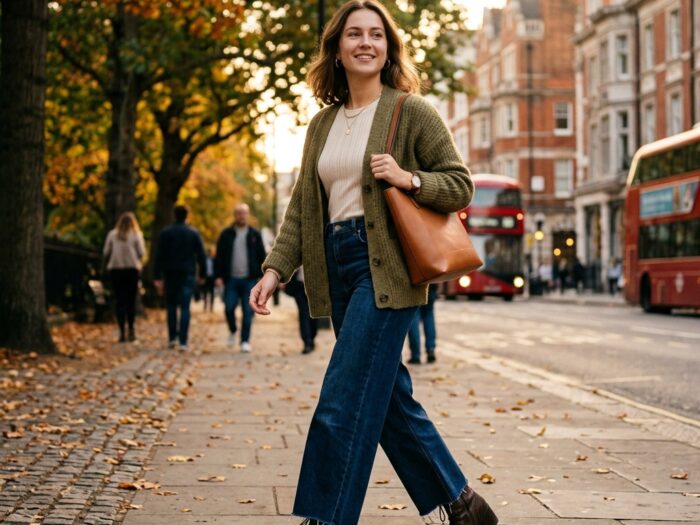
- Wide-leg trousers, t-shirt, structured cardigan. Comfortable enough for a morning that starts with nothing planned, polished enough to not look out of place if the afternoon turns into a spontaneous outing somewhere new.
- Denim, oversized shirt worn open over a fitted tank, flats. A layered combination that can be worn buttoned and tucked for something slightly dressier, or left open and casual if the day stays low-key.
None of these outfits depend on knowing the plan in advance. Each one just needs one piece removed or added to shift the whole look in either direction.
Color Choices That Make Swapping Pieces Easier
Sticking to a limited, coordinated color range across an outfit makes every swap later in the day easier, since almost anything within that range will still match. Building around one or two neutrals, and adding a single accent color through a bag, shoe, or scarf, avoids the situation where changing one piece mid-afternoon suddenly clashes with everything else.
This is the same logic behind neutral combinations that read more expensive than they cost, and it happens to solve two problems at once here. It looks intentional, and it keeps the outfit flexible enough to adjust without a full rethink.
Pack a Small Backup Instead of Guessing
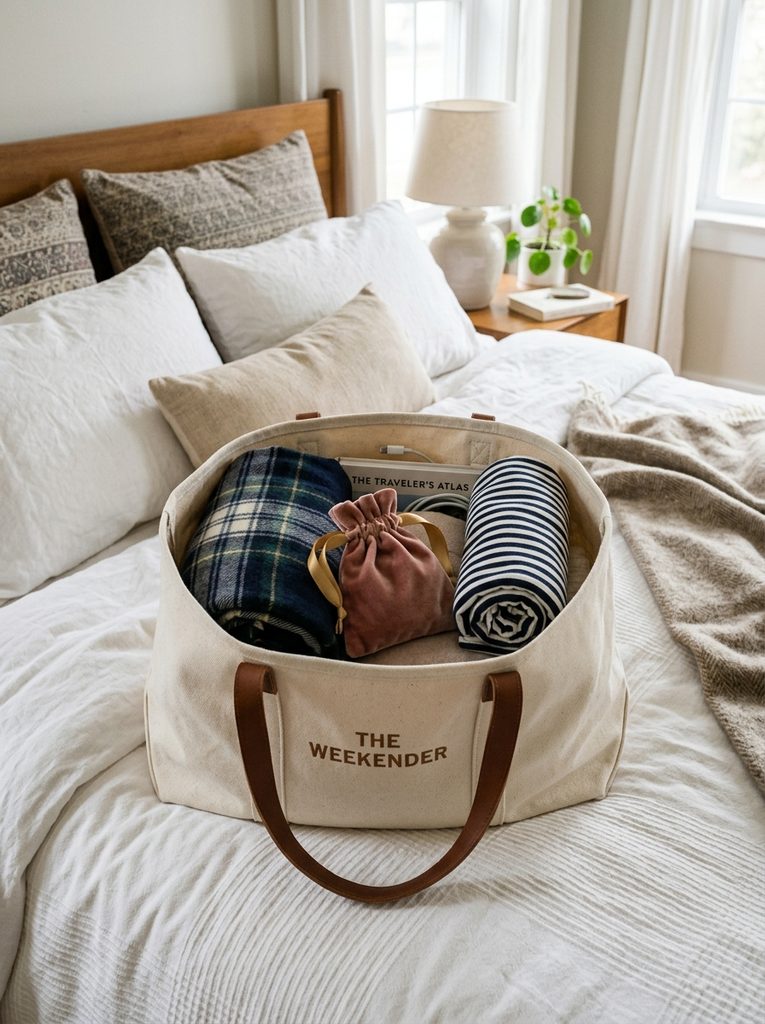
For days with a real chance of turning into something unplanned late, a compact bag with one or two backup pieces solves more problems than trying to predict the day in advance. A folded scarf, a spare pair of earrings, or a slightly nicer top rolled into a tote takes up almost no space and removes the need to guess correctly at 9 a.m.
This kind of light preparation tends to matter most for people whose weekend plans genuinely shift based on a group chat rather than a calendar. It costs nothing to carry a backup piece that goes unused. It costs a lot more to be stuck at 4 p.m. in an outfit that only works for the morning you originally expected.
One Piece, Worn Differently, Solves More Than a Full Second Outfit
Rather than packing several separate options, it’s usually more useful to bring variations on a single piece. A blazer that gets worn open in the morning and buttoned later reads differently without taking up extra room. The same logic applies to styling one blazer several different ways across a single day rather than across a week, just compressed into a shorter window of time.
Common Mistakes That Make an Open Day Harder to Dress For
A handful of habits tend to work against people more than the actual uncertainty does.
- Overthinking it the night before. Since the day itself is undecided, trying to plan the perfect outfit for it ahead of time usually wastes more effort than it saves. A flexible outfit built around general principles works better than a specific one built around a guess.
- Choosing an outfit that only works sitting or only works standing. A dress that wrinkles badly after twenty minutes in a car, or shoes that only feel fine walking short distances, cause problems the moment the day runs longer than expected.
- Packing too many backup options. One spare piece solves the problem. Three or four spare pieces just turn a small bag into a second suitcase.
- Assuming casual always means safe. A day that starts casual and ends at a nicer restaurant is common enough that leaning too far into comfort can leave you underdressed later, in the same way overdressing can feel wrong earlier in the day.
A Two-Minute Way to Put This Together Before Leaving the House
For anyone standing in front of a closet with genuinely no information about how the day will go, a short mental process tends to work better than trying to guess the plan.
- Pick a bottom and top from the flexible middle ground, comfortable enough for a full day, not so casual that a nicer plan feels off.
- Add one structured piece that can come off or go back on depending on where the day lands.
- Choose one pair of shoes that works for both walking and sitting, rather than optimizing for either extreme.
- Pick accessories in a color range that matches everything already chosen, so nothing needs rethinking later.
- If there’s a real chance plans shift significantly, pack one small backup piece rather than a full second outfit.
None of this requires knowing what the day holds. It just requires building an outfit that doesn’t need to know either.
There’s a reason so much attention goes toward reducing the number of small decisions in a day. Some research on decision fatigue suggests that routine choices quietly drain the same mental energy used for bigger ones, which is exactly the kind of energy worth saving for an afternoon that might turn into something more interesting than expected. An outfit built to flex, rather than one built around a guess, tends to be the difference between adjusting easily and starting over completely.

Ella is a fashion and beauty writer who shares inspiring ideas about hairstyles, nail designs, wedding outfits, and seasonal fashion trends. She loves discovering fresh styles and creating…
View Author Profile →