
On this page
- What Makes a Blazer Genuinely Versatile Before Buying One
- Five Ways to Style the Same Blazer
- Changing the Mood Without Changing the Blazer
- Fabric and Fit Considerations That Support All Five Looks
- Common Mistakes That Limit a Blazer’s Versatility
- Building a Small Blazer Wardrobe Instead of One-Off Pieces
A well-made blazer earns its price the moment it stops looking like a single outfit and starts looking like five. Most closets already own one that never gets asked to do more than sit over a blouse for a Monday meeting, which is a fairly narrow job for a piece capable of so much more.
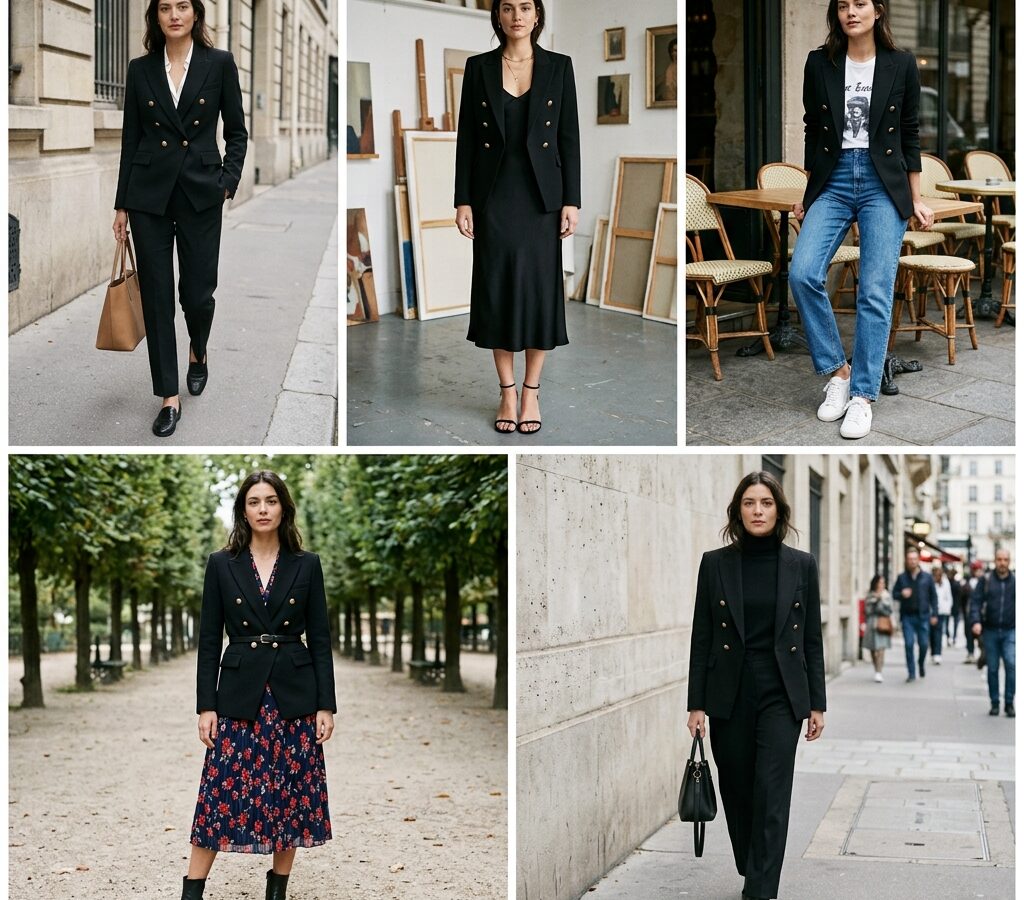
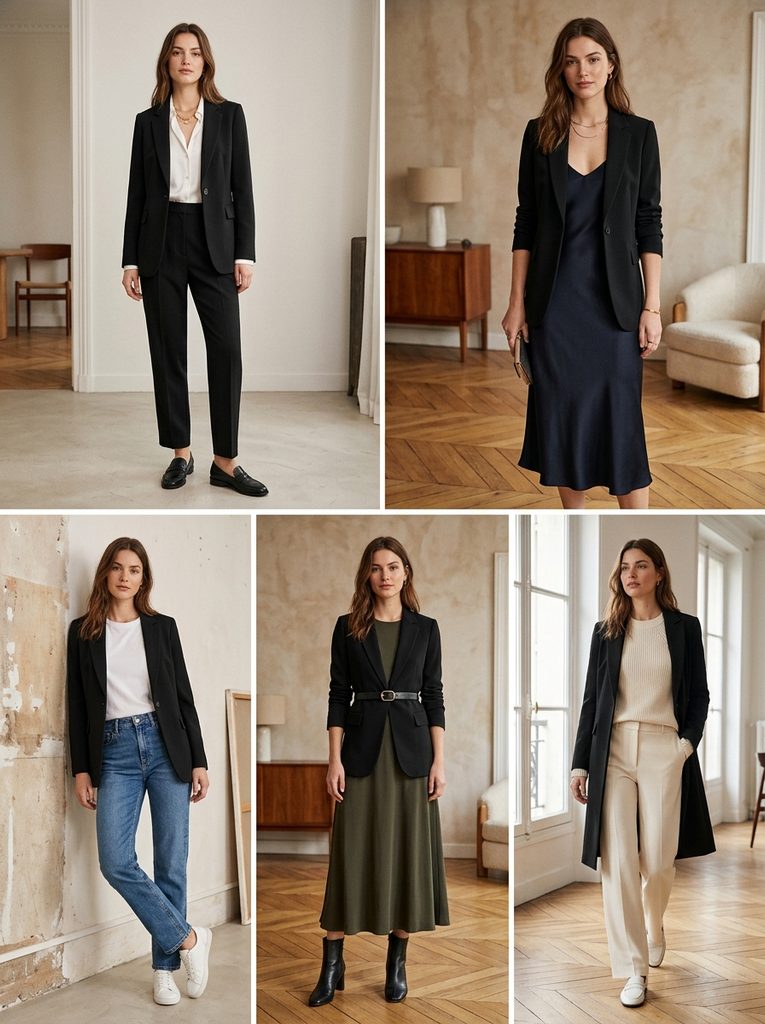
The idea that a blazer belongs exclusively to office dressing is one of the more limiting assumptions in a lot of wardrobes. The same jacket that anchors a work outfit can just as easily open up an evening look, soften a pair of jeans, or replace a coat entirely on a mild day. This guide walks through five genuinely different ways to style one blazer, along with the smaller details that shift its mood each time.
What Makes a Blazer Genuinely Versatile Before Buying One
Not every blazer can pull off five different looks equally well, and it helps to know what to look for before assuming a specific jacket will stretch this far.
A single-breasted blazer in a mid-weight fabric, wool, a wool blend, or a structured cotton, tends to move between casual and formal settings more easily than a heavily embellished or highly seasonal fabric like linen or velvet. Neutral colors, black, camel, grey, and navy in particular, outperform trend colors here, since a neutral blazer pairs with nearly anything already in a closet rather than requiring a coordinated outfit built specifically around it.
Fit matters just as much as color. A blazer cut with enough structure to hold its shape when worn open, but not so boxy that it looks stiff buttoned closed, tends to adapt to more styling directions than one designed with only a single silhouette in mind.
Five Ways to Style the Same Blazer
1. Structured and Buttoned With Tailored Trousers
The most familiar version of blazer styling pairs it buttoned over tailored trousers and a simple top, creating the clean, put-together silhouette most people associate with office dressing. This look relies on the blazer’s structure doing most of the visual work, so a crisp, well-pressed jacket matters more here than in any of the other four looks.
Keeping the rest of the outfit simple, a fitted top in a solid color, minimal jewelry, low or mid-height heels, lets the blazer’s tailoring stay the focal point rather than competing with additional pattern or texture.

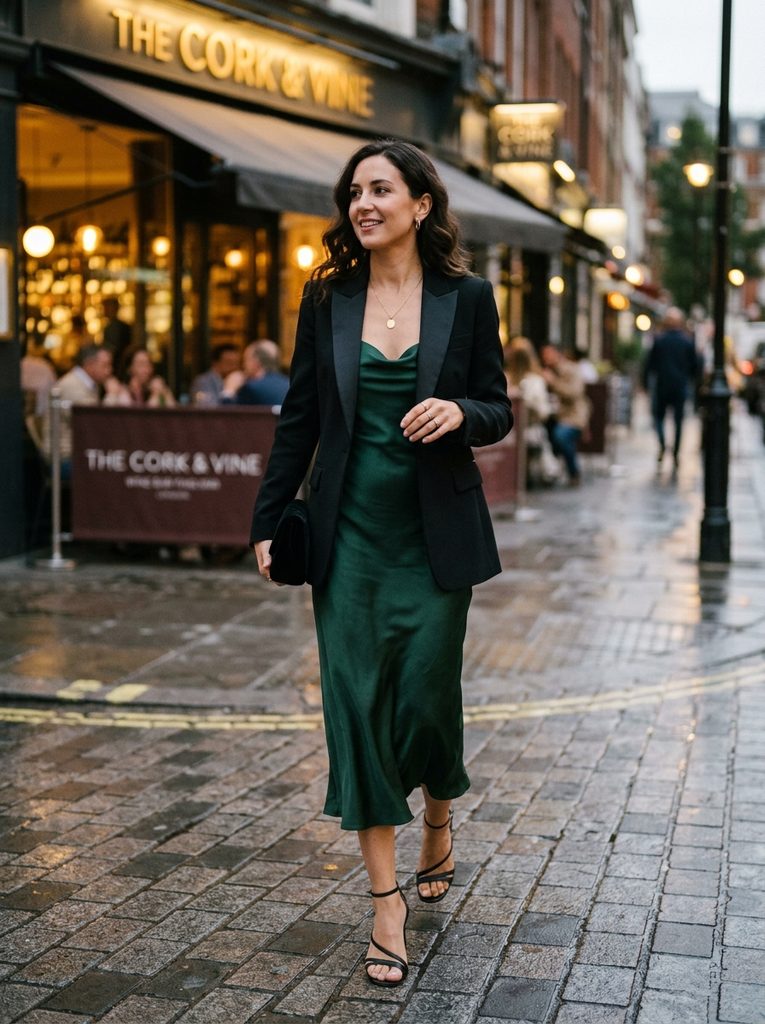
2. Layered Over a Slip Dress for Evening
Draping the same blazer over a slip dress transforms it into an evening piece almost instantly, particularly when the dress introduces a fabric contrast, silk or satin against the blazer’s more structured wool or cotton. Left unbuttoned and slightly oversized in proportion to the dress underneath, the blazer adds structure to an otherwise soft, fluid silhouette without covering up the dress entirely.
This combination works particularly well for events that fall between casual and formal, a dinner, a gallery opening, or a slightly dressed-up work function, where a full gown would feel like too much but a dress alone might feel underdressed.
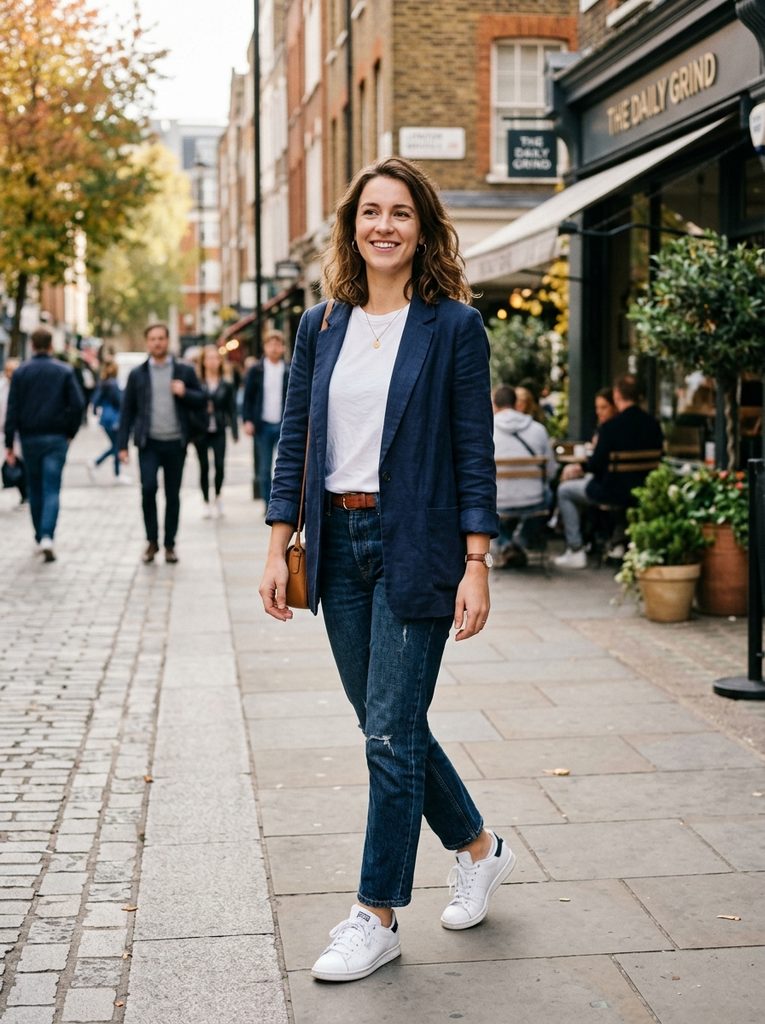
3. Thrown Over a T-Shirt and Denim for Weekend
A blazer worn open over a plain t-shirt and jeans takes the most casual pairing on this list and gives it enough structure to look intentional rather than thrown together. The contrast between a relaxed t-shirt and the blazer’s tailored shoulders and lapels is what makes this combination work, rather than something that would happen naturally from either piece alone.
Rolling the blazer’s sleeves slightly, a detail that would look out of place with the buttoned office version, reinforces the casual mood of this pairing and keeps the overall look from reading as an incomplete office outfit.
4. Belted Over a Simple Dress for Definition
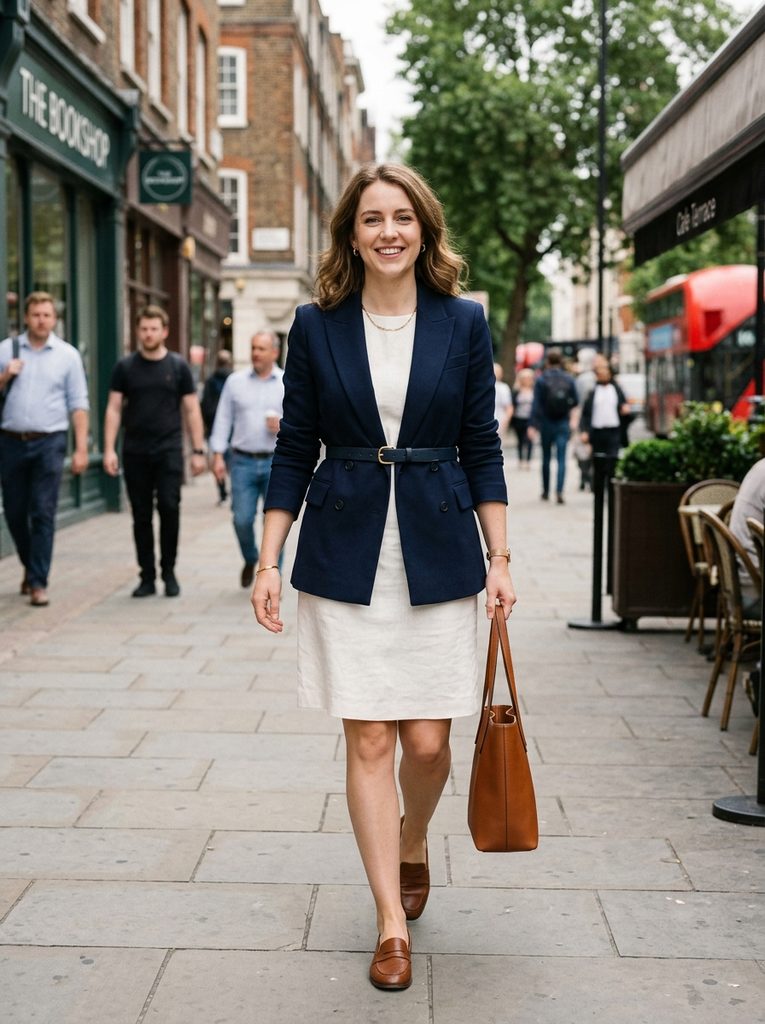
Adding a thin belt over a blazer worn on top of a simple, unstructured dress introduces waist definition that neither the dress nor the blazer creates on its own. This works particularly well with a shift dress or a straight, column silhouette dress that otherwise reads as fairly shapeless, since the belt and blazer combination adds a defined middle without requiring a differently cut dress altogether.
This styling direction tends to photograph well for daytime events, especially when the belt color coordinates with shoes or a bag rather than matching the blazer or dress exactly, since a slight contrast keeps the belt from disappearing visually into the rest of the outfit.
5. Worn Open Over a Full Monochrome Look Like a Coat
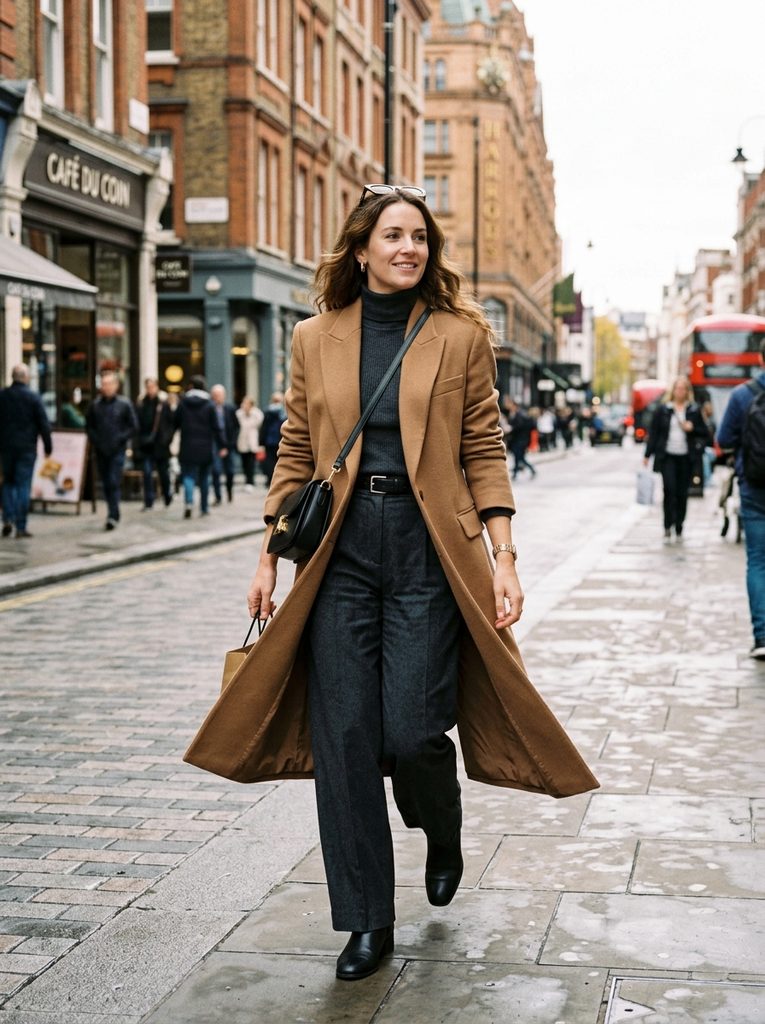
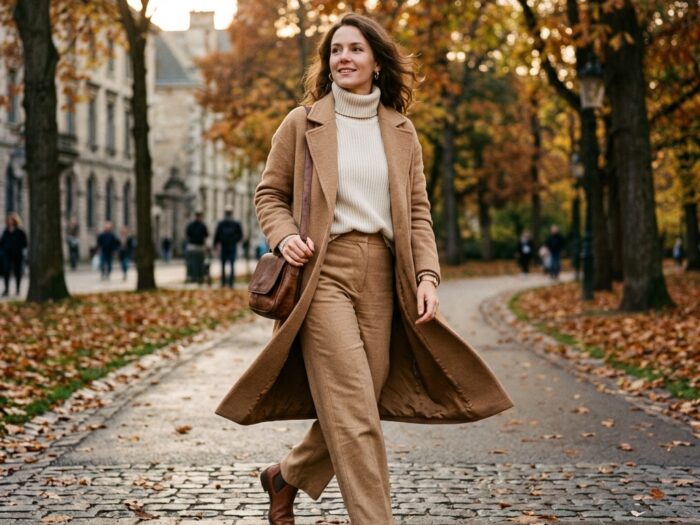
On a mild day, a structured blazer can stand in for a light coat, worn open over a full outfit built in a single tonal color family. This works best with a blazer in a slightly heavier fabric and a longer length, since a very short, lightweight blazer can look undersized when asked to carry an entire outfit the way a coat would.
The monochrome base underneath matters here more than in any other look on this list, since a single-color foundation lets the blazer read as an intentional outer layer rather than an accessory competing with a busier outfit underneath.
Changing the Mood Without Changing the Blazer
Beyond the base outfit built around the blazer, a handful of smaller details do a surprising amount of work shifting the overall mood from one look to the next.
Footwear
Low heels or loafers keep a look grounded in office or daytime territory, while a strappy heel shifts the same blazer combination toward evening almost instantly. Sneakers, particularly a clean, minimal style, reinforce the casual weekend pairing without undercutting the blazer’s structure the way a bulkier athletic shoe might.
Jewelry and Metal Tones
Minimal, fine jewelry supports the tailored office look, while a slightly bolder earring or a stack of rings shifts the same blazer toward evening without changing a single piece of clothing. Keeping jewelry metal tone consistent with the rest of an outfit, gold with warm neutrals, silver with cooler ones, applies here the same way it does throughout the rest of a wardrobe.
What’s Underneath
The layer worn underneath the blazer changes its formality level more than almost any other single choice. A crisp button-down reads as the most formal option, a silk camisole shifts toward evening, a plain t-shirt pulls the whole look casual, and nothing at all, worn with the blazer buttoned low or left slightly open, reads as the most fashion-forward version of the five.
Fabric and Fit Considerations That Support All Five Looks
A blazer’s ability to move between these five directions depends heavily on fabric weight and structure holding up across different styling choices.
A fabric with enough body to hold its shape when worn open, rather than collapsing into soft folds, supports the coat-like styling in look five and the layered evening styling in look two more convincingly than a very soft, unstructured blazer would. At the same time, a fabric that is not so stiff that it looks purely formal keeps the casual denim pairing in look three from reading as mismatched.
Shoulder structure plays a similar dual role. A moderately structured shoulder holds a tailored silhouette for office wear while still looking intentional when the blazer is worn open and slightly oversized over a dress. A completely unstructured, soft shoulder can look slightly deflated in the more formal versions of these looks, while an overly padded, sharp shoulder can look too severe paired with something as relaxed as a plain t-shirt and jeans.
Common Mistakes That Limit a Blazer’s Versatility
A handful of choices tend to box a blazer into a single use case, even when the jacket itself is genuinely capable of more.
- Buying a blazer only in a bold, trend-driven color. A neutral blazer moves between these five looks far more easily than one chosen for a single, memorable outfit.
- Choosing a blazer that only fits well buttoned. If a jacket only looks intentional closed, it limits at least three of the five styling directions covered here, all of which rely on wearing it open.
- Ignoring proportion when sizing. A blazer sized only for a slim, fitted silhouette rarely works as a coat-replacement layer, while one sized only for an oversized, relaxed look can appear sloppy buttoned over tailored trousers.
- Treating the blazer as a finished outfit on its own. Much of what makes these five looks feel distinct comes from what is worn underneath and alongside the blazer, not the jacket in isolation.
- Overlooking fabric weight relative to climate. A blazer too lightweight to function as an outer layer limits look five specifically, while one too heavy for warmer months limits how often the jacket gets worn at all.
Building a Small Blazer Wardrobe Instead of One-Off Pieces
A single, well-chosen blazer covers more ground than most people expect, but a small wardrobe of two or three, each with a slightly different fabric weight or neutral shade, tends to stretch even further across a full year of dressing.
A structured neutral blazer in a mid-weight wool covers the widest range of the five looks described here and is worth prioritizing first. From there, a slightly lighter, more relaxed blazer in a warm neutral like camel extends the casual and coat-replacement directions particularly well for milder weather, while a third option in black or navy covers evening styling without competing with the more versatile neutral piece.
Applying the same undertone thinking covered in the guide to neutral color combinations helps keep a small blazer collection cohesive with the rest of a wardrobe, rather than introducing a jacket that clashes quietly with everything else already owned. For anyone building this kind of small, high-function wardrobe more broadly, the fall capsule wardrobe guide applies the same logic across a full seasonal rotation, and the office outfit formulas guide covers how a small set of coordinated pieces, blazers included, can stretch across a full work week without repeating the same look twice.
A blazer is rarely the limiting factor in how many outfits it can produce. The limiting factor is usually a wardrobe built around treating it as a single-purpose piece rather than the flexible foundation it is actually capable of being. Once the five directions above become familiar, a single well-chosen jacket tends to earn its place in far more outfits than most people initially expect from it.

Ella is a fashion and beauty writer who shares inspiring ideas about hairstyles, nail designs, wedding outfits, and seasonal fashion trends. She loves discovering fresh styles and creating…
View Author Profile →
2 Comments