
On this page
- Why Early Fall Feels Harder to Dress For
- The Layering Logic Behind Early Fall Looks
- Fabrics That Handle Two Temperatures in One Day
- Color Choices for the In-Between Season
- Daytime Outfit Formulas for Warm Afternoons
- Evening Outfit Formulas for Cooler Nights
- Footwear That Works Across the Temperature Swing
- Accessories That Do More Than Decorate
- Reading the Day Before Getting Dressed
- Common Mistakes in Early Fall Dressing
- A Simple Early Fall Capsule to Build From
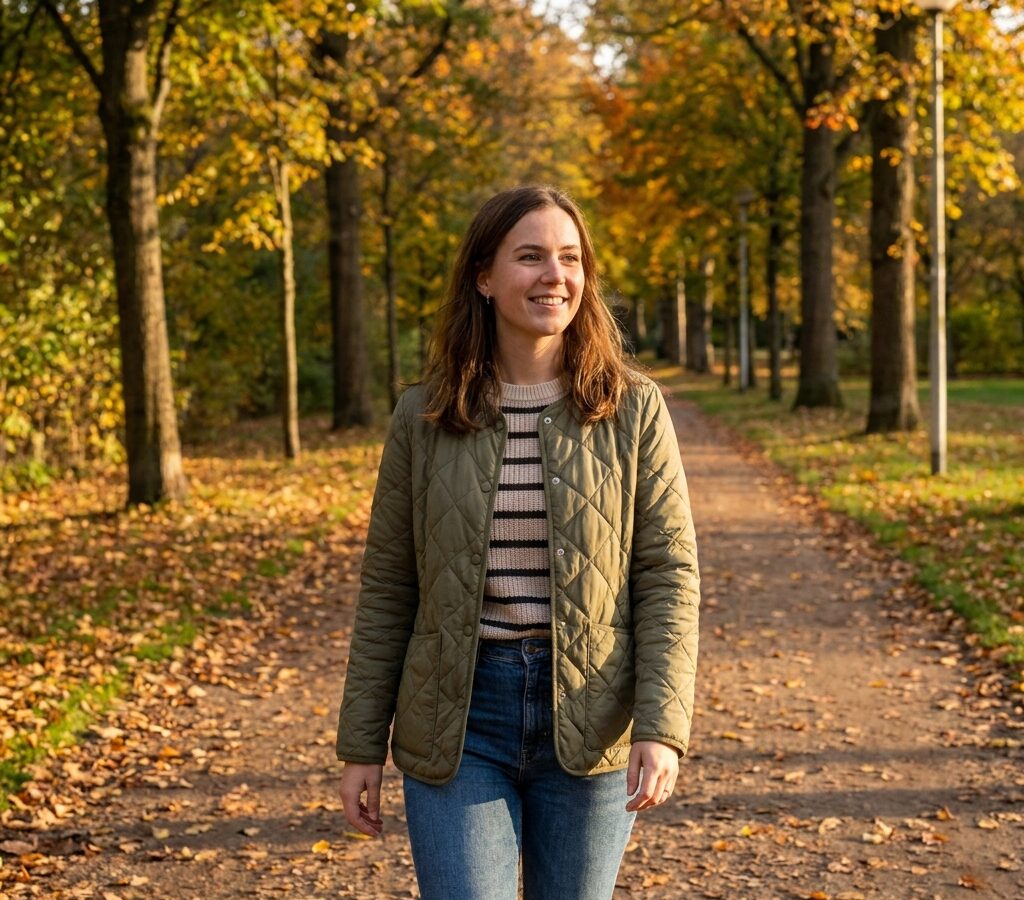
September and October rarely settle on one temperature. A midday errand might call for sandals and bare arms, while the same evening has you reaching for a jacket at the bus stop. That gap between afternoon warmth and evening chill is the real puzzle of early fall dressing, and it’s also what makes this stretch of the year more interesting to get dressed for than either full summer or full winter.
The trick isn’t buying a whole new set of clothes the moment the calendar flips. It’s learning to build outfits that can stretch across a ten or fifteen degree swing without falling apart. Below are practical ways to work with that swing, from fabric choices to full outfit formulas for both ends of the day.
Why Early Fall Feels Harder to Dress For
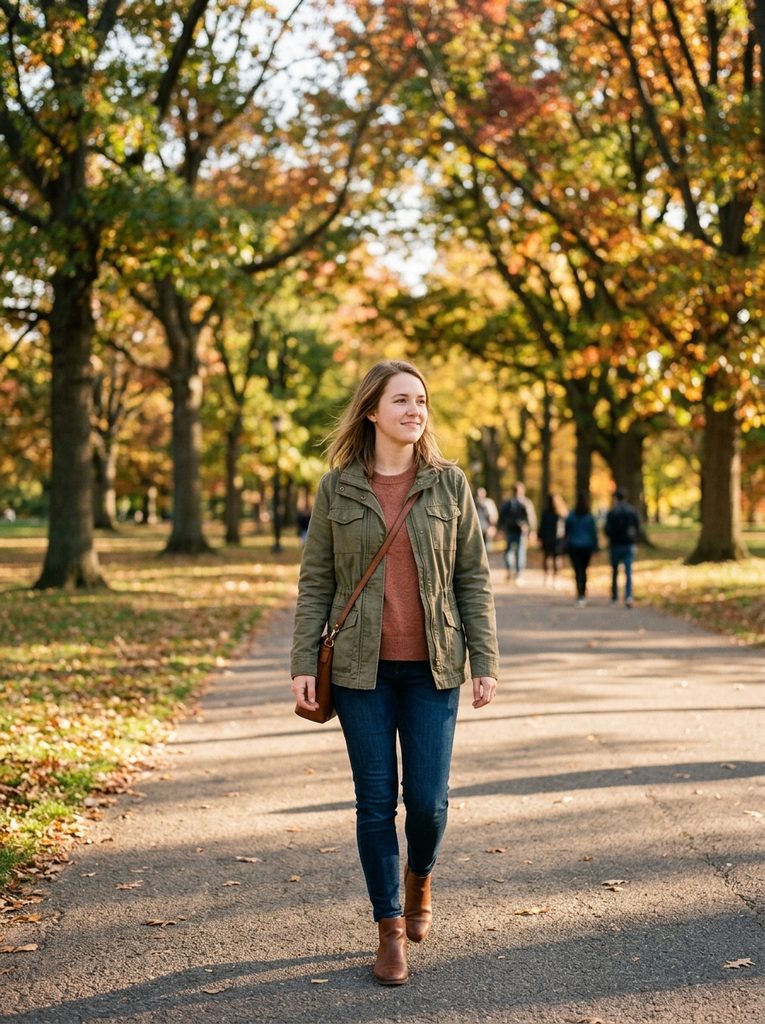
Summer clothes stop making sense the moment the sun goes down, but it’s too soon to pull out heavy coats and thick sweaters. Most closets are built for one season at a time, which leaves a gap right in the middle where nothing quite fits the day.
This gap is also uneven depending on where someone lives. Coastal areas often keep warm afternoons well into October, while inland regions can drop sharply once the sun sets. Even within the same city, a shaded street can feel noticeably cooler than an open, sunny one at the same hour.
That inconsistency is exactly why a single “fall outfit” rarely works for the whole day. The fix isn’t a new wardrobe. It’s a shift in how pieces get combined, so the same outfit can lose or gain a layer depending on the hour, without needing to be rebuilt from the ground up every time the weather shifts.
The Layering Logic Behind Early Fall Looks
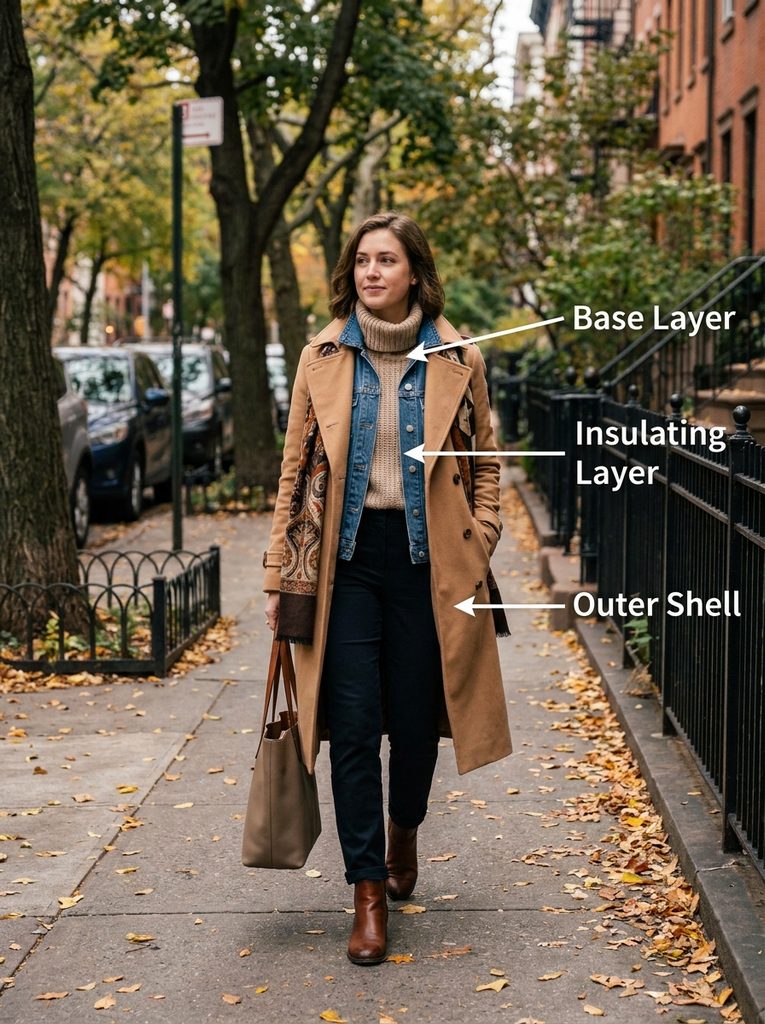
Good layering for this season isn’t about piling on clothes. It’s about choosing pieces that can be added or removed in under a minute without changing the whole outfit.
A breathable base
A thin cotton tee, a fine-gauge knit, or a lightweight button-down works alone in the sun and still sits comfortably under something heavier later. The key is choosing a base layer that doesn’t feel bulky once something else goes over it. Anything too thick at this stage limits what can be layered on top without looking overstuffed.
A middle piece that’s optional
A light cardigan, an overshirt, or a thin quarter-zip should be easy to tie around the waist or stuff into a bag when it’s not needed. This middle layer is the one most people skip, but it’s often the piece that saves an outfit once the temperature drops mid-afternoon. It doesn’t need to be heavy. It just needs to exist somewhere within reach.
An outer layer that packs down small
A packable jacket or a denim trucker takes up little space and can be the only thing standing between comfort and a cold walk home. This is worth carrying even on days that start warm, since early fall evenings can drop faster than expected once the sun is gone.
The goal is a stack of three pieces where any one can disappear without leaving the outfit looking unfinished. An outfit that only works with all three layers on isn’t really built for this season. One that still looks complete with just the base and one added piece is doing its job.
Fabrics That Handle Two Temperatures in One Day
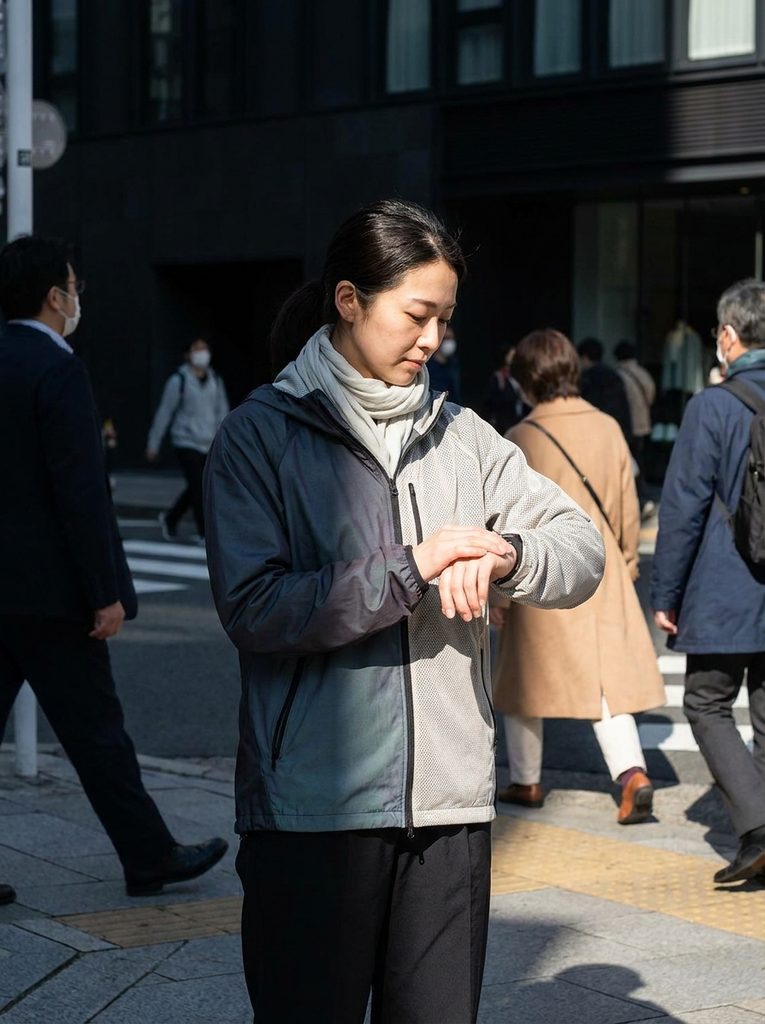
Some materials simply cross the afternoon-to-evening gap better than others. Fabric choice often matters more than the actual cut or color of a piece when it comes to comfort across a full day.
- Cotton poplin breathes in heat and still holds a crease when the air cools, making it a reliable choice for shirts worn on their own or under something else
- Lightweight denim works as a jacket in the morning and a layer in the evening, without the bulk of heavier winter denim
- Linen-cotton blends avoid the wrinkling of pure linen while staying airy, which makes them more forgiving for a full day out
- Fine merino or cotton knits trap a little warmth without feeling heavy, so they can be worn under a jacket or on their own depending on the hour
- Technical shells in a thin weight cut wind without adding bulk, which matters more in early fall than actual insulation does
Thick wool, heavy fleece, and anything insulated are better saved for a few weeks later, once the daytime temperature actually needs them. Reaching for those fabrics too early usually means overheating by midday and stripping off layers that then have to be carried around for the rest of the outing.
Color Choices for the In-Between Season
Early fall sits between two color moods, which is exactly why muted, adaptable tones tend to work better than either bright summer shades or deep winter ones.
Warm neutrals like camel, olive, rust, and soft brown carry a seasonal feel without looking heavy in daylight. These tones photograph well in both bright afternoon sun and the dimmer light of early evening, which is part of why they read as more versatile than sharper, colder tones.
Deep blues and greens read as transitional rather than wintery, especially in lighter fabrics. A washed navy or a muted forest green in cotton or linen still feels appropriate on a warm day, unlike the same color in heavy wool.
A few of these tones repeated across separate pieces make it easy to mix and match without much planning. Building a small color story, rather than treating every piece as a standalone choice, cuts down on the guesswork of putting an outfit together each morning.
Daytime Outfit Formulas for Warm Afternoons
A few combinations that hold up once the temperature climbs:
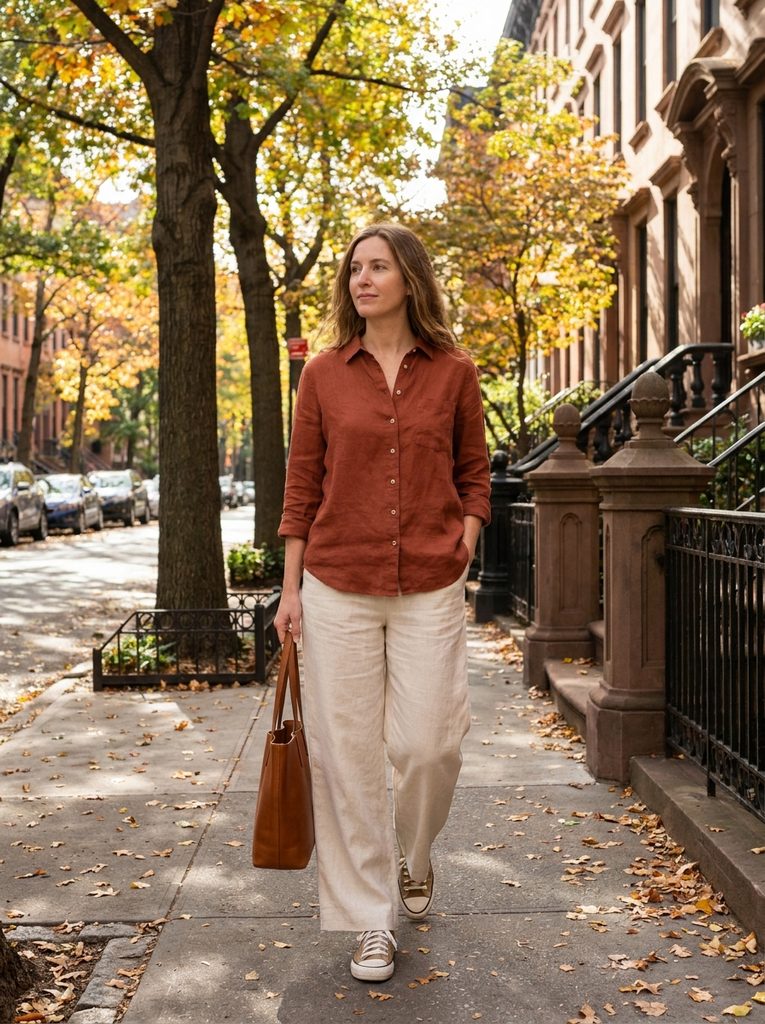
- A short-sleeve linen shirt, straight-leg trousers, and canvas sneakers
- A fitted tee, wide-leg cotton pants, and slide sandals
- A sleeveless midi dress with a thin belt and low block heels
- A polo shirt, chino shorts, and loafers with no socks
- A tank top layered under an open, unbuttoned shirt with denim shorts
- A linen jumpsuit with a straw or canvas tote and flat sandals
Each of these can absorb a light jacket later without needing to be rebuilt from scratch. The trousers, shorts, or dress at the base of each combination stay the same all day. Only the top layer or footwear shifts as the temperature does, which keeps the outfit from feeling like two completely different looks stitched together.
Evening Outfit Formulas for Cooler Nights
Once the sun drops, these versions of the same wardrobe hold up better against the chill:
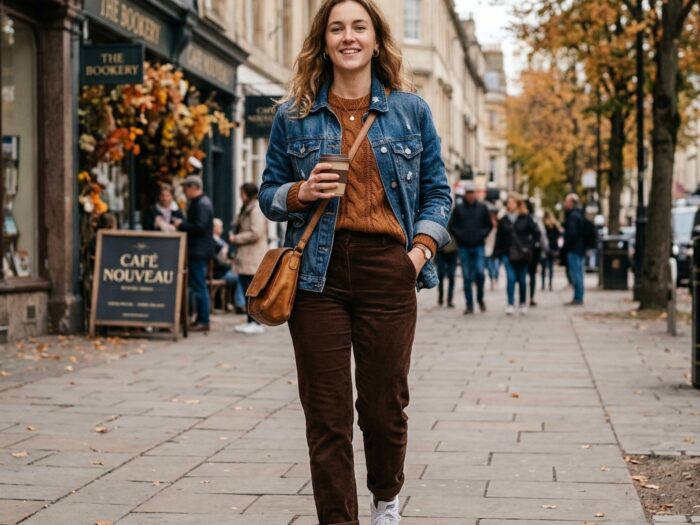
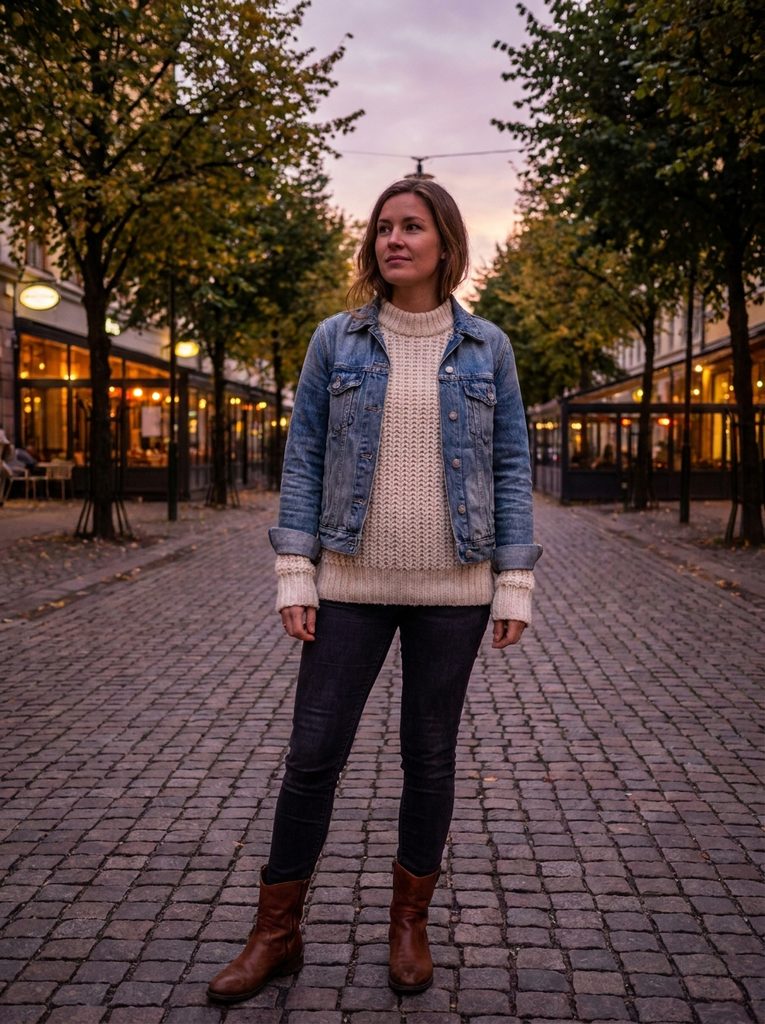
- A long-sleeve fine knit under a denim jacket, with straight jeans and boots
- A button-down shirt layered under a light wool-blend overshirt
- A midi dress paired with an oversized cardigan and ankle boots
- A crewneck sweater over a collared shirt, worn with chinos
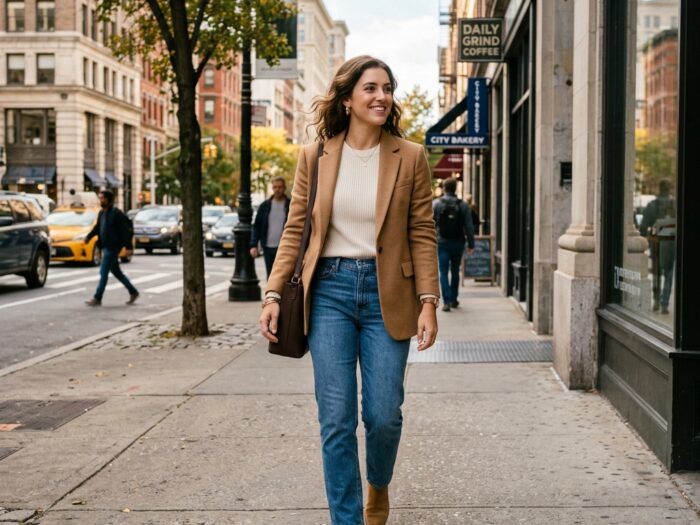
- A leather or suede jacket over a plain tee, with dark denim
- A wrap sweater over a slip dress, finished with tights and flats
Notice that most of these reuse the same base pieces from the daytime list, just with an added or swapped layer. A midi dress from the afternoon list becomes an evening outfit with nothing more than a cardigan and a shoe change, which is a far more practical approach than treating day and night as two separate wardrobes.
Footwear That Works Across the Temperature Swing
Shoes rarely get the same attention as clothing during seasonal changes, but they matter just as much for comfort, especially on days that start warm and end cold.
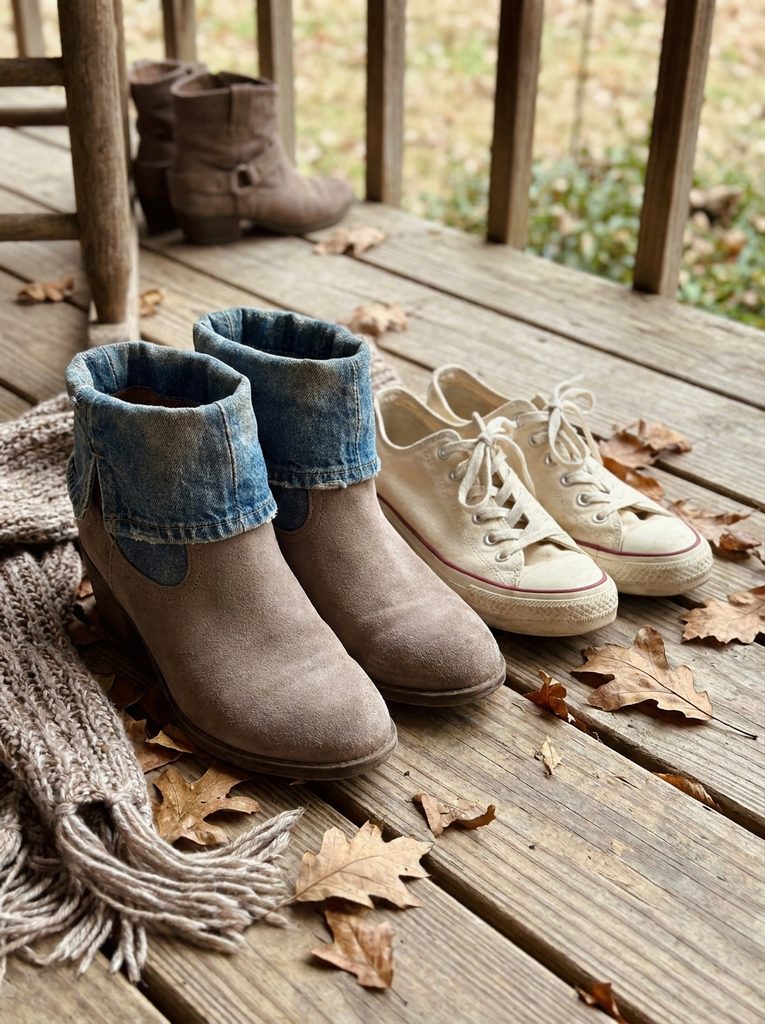
Canvas sneakers and loafers handle warm afternoons without trapping heat. Suede or leather ankle boots pick up where sandals stop being practical once evenings turn cool. A pair of low-top leather sneakers sits comfortably in between, working for both parts of the day without looking mismatched to either.
Socks are the simplest adjustment here. No-show socks in the day, slightly thicker ones by evening, without changing the shoes at all. For anyone walking long distances, keeping a thin pair of socks in a bag is a small habit that solves a lot of end-of-day discomfort.
Sandals can still work on the warmest early fall afternoons, but they’re worth pairing with a bag large enough to carry a backup shoe if evening plans stretch later than expected.
Accessories That Do More Than Decorate
Small additions often solve the temperature problem faster than swapping entire outfits.
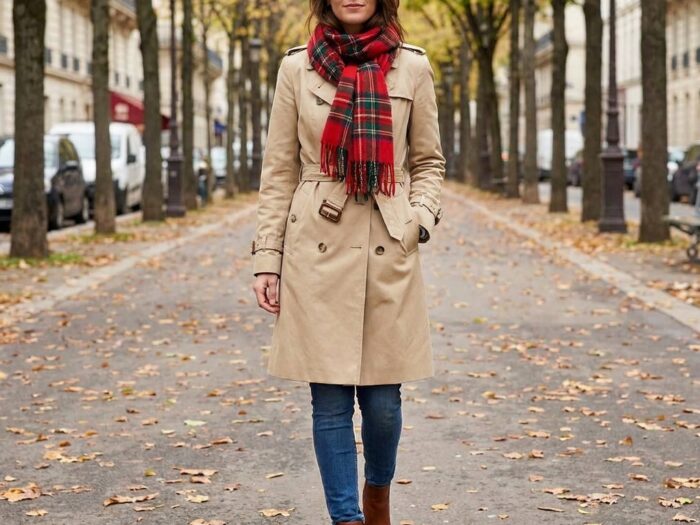
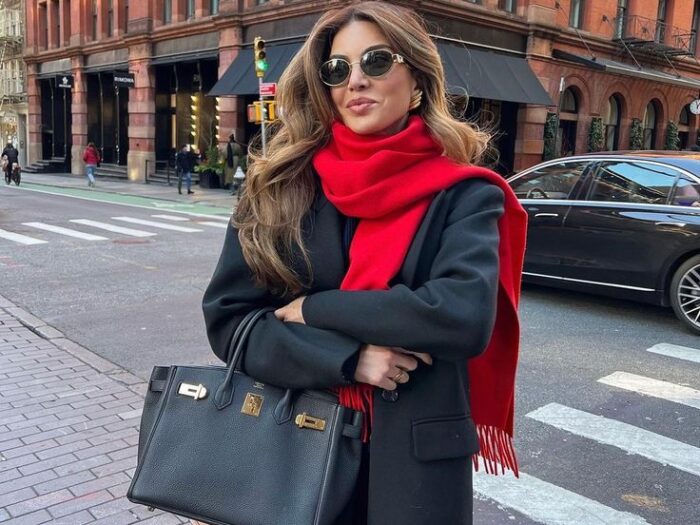
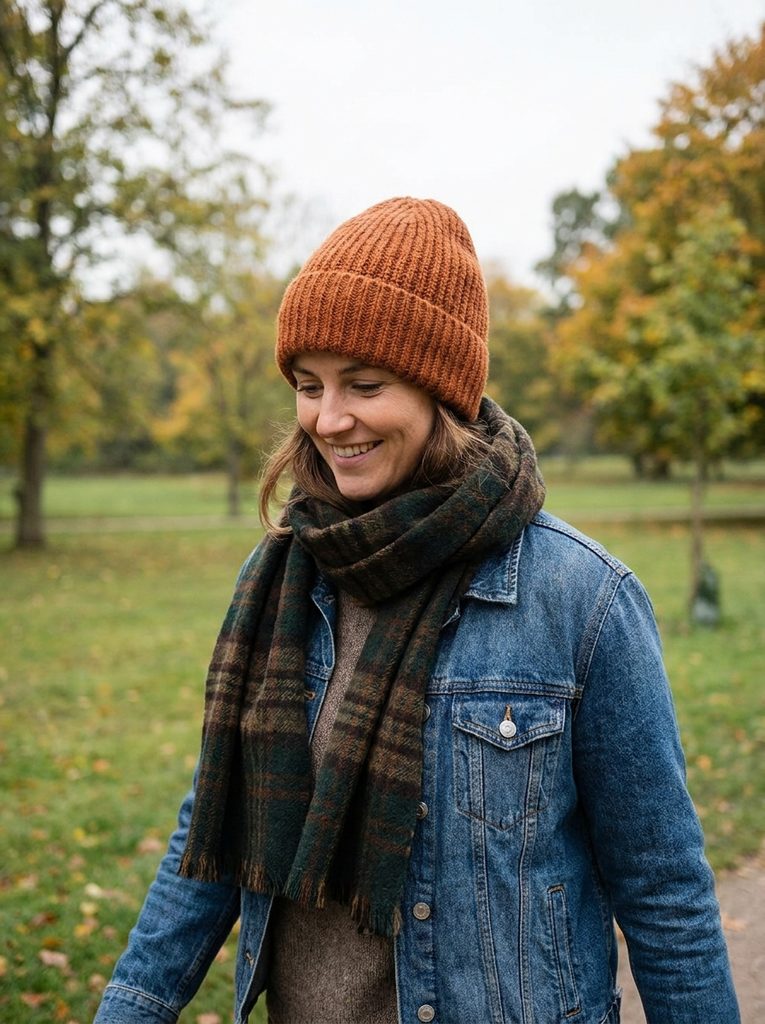
- A lightweight scarf can be worn loose in the afternoon and wrapped closer by evening
- Sunglasses in the day can be swapped for a light beanie once it cools
- A crossbody bag leaves both hands free to carry a jacket when it’s not needed
- A belt bag works well for short outings where a full jacket feels like overkill
- A structured tote can double as extra storage for a layer that isn’t needed yet
None of these require planning around the weather forecast. They just give an outfit room to adjust as the day moves along. A scarf in particular tends to be underused in early fall, since it works as both a warmth layer and a way to add color or texture without changing the rest of the outfit.
Reading the Day Before Getting Dressed
A quick check of the forecast in the morning goes further than most people expect. Early fall temperatures can swing widely between the coldest point overnight and the warmest point in the afternoon, so a single number for “today’s high” doesn’t tell the whole story.
Looking at both the morning low and the afternoon high, rather than just one average figure, makes it easier to decide how many layers to actually carry. A ten degree gap between the two suggests packing one extra layer. A twenty degree gap usually calls for two.
Wind and humidity matter almost as much as temperature. A breezy, dry afternoon can feel cooler than the number suggests, while a humid one can feel warmer. Adjusting fabric weight slightly for these conditions, rather than relying on temperature alone, tends to make the outfit feel more comfortable by the end of the day.
Common Mistakes in Early Fall Dressing
A few patterns tend to make outfits feel off during this stretch of the year:
- Wearing heavy fabrics too early just because the calendar says fall
- Packing away every warm-weather piece before the daytime heat has actually dropped
- Choosing one outfit for the whole day instead of building in a layer to adjust
- Ignoring footwear and wearing thick boots on a warm afternoon
- Sticking to a single color palette that only suits one part of the day
- Leaving the house without any way to carry a layer that gets removed later
Most of these come from treating the season as a fixed date rather than a stretch of unpredictable weather. Early fall dressing works best when it responds to the actual conditions of the day rather than a general idea of what the season is supposed to feel like.
A Simple Early Fall Capsule to Build From
A small set of pieces can cover most of what’s needed without overcomplicating the closet:
- Two lightweight button-down shirts
- One fine-knit sweater
- One denim or suede jacket
- One pair of straight-leg jeans
- One pair of lightweight trousers
- One versatile dress or skirt
- One pair of sneakers
- One pair of ankle boots
- One scarf and one beanie
- One crossbody bag or structured tote
With these ten or eleven pieces, most daytime-to-evening outfit combinations from this list can be built without needing anything extra. The point of a capsule like this isn’t to limit variety. It’s to make sure every piece in it can be combined with several others, so getting dressed doesn’t depend on having one specific item clean and available.
Adding one or two statement pieces on top of this base, whether that’s a bolder print dress or a distinctive jacket, gives room for personal style without complicating the core system.
Early fall doesn’t need a whole new wardrobe. It mostly needs a slightly different way of using the one already there, with a few small pieces set aside for whichever hour the day happens to be in. Once the layering habit becomes automatic, the temperature swing stops being something to plan around and just becomes part of getting dressed.
For general reference on how autumn weather patterns tend to shift by region, the Old Farmer’s Almanac publishes seasonal outlooks each year, and the Council of Fashion Designers of America offers broader context on seasonal fashion trends.

Ella is a fashion and beauty writer who shares inspiring ideas about hairstyles, nail designs, wedding outfits, and seasonal fashion trends. She loves discovering fresh styles and creating…
View Author Profile →