
On this page
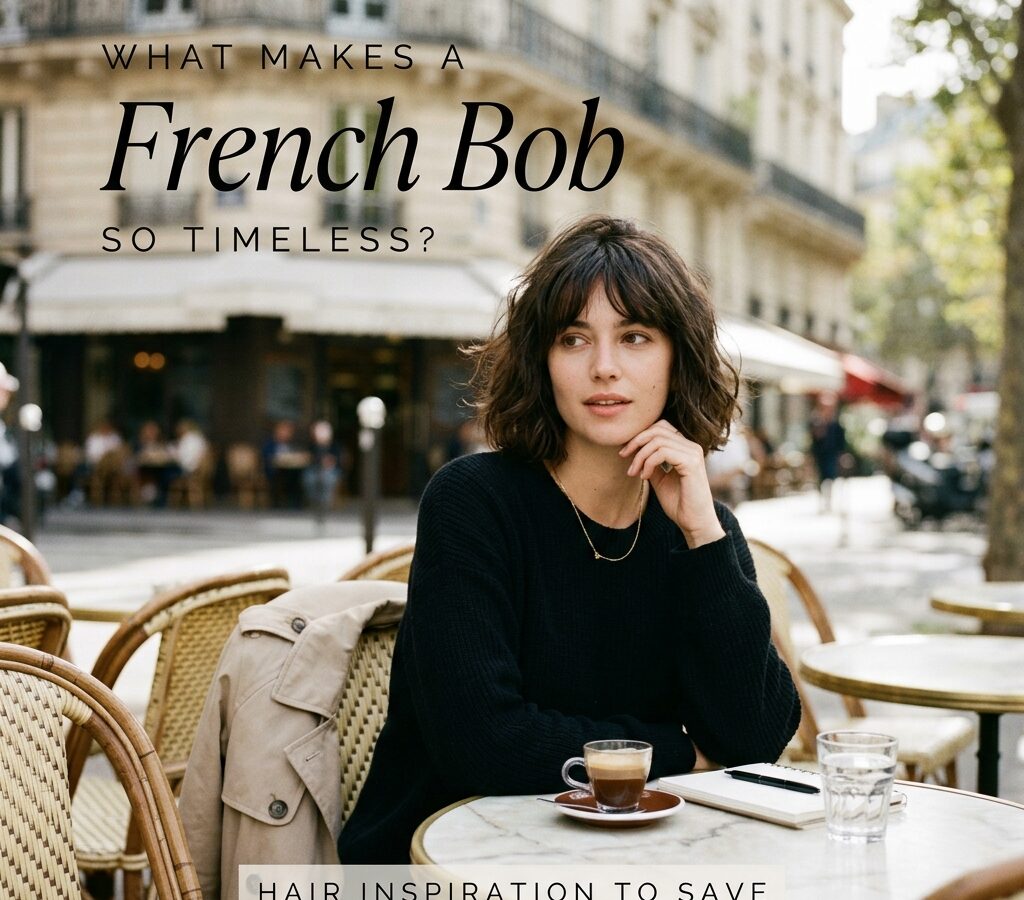
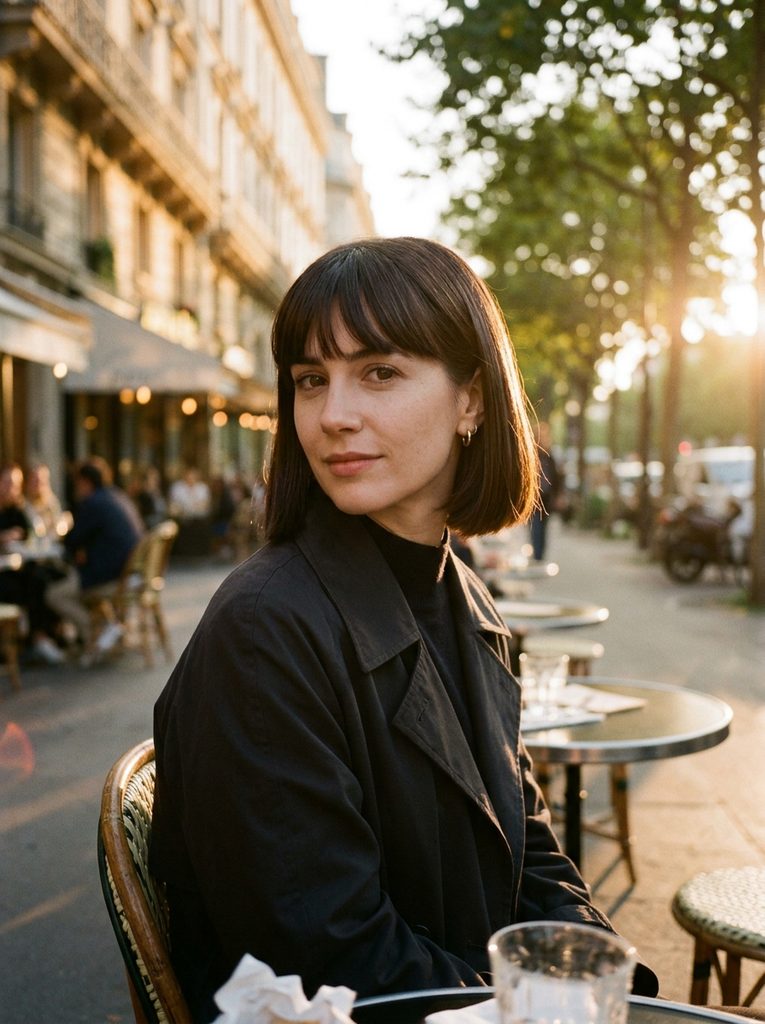
Some haircuts follow every seasonal trend report, while others stay in rotation for decades. The French bob belongs to the second group. It shows up in fashion editorials, on celebrities, and on everyday women who want something simple to wear. The shape is easy to describe: a chin-length bob, usually blunt or softly textured at the ends, with a fringe across the brow. Nothing about it is dramatic, yet it still looks deliberate.
That combination is the secret. This guide covers where the cut came from, why its basic proportions keep working, how it differs from related bobs, and who it suits. It ends with eight looks worth saving for your next salon visit, along with tips for keeping the shape between appointments.

Where the French Bob Comes From
The bob has a long history, and the French bob sits within it. According to Wikipedia’s bob cut entry, Antoine de Paris, a Polish-born hairdresser working in Paris, started a fashion for the short bob and became one of the first celebrity hairdressers. The cut then spread widely in the 1920s, when it became a visible sign of a new independence. Smithsonian’s history of the flapper notes that the bob entered public view in 1915, when a ballroom dancer cut her hair short for practical reasons, and that short hair soon signaled a break from tradition.
The name “French bob” is more recent and less precisely documented than the cut’s history. What the name captures is an attitude: polished but not precious, neat without looking overworked. That attitude explains why the cut feels at home in Paris and in almost any other city.
Why the Shape Keeps Working
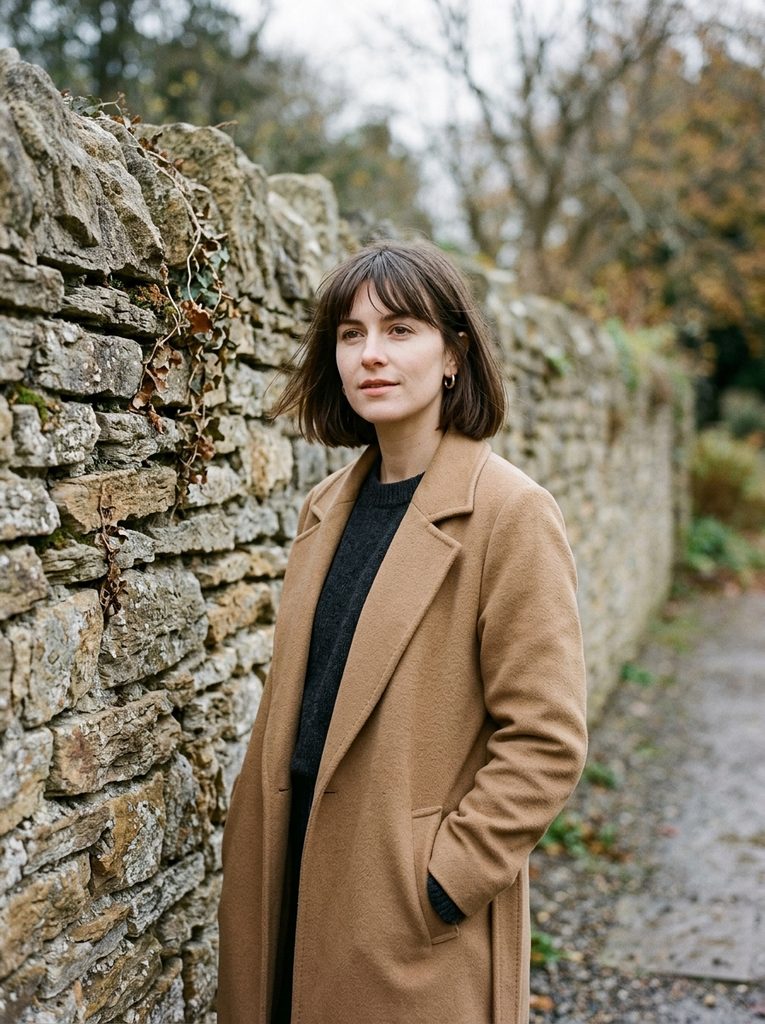
Timeless cuts tend to share a few traits, and the French bob has all of them. It has one clear length, so the outline stays easy to read. It relies on a blunt or nearly blunt perimeter instead of heavy layering. The fringe, usually placed across or just above the brows, frames the face and makes the whole look feel intentional rather than accidental.
Its simplicity is also practical. Because the cut doesn’t depend on many layers, a stylist can adjust it for different hair textures with small changes. Thick hair can be lightened inside, straight hair can be softened with a little texture, and wavy hair can keep its natural movement. The cut adapts instead of forcing hair into one template, which helps explain why it stays relevant from one decade to the next.
French Bob Versus Its Close Relatives
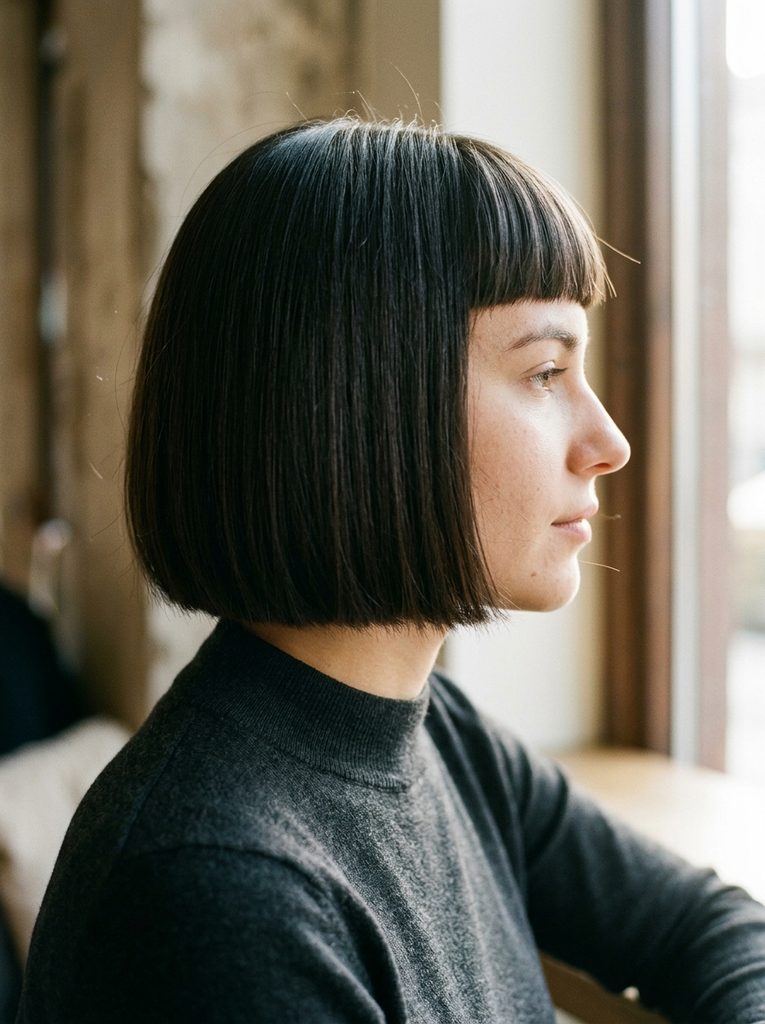
Several bob styles look similar in photos, so it helps to know how they differ. A classic bob usually has a more structured shape and sits closer to the jaw with a neat, even outline. A lob, or long bob, falls near the collarbone and is often worn with little or no fringe. The French bob sits higher than a lob, is usually shorter at the front, and is almost always paired with bangs.
The Italian bob is the most common comparison. It usually sits longer and focuses on soft waves and a bouncy finish. Stylist Nick Arrojo, quoted in AOL’s guide to bob haircuts, describes the Italian version as a cut built around loose, bouncy texture. The French bob, by contrast, is cut to look more minimal and undone, even when it is styled carefully.
If you want something even shorter, the pixie sits at the far end of the spectrum. Pixie cut variations for thick and curly hair shows how that shape changes depending on texture, which is useful if you’re trying to decide how short to go.

Who the French Bob Suits
The French bob is often recommended for oval and heart-shaped faces because its fringe and length can balance the features without drawing too much attention to one area. Salon guides repeat this advice often, but treat it as a starting point rather than a rule. Your hairline, the shape of your forehead, and how you usually part your hair will change how a fringe looks on you.
Hair texture often matters more than face shape. Stylist Clara Purvis, quoted in AOL’s guide to bob haircuts for thick hair, explains that a French bob with choppy bangs can work well on thicker hair because it enhances a wispy, roughly styled look. Finer hair can wear the same shape with a bit more planning. A softer fringe and slightly textured ends tend to look fuller than a heavy, blunt line, which can show every strand.
Curly hair needs its own approach. Because curls shrink as they dry, a cut done on wet hair can end up shorter than expected. Many stylists prefer to cut curly bobs dry for this reason. For a broader look at short cuts on finer hair, see bob haircuts for fine, flat hair.

Asking Your Stylist for the Right Cut
A clear request makes the difference between a French bob that looks effortless and one that looks like a different cut entirely. Describe the feel you want along with the length. Useful phrases include chin-length, blunt ends with a little softness, a fringe that sits just above the brows, and minimal layers. If you want a sleeker finish, say so. If you want it looser and more relaxed, say that instead.
Bring photos that show the back as well as the front. The shape of the nape changes how the cut sits. A tapered nape looks lighter, while a fuller one keeps the bob more solid. Mention how you usually style your hair too. A cut that looks perfect after a blowout can behave differently on a day you air dry.
Ask your stylist to check the fringe after drying. Bangs often look longer when wet, and a fringe cut too short is hard to grow out. A helpful question is how the bangs will sit once they dry, and how often they will need trimming.
Eight French Bob Looks to Save
These eight versions show how far the cut can stretch. Each uses the same core idea of a chin-length bob with a fringe, adjusted for texture and mood.
1. The Classic Blunt Bob
This is the most traditional version. The ends are cut straight across, the fringe is clean and sits just above the brows, and the finish is sleek. A blow dry with a round brush gives it a polished shape. It suits people who want a neat, timeless look that works for work and events alike.
2. The Tousled Everyday Bob
Here the cut is left to dry with a little texture. A light sea salt spray or texturizing product helps the ends separate, and the fringe is allowed to fall a bit off-center. This version feels relaxed and works well on days when you want minimal effort.
3. The Curtain Fringe Bob
The fringe is parted in the center and sweeps to each side, softening the forehead and framing the cheekbones. Ask for the fringe to be slightly longer than the classic version, since it blends into the rest of the cut more easily that way.
4. The Wavy French Bob
Gentle internal texture lets waves hold their shape without becoming heavy. A diffuser or a large barrel curling iron can define the waves, and the bob’s clean outline keeps them looking intentional. This is a good option if your hair is naturally wavy and you want less time at the styling station.
5. The Asymmetric French Bob
One side sits slightly longer and angles toward the jaw, which adds movement and a more modern edge. The angle is usually cut at the front, so it frames the face. This version suits people who want a bob with a bit more personality.
6. The Wispy Fine-Hair Bob
For finer hair, a wispy fringe and subtle internal texture create the look of fullness. Lift at the root with a round brush helps the cut sit with more volume. This is one of the most practical adaptations of the French bob for thin or flat hair.
7. The Curly French Bob
Curly hair can carry this cut beautifully when it is cut to respect the curl pattern. The fringe is often shorter, and the outline follows the natural shape of the curls. A leave-in product and air drying usually keep the curls defined.
8. The Sleek Evening Bob
For a dressier look, the bob can be styled straight and glossy with a smoothing product and a flat iron. The same cut that reads undone during the day can look sharp and polished in the evening. Stylist Olya Iudina of IGK, cited in AOL’s bob haircut guide, notes that the cut can look slightly messy or polished depending on how it is styled.
Keeping the Shape Between Visits
Because the fringe shows growth first, it usually needs more frequent attention than the rest of the cut. Plan a quick trim for the bangs between full appointments, and keep the rest of the bob on a regular schedule so the outline stays crisp. Waiting too long can make the perimeter lose its clean line.
For daily styling, a round brush or flat iron helps the blunt ends keep their shape. If you prefer a softer finish, scrunch in a light texturizing product and let the hair dry partway. Avoid heavy products near the roots, since they can weigh down the fringe and flatten the lift at the crown.
Clean brushes and tools help too. Product buildup makes the hair look dull and can make the fringe clump, which is one of the quickest ways to lose the shape you worked to achieve.
Making the French Bob Your Own
The French bob stays appealing because it asks very little of you while still looking considered. One length, a clean perimeter, and a fringe that frames the face give it a shape that doesn’t need constant adjustment. Small changes in texture, fringe length, or finish can turn the same cut into something new.
Start with the version that fits your daily routine, bring clear photos to your appointment, and give the cut a week or two to settle. A good French bob should feel easy to live with. If it does, you have found a cut that can stay in your rotation for years.

Ella is a fashion and beauty writer who shares inspiring ideas about hairstyles, nail designs, wedding outfits, and seasonal fashion trends. She loves discovering fresh styles and creating…
View Author Profile →