
On this page
- What Cocktail Attire Actually Asks For
- The Case for a Jumpsuit
- Wide-Leg Trousers Paired With a Dressy Top
- A Well-Cut Pantsuit as a Complete Look
- Fabric Choices That Keep Separates From Reading as Office Wear
- Color and Print Choices for Non-Dress Cocktail Looks
- Footwear That Completes a Trouser-Based Outfit
- Accessorizing Separates So They Read as Cocktail, Not Business
- Common Mistakes That Make Separates Look Underdressed
- One Formula to Fall Back On
A wedding invitation that says “cocktail attire” tends to trigger the same reflex in a lot of guests: start scrolling through dresses. For anyone who simply doesn’t enjoy wearing them, whether for comfort, fit, or plain personal taste, that reflex can feel like the dress code is quietly making a decision for them. It isn’t. Cocktail attire describes a level of formality, not a specific garment, and a well-chosen pair of trousers or a jumpsuit can meet that bar just as completely as any dress on the rack.
This guide is built entirely around that idea. No dresses, no substitutions framed as “the next best thing.” Just a real look at how to build a cocktail-appropriate outfit around trousers, jumpsuits, and tailored separates, along with the details that keep them from sliding into office-wear territory once they land on the dance floor.
What Cocktail Attire Actually Asks For
Cocktail attire sits in a specific formality range, dressier than business casual and a step below black tie, and it’s worth understanding that range before worrying about which garment fills it. The dress code calls for polish, intentional fabric choices, and an outfit that would look at home at an upscale restaurant or an evening reception, not a specific silhouette.
That distinction matters because a lot of guests assume “dressy” and “dress” are interchangeable words, when really the dress code is describing fabric quality, fit, and finish. A tailored jumpsuit in silk crepe meets that bar in exactly the same way a cocktail dress does. A pair of wide-leg trousers in a fluid, structured fabric, paired with a considered top, meets it too. The garment is flexible. The formality level is not.
The Case for a Jumpsuit
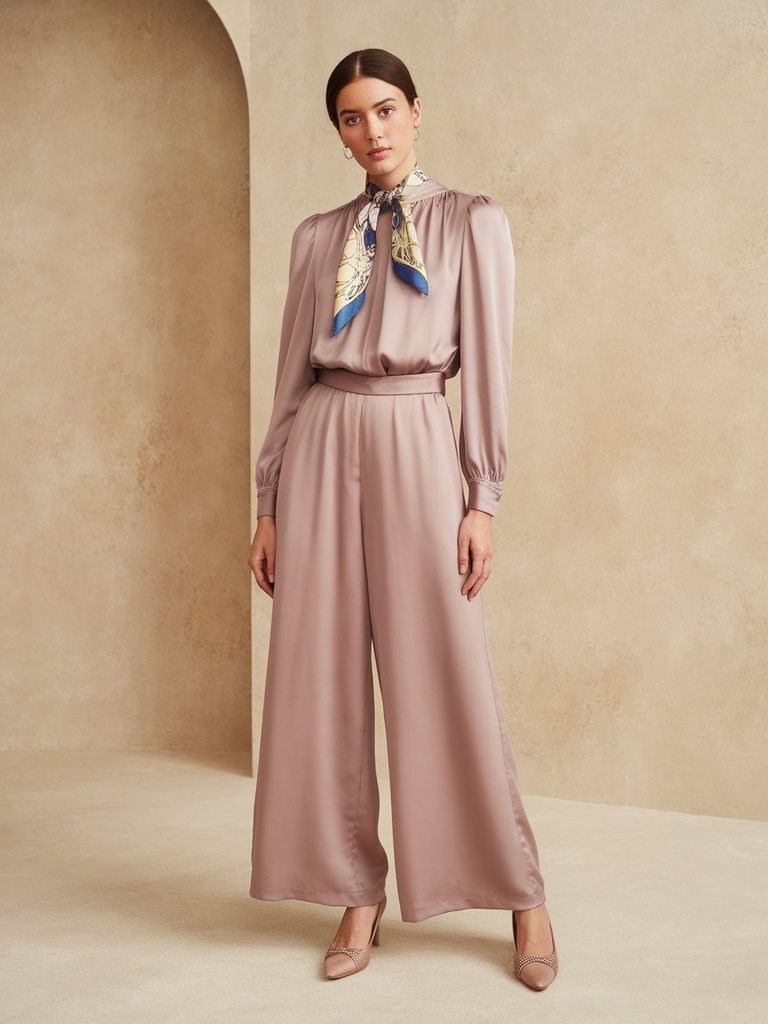
A jumpsuit is often the fastest way to solve cocktail attire without a dress, mostly because it already reads as a complete outfit rather than a set of pieces that need to be coordinated from scratch.
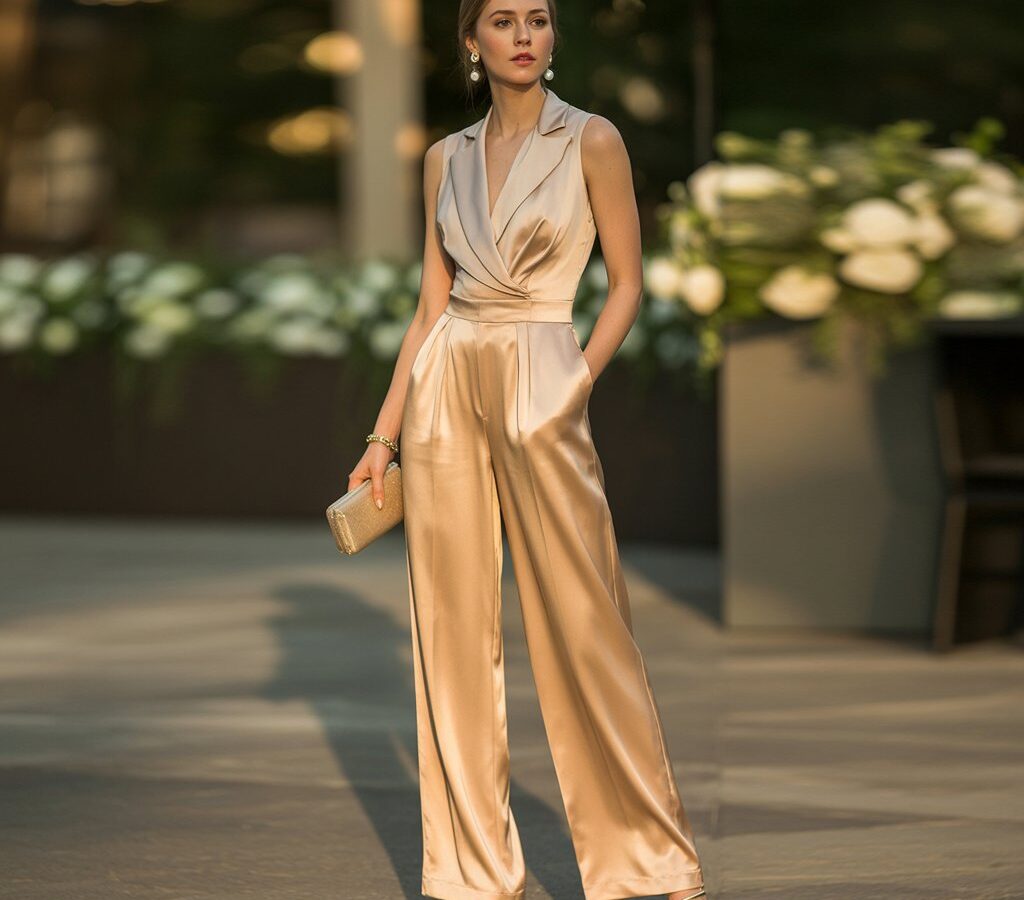
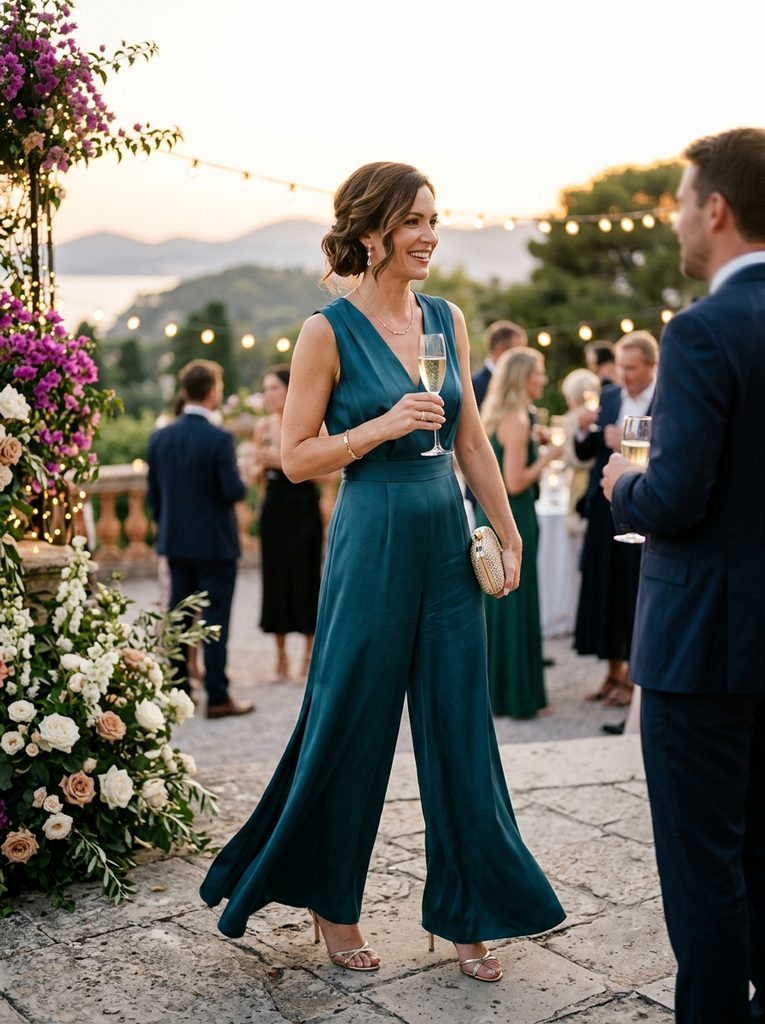
The formality comes down almost entirely to fabric and cut. A wide-leg jumpsuit in silk, satin, or a fluid crepe drapes in a way that reads as dressy the moment it moves, which is part of why it photographs so well next to more traditional cocktail dresses. A jumpsuit with a fitted bodice and a wrap or surplice front adds shape without needing a dress’s silhouette to do it. Wide, flowing legs tend to suit cocktail attire better than a slim, tapered cut, since the volume echoes the movement of a dress rather than reading as tailored trousers.
One detail worth paying attention to is length. A jumpsuit that pools slightly at the floor, similar to a floor-length gown, can tip into more formal territory than most cocktail dress codes call for. A hem that grazes the top of the shoe, or a cropped, ankle-length cut styled with a heel, keeps the proportions in line with what a knee-length or midi dress would offer at the same formality level.
Wide-Leg Trousers Paired With a Dressy Top
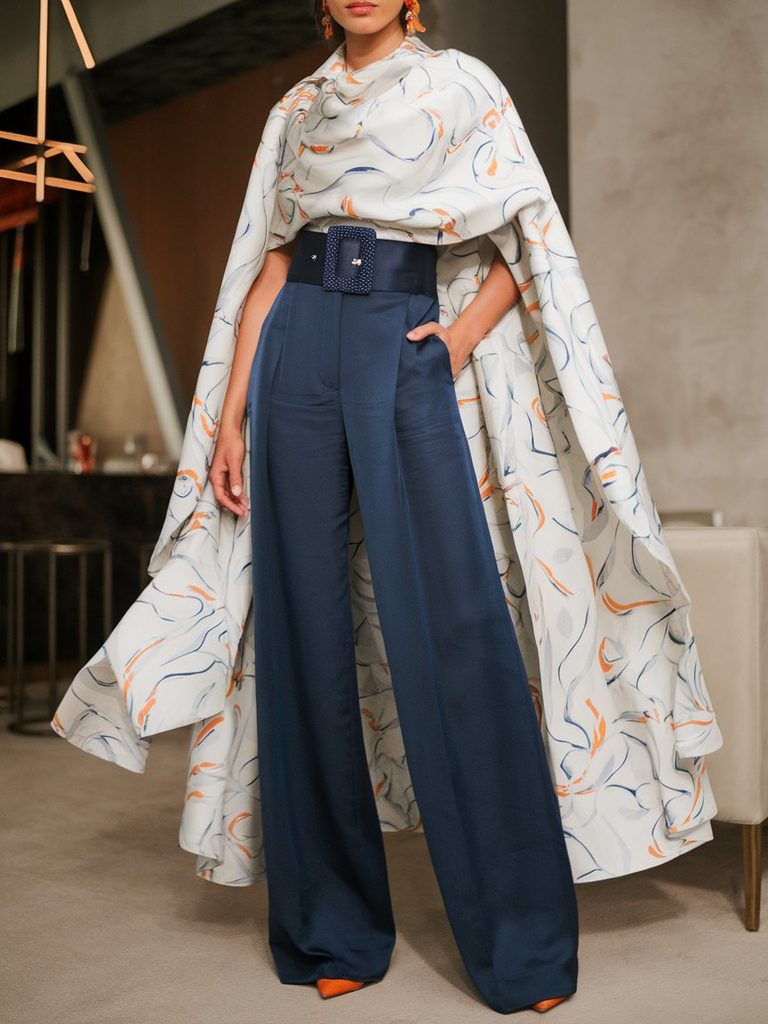
For guests who want more separation between top and bottom than a jumpsuit offers, wide-leg trousers in an evening-appropriate fabric do the same job in two pieces instead of one.
The fabric choice matters more here than almost anywhere else in the outfit. A trouser in cotton or a stiff, structured wool reads as office or daytime wear no matter how it’s styled. The same silhouette in silk, satin, or a fluid, slightly weighted crepe shifts the entire outfit into cocktail territory, since fluid fabric catches light and moves in a way that structured fabric simply doesn’t.
The top carries a lot of the formality signaling in this combination. A blouse in a similarly fluid fabric, with some visual interest built in through a draped neckline, a subtle sheen, or an interesting sleeve, does more work than a plain, structured shirt. Tucking the top into a high-waisted trouser rather than leaving it loose over the waistband also tends to look more finished, since it defines the silhouette the way a dress’s waistline would.
A Well-Cut Pantsuit as a Complete Look
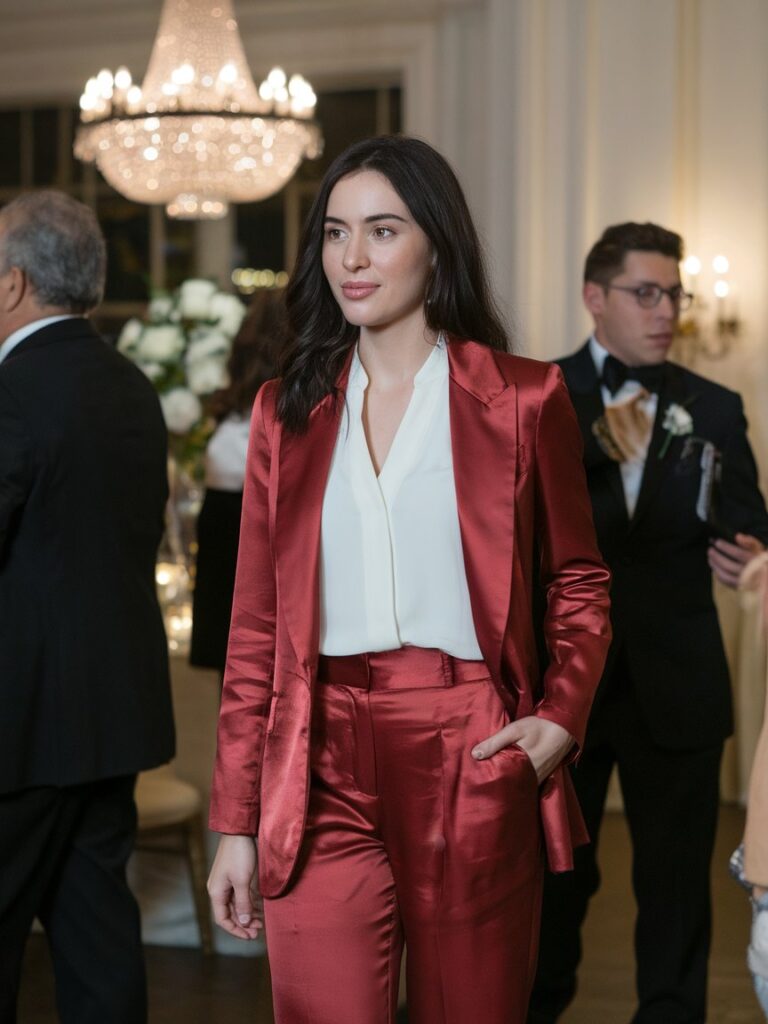
A pantsuit solves the coordination question entirely by treating the jacket and trouser as a single, matched outfit, which is part of why it’s become such a reliable option for guests who want to skip both dresses and separate-piece styling decisions.
The suiting fabric makes the biggest difference between an outfit that reads as cocktail-appropriate and one that reads as a work meeting. A matte wool suit in navy or charcoal, however well tailored, tends to lean business rather than event dressing. A suit in a silk-wool blend, a subtle jacquard, or a fabric with even a slight sheen shifts the same silhouette into evening territory without changing the cut at all.
Fit does the rest of the work. A jacket tailored close through the shoulders and waist, worn without a shirt underneath or over a simple silk camisole, reads noticeably more cocktail-appropriate than the same jacket buttoned over a collared shirt. Swapping a traditional blazer lapel for a soft, collarless jacket or one with a subtle peak lapel also helps separate the look from a daytime suit, even before color or accessories enter the picture.
Guests who already lean on tailored separates for work might recognize some of this logic from everyday dressing. The office outfit formulas built around trousers and blazers rely on many of the same fit principles, though the fabric and finish swap is what pushes a similar silhouette from a Monday morning meeting into cocktail-appropriate territory for a Saturday wedding.
Fabric Choices That Keep Separates From Reading as Office Wear
Cut and color get most of the attention when building a non-dress cocktail outfit, but fabric is usually the detail doing the heaviest lifting behind the scenes.
Silk, satin, and silk-blend crepe all catch light in a way that reads as dressy almost automatically, regardless of the exact silhouette they’re cut into. Velvet works particularly well for cooler-season weddings, adding richness to trousers or a jacket without requiring a bold color to feel elevated. Structured cotton, denim in any form, and stiff, matte wool tend to work against cocktail formality even when the cut itself is elegant, since these fabrics read as daytime or office-appropriate no matter how they’re styled.
A simple test worth applying while shopping: hold the fabric up and let it fall. Fluid, weighted fabric that drapes and moves generally signals evening formality. Fabric that holds its shape stiffly, the way a dress shirt or a structured blazer does, tends to read more casual or professional than a cocktail dress code calls for, even in a flattering cut.
Color and Print Choices for Non-Dress Cocktail Looks
Color carries slightly different expectations for separates than it does for a single dress, mostly because trousers and a top need to be considered as a pairing rather than one cohesive shape.
A monochromatic outfit, trousers and top in the same or closely related shade, tends to read as more formal than a strongly contrasted combination, since it visually reads closer to a single garment. Jewel tones, deep berry, emerald, and navy, work particularly well for cocktail attire across most seasons, while a softer neutral palette, camel, black, or a warm taupe, offers a quieter option that still meets the formality bar through fabric and fit rather than color impact.
As with any wedding guest outfit, white, ivory, and pale champagne stay off the table regardless of silhouette, and the same goes for any color close enough to be mistaken for a bridal shade from across a room. Beyond that one consistent rule, cocktail attire built around separates has more room for personal color preference than a lot of guests expect, since there’s no single silhouette dictating how bold a shade can read.
Footwear That Completes a Trouser-Based Outfit
Shoes matter more in a trouser-based cocktail outfit than they do with a dress, mostly because the hemline sits differently and draws more attention to what’s happening at the ankle.
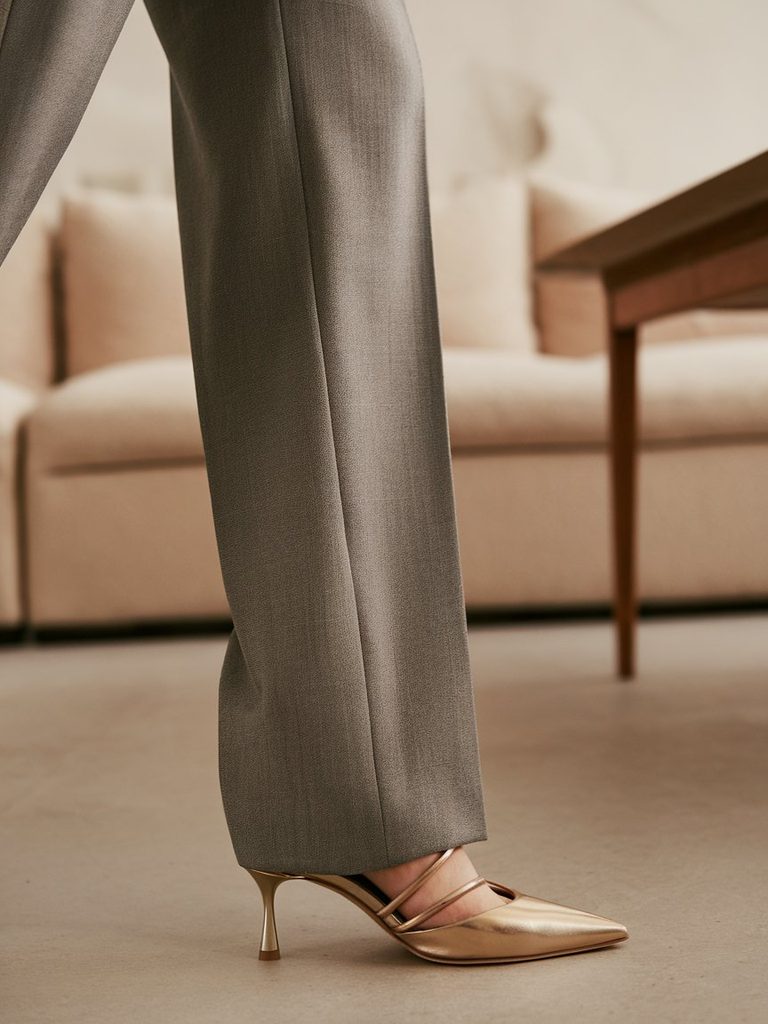
A pointed-toe heel elongates the leg line under a wide-leg trouser and remains one of the most reliable footwear choices for this kind of outfit. A strappy sandal heel works well with a cropped or ankle-length trouser, where a little more ankle is visible. For guests prioritizing comfort, particularly at an outdoor venue with grass or gravel, a block heel or an elegant flat in a metallic or jewel-toned fabric can still read as cocktail-appropriate, as long as the rest of the outfit’s fabric and fit carry enough formality to balance it out.
Closed-toe pumps and heeled mules both suit an evening pantsuit particularly well, echoing the polish of the tailoring without pulling focus away from it. Sneakers and flat sandals, even dressy-looking ones, tend to undercut the formality of separates faster than they would a dress, since there’s no hemline or drape distracting from the shoe the way a dress silhouette naturally does.
Accessorizing Separates So They Read as Cocktail, Not Business
Accessories do a lot of quiet work in separating a cocktail-appropriate trouser outfit from something closer to office wear, even when the fabric and cut are already dressy enough.
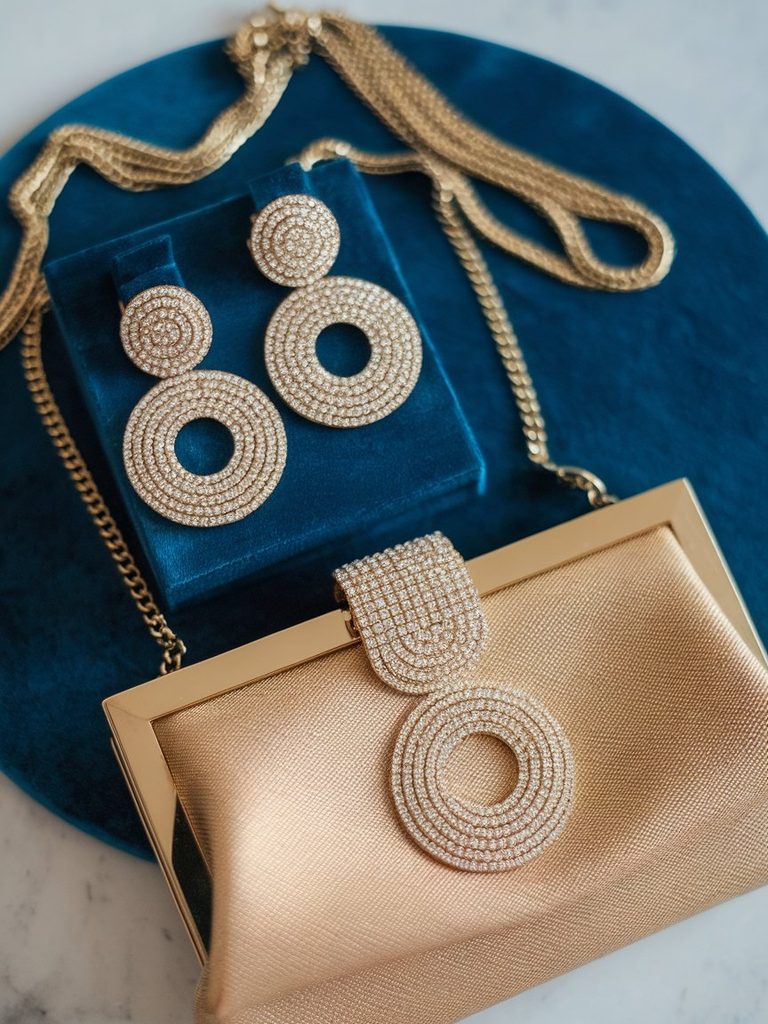
A structured, small evening bag reads noticeably more cocktail-appropriate than a daily tote or a work bag, regardless of how elevated the rest of the outfit is. Anyone unsure which size actually suits an evening event can find a useful breakdown in this guide to the handbag sizes worth owning, since a bag sized for a laptop and a water bottle rarely photographs well next to a tailored, cocktail-appropriate outfit.
Jewelry earns more visual space in a separates-based outfit than it would layered over a printed or embellished dress, since trousers and a simple top typically leave more room for a statement earring or a stack of bracelets to stand out. A silk scarf, worn at the neck or tied to a bag handle, adds a dressier finishing touch that a plain blazer or blouse might otherwise be missing. Swapping a daytime watch or simple stud earrings for something with more presence in the evening helps signal formality even when the outfit itself relies on fairly minimal pieces.
Common Mistakes That Make Separates Look Underdressed
A handful of recurring choices tend to undercut an otherwise well-planned cocktail outfit built around trousers or a jumpsuit, even when the overall concept is right.
- Choosing fabric based on comfort alone. A structured cotton trouser might feel easier to wear, but it consistently reads more casual than the same cut in a fluid, evening-appropriate fabric.
- Leaving a blazer buttoned over a collared shirt. This combination reads as business attire almost instantly, regardless of the suit’s color or fabric quality.
- Pairing dressy trousers with everyday flats or sneakers. Footwear needs to match the formality of the rest of the outfit, and casual shoes tend to pull an entire look down a formality level.
- Skipping accessories entirely. Separates rely more heavily on jewelry, bags, and finishing details than a single dress does, since there’s no embellishment or print doing that work already.
- Choosing a jumpsuit or trouser length that pools at the floor. This can unintentionally read as more formal than the dress code calls for, closer to black tie than cocktail.
One Formula to Fall Back On
For guests who want a dependable starting point rather than building an outfit from scratch, a simple formula tends to work across most cocktail-attire weddings. Start with wide-leg trousers or a jumpsuit in a fluid, evening-appropriate fabric, silk, satin, or a weighted crepe rather than cotton or stiff wool. Choose a jewel tone or a monochromatic neutral palette, steering clear of anything close to white or ivory. Add a pointed-toe or strappy heel, a small structured bag, and one statement jewelry piece to round out the formality.
This formula flexes easily across venues and seasons, and it sidesteps the usual assumption that cocktail attire requires a dress to feel complete. For guests who also want a broader sense of how dress code, venue, and season interact before finalizing an outfit, the rundown on reading a wedding’s dress code from the invitation itself and the general etiquette guidance on what to avoid at a wedding both cover ground that applies here just as directly, whether the outfit in question includes a dress or not.

Ella is a fashion and beauty writer who shares inspiring ideas about hairstyles, nail designs, wedding outfits, and seasonal fashion trends. She loves discovering fresh styles and creating…
View Author Profile →
1 Comment