
On this page
- Why So Many Wedding Invitations Skip the Dress Code
- Reading the Invitation for Clues Beyond the Dress Code Line
- The Safe Middle Ground: Cocktail-to-Semi-Formal for Fall
- Fabric Choices That Work Across a Range of Fall Formality
- Color Choices for Fall Weddings Without Overdressing or Underdressing
- Dressing for Indoor vs Outdoor Fall Ceremonies
- Layering Pieces That Look Intentional, Not Improvised
- Footwear Considerations for Uncertain Terrain and Formality
- What to Avoid When the Dress Code Is Unclear
- A Simple Framework for Deciding What to Wear
An invitation arrives with a date, a venue, and a request to RSVP by a certain time, and then nothing at all about what to wear. No “black tie,” no “cocktail attire,” not even a gentle “festive” or “garden casual” to go on. For a fall wedding especially, where temperature swings and seasonal color choices already complicate things, this gap can turn a simple RSVP into a genuine styling puzzle.
The good news is that an invitation without a stated dress code is not actually silent. It is usually giving plenty of information, just not in the format most guests expect to look for. This guide walks through how to read those quieter signals and turn them into an outfit that fits the occasion without overdressing, underdressing, or freezing halfway through the reception.
Why So Many Wedding Invitations Skip the Dress Code
Couples leave dress codes off invitations for a range of reasons, and very few of them have anything to do with wanting guests to guess.
Some couples simply assume the venue itself communicates the formality level clearly enough that a separate line feels redundant. Others are planning a wedding that blends more than one tone, a relaxed outdoor ceremony followed by a more polished evening reception, and find that a single dress code label does not quite capture both halves of the day. A growing number of invitation designers also lean toward minimal, uncluttered wording, which sometimes means practical details like a dress code get trimmed along with everything else.
None of this is meant to leave guests stranded. It just means the responsibility for reading the room shifts slightly, from a printed instruction to a handful of contextual clues that are usually easy enough to find once you know where to look.
Reading the Invitation for Clues Beyond the Dress Code Line
Before turning to a wedding website or asking around, it is worth going back over the invitation itself, since most of the information needed is already there.
Venue Type
A barn, a vineyard, or a botanical garden generally points toward a more relaxed, seasonally appropriate look, even at a wedding with a genuinely elegant budget behind it. A hotel ballroom, a historic estate, or a downtown event space with marble floors and chandeliers tends to signal something more polished, closer to cocktail or semi-formal territory. The venue rarely lies about the intended formality level, even when the couple has not spelled it out directly.
Time of Day
An afternoon ceremony followed by a daytime reception generally calls for a lighter, less formal interpretation of fall dressing than an evening event does. Evening weddings, particularly ones starting after five or six in the fall when it is already getting dark, tend to lean more formal by default, since darker settings and evening lighting naturally read as dressier regardless of venue.
Wording and Design Style
The language and design of the invitation itself carries more information than most guests give it credit for. A heavy cardstock invitation with formal script and traditional wording usually pairs with a more traditional dress expectation. A playful, modern design with casual language, first names only, informal RSVP instructions, often points toward a more relaxed interpretation, even for a fall wedding with a naturally elegant seasonal palette.
Registry and Wedding Website Hints
Many couples who skip a formal dress code line still leave hints elsewhere. A wedding website with a “what to wear” or FAQ section sometimes exists even when it is not obvious from the invitation. Photos from the engagement shoot, a save-the-date with a specific aesthetic, or even the couple’s own social media in the lead-up to the wedding can offer a reasonable sense of the tone they are going for.
The Safe Middle Ground: Cocktail-to-Semi-Formal for Fall
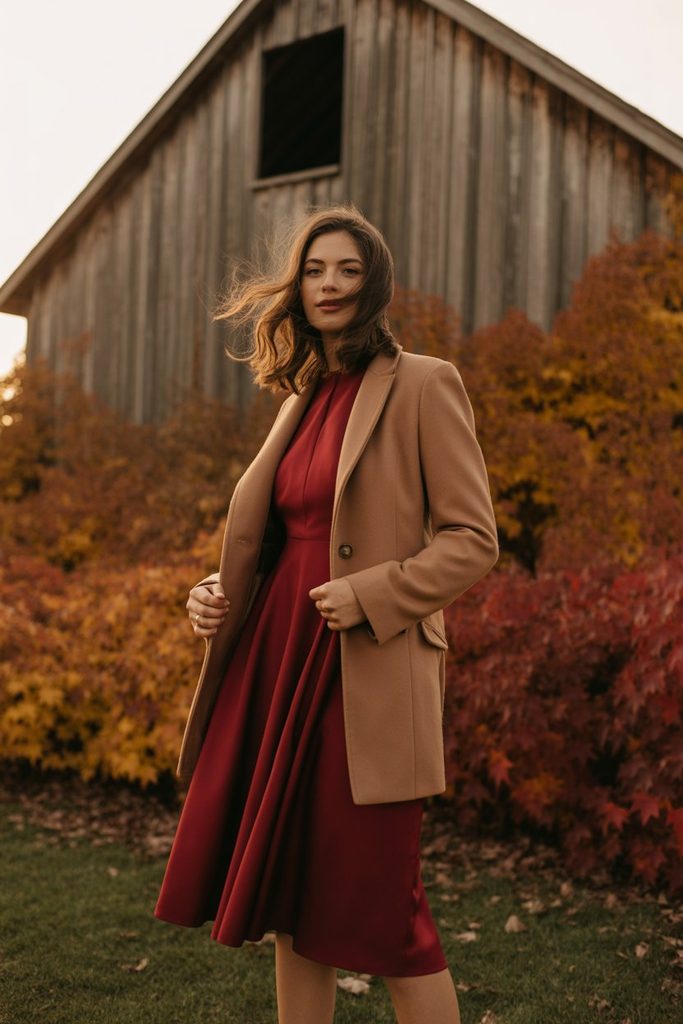
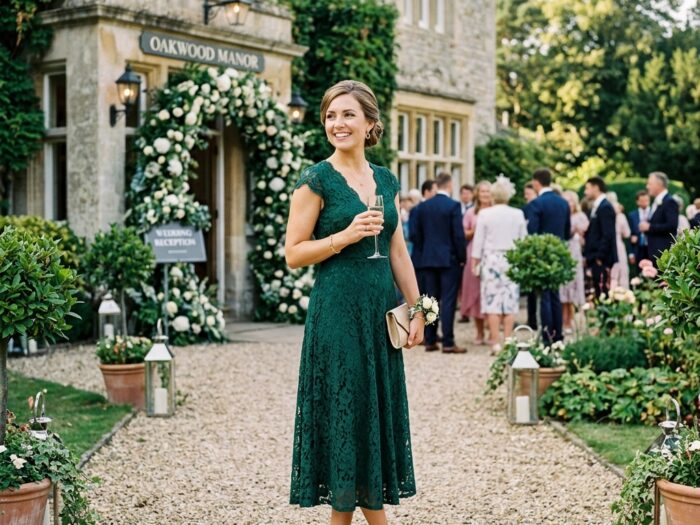
When none of the clues above resolve the question clearly, cocktail-to-semi-formal remains the safest default for a fall wedding without a stated dress code. This range covers a midi or knee-length dress in a seasonal fabric, a tailored jumpsuit, or a dressy separate like a blouse paired with wide-leg trousers, all of which read as put-together without tipping into black-tie territory or looking underdressed next to guests who chose something more elevated.
This middle ground works particularly well for fall specifically, since the season already supports richer fabrics and deeper colors that read as dressier than their warm-weather counterparts, even in a relatively simple silhouette. A knee-length dress in a heavier crepe or a subtle jacquard, for instance, looks more considered for fall than the same silhouette would in a light cotton, without requiring any additional formality in the cut itself.
Fabric Choices That Work Across a Range of Fall Formality
Fabric does a surprising amount of the work in signaling formality, often more than silhouette or color alone.
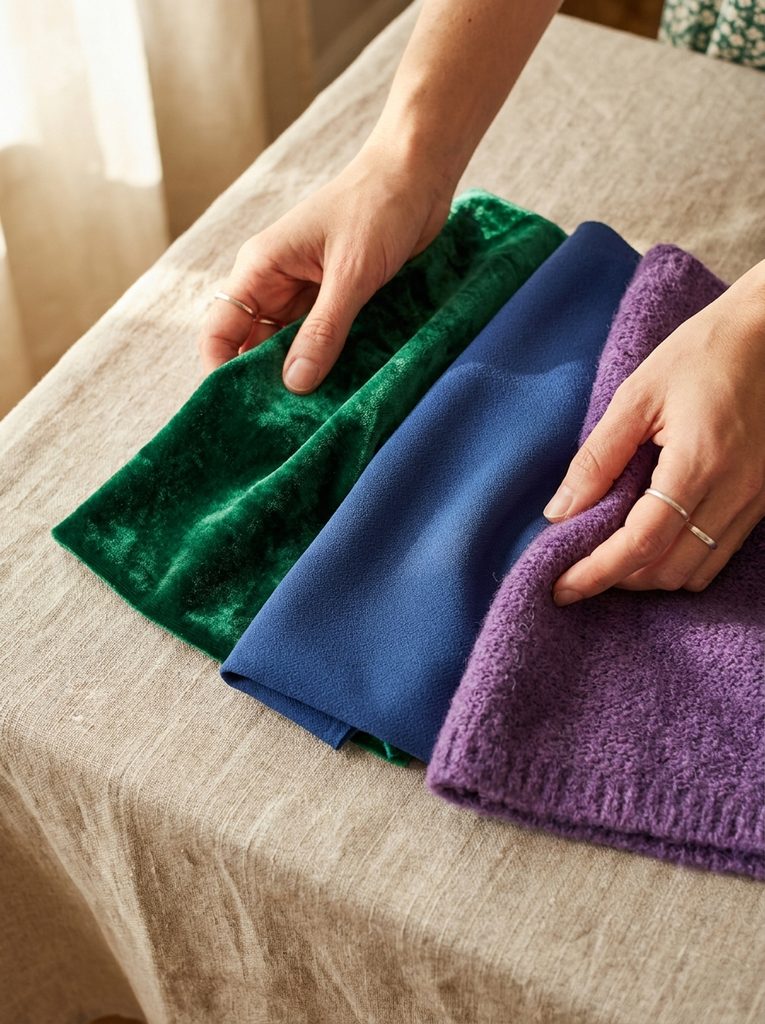
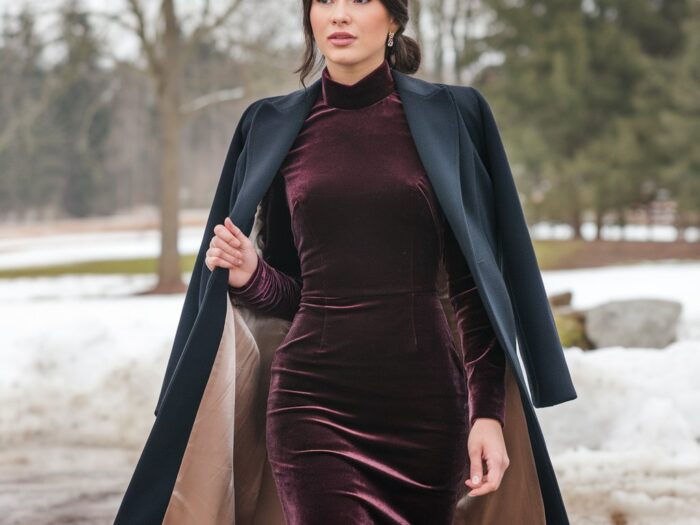
Velvet and heavier satin read as elevated almost automatically, which makes them useful for a wedding that might lean more formal than expected. Wool crepe, ponte, and structured jersey sit comfortably in the middle, dressy enough for a semi-formal event but not so dramatic that they would feel out of place at a more relaxed barn or vineyard wedding. Lighter fall fabrics like a soft cotton-blend midi or a fine-gauge knit dress lean more casual, which suits an afternoon garden ceremony better than an evening ballroom reception.
Layering fabric weight is also worth considering separately from the main outfit, since fall weather can shift significantly between an outdoor ceremony and an indoor reception. A structured blazer or a tailored coat in wool or a wool blend adds warmth without looking like an afterthought, which matters more at a fall wedding than it would during a summer one.
Color Choices for Fall Weddings Without Overdressing or Underdressing
Fall naturally supports a deeper, richer color palette than other seasons, which gives guests more flexibility than they might expect while still avoiding anything too flashy for the occasion.
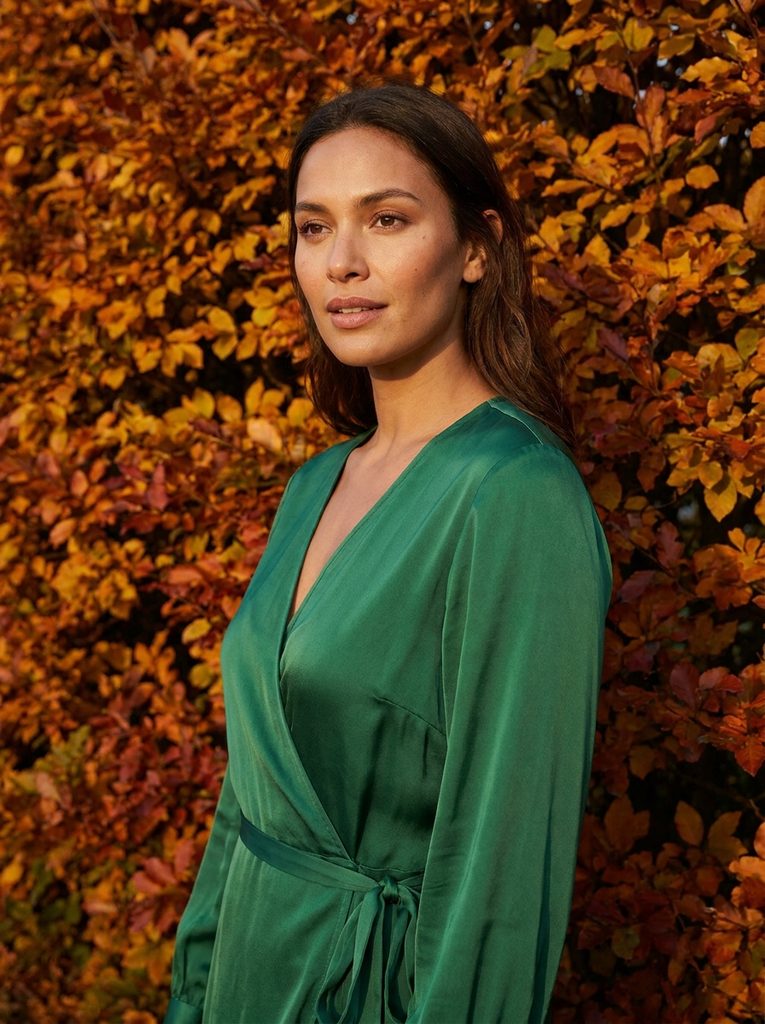
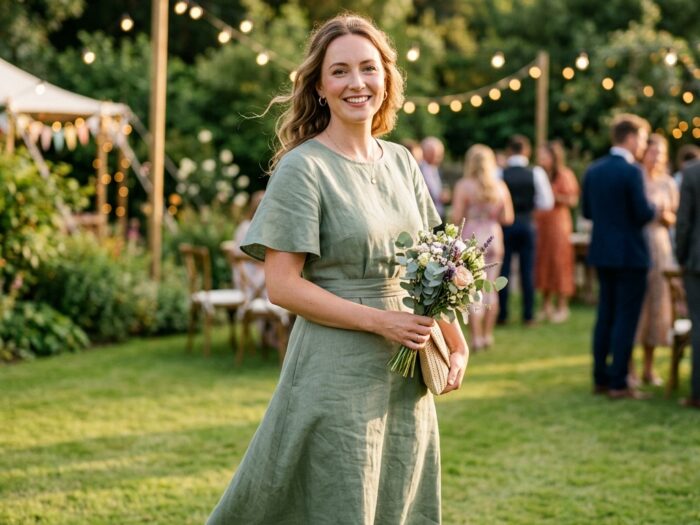
Deep jewel tones, emerald, burgundy, plum, and a rich navy, all read as seasonally appropriate and formal enough for most fall weddings, regardless of whether the event lands closer to casual or dressy. Warm neutrals like camel, chocolate brown, and a deep rust also work well, particularly for daytime or outdoor ceremonies where a bold jewel tone might feel slightly more formal than the setting calls for.
As with most wedding guest dressing, white, ivory, and any shade close enough to be mistaken for a bridal color from a distance remain off-limits regardless of formality level. Beyond that single rule, fall gives guests more room to work with color than they might assume from a blank dress code line. Anyone building a broader wardrobe around this kind of undertone-aware color thinking may find it useful to look at how warm and cool color families flatter different skin tones, since the same logic that applies to choosing a bridesmaid palette applies just as well to picking a guest outfit that photographs well.
Dressing for Indoor vs Outdoor Fall Ceremonies
An invitation without a dress code often does specify the ceremony location, even when it says nothing about formality, and that detail is worth paying close attention to for fall specifically.
Outdoor ceremonies in fall introduce practical considerations that indoor venues do not. Grass, gravel, and uneven garden paths make certain heel styles impractical regardless of how elegant they look, and a lack of climate control means temperature swings between an afternoon ceremony and an evening reception can be more dramatic than the invitation lets on. Indoor venues remove most of these practical concerns but tend to run warmer once a room fills with guests, which is worth factoring in when choosing fabric weight for the base outfit rather than relying entirely on an outer layer.
A wedding with both an outdoor ceremony and an indoor reception, common in fall when couples want the visual benefit of changing leaves without fully committing to an outdoor reception once temperatures drop after sunset, calls for an outfit that can adapt across both settings without a full change of clothes.
Layering Pieces That Look Intentional, Not Improvised
A fall wedding almost always benefits from a layering piece, but the difference between a layer that looks planned and one that looks like an afterthought usually comes down to fit and fabric rather than the concept itself.
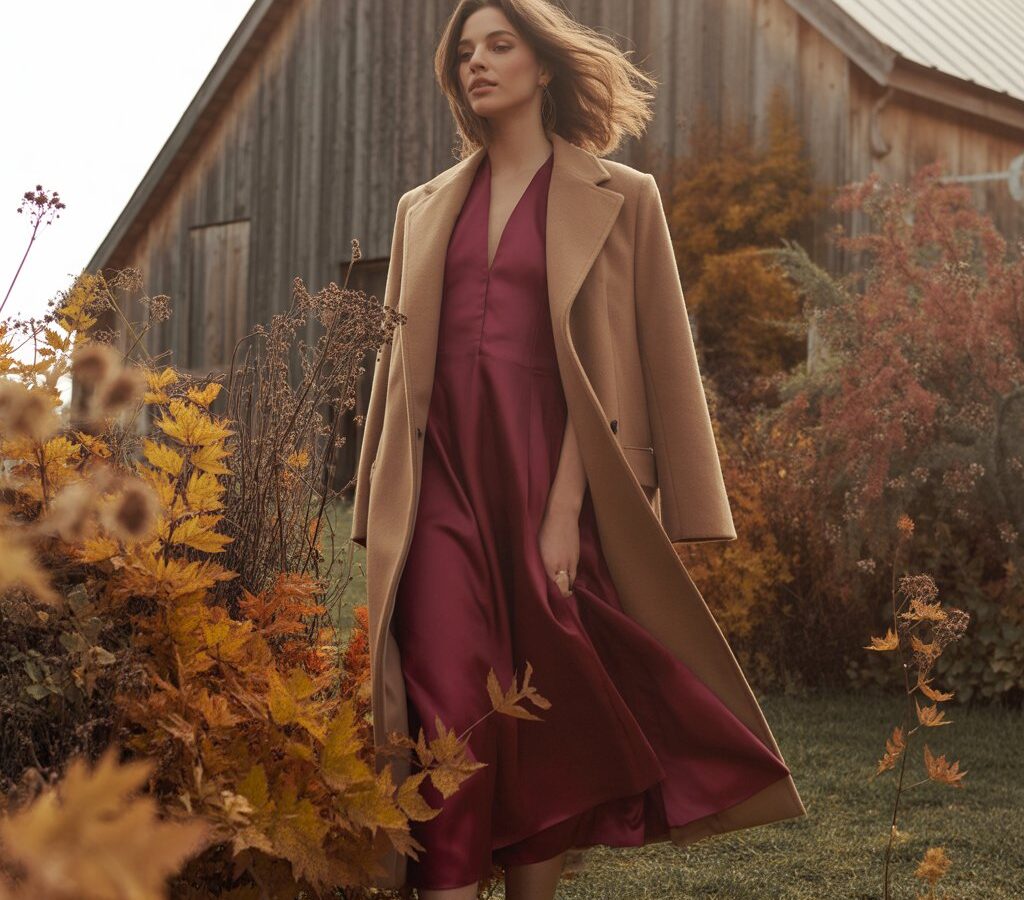
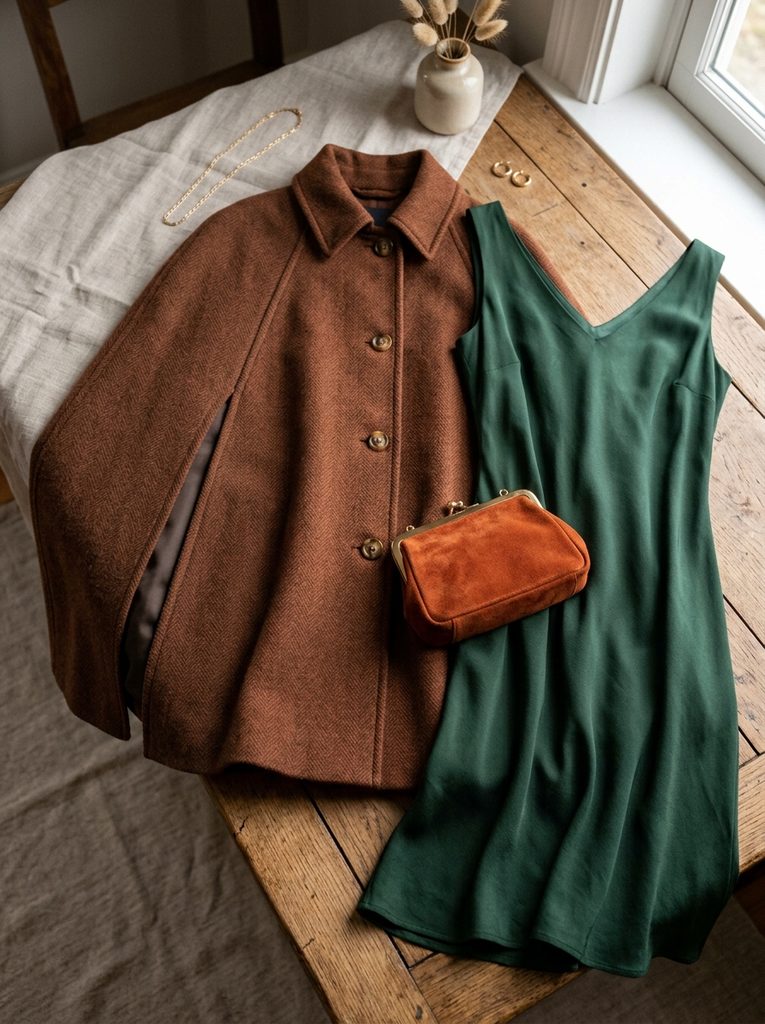
A tailored wool coat or a structured cape in a color that coordinates with, rather than exactly matches, the main outfit tends to look more intentional than a plain black cardigan thrown over a dressier dress. A blazer in a slightly textured fabric, tweed, boucle, or a fine wool, adds warmth while still reading as part of the outfit rather than a practical add-on. For guests who run cold, a lightweight scarf in a rich fall color can serve the same warmth-adding purpose without adding bulk, particularly useful for an outdoor ceremony that transitions into a warmer indoor reception later in the evening.
Bringing a second, lighter layer as a backup, folded into a bag rather than worn from the start, tends to solve the temperature-swing problem better than trying to predict the exact weather in advance and committing to a single coat for the entire event.
Footwear Considerations for Uncertain Terrain and Formality
Shoes carry more risk than almost any other part of a fall wedding outfit, since terrain, weather, and formality level all intersect here more directly than they do with the rest of the look.
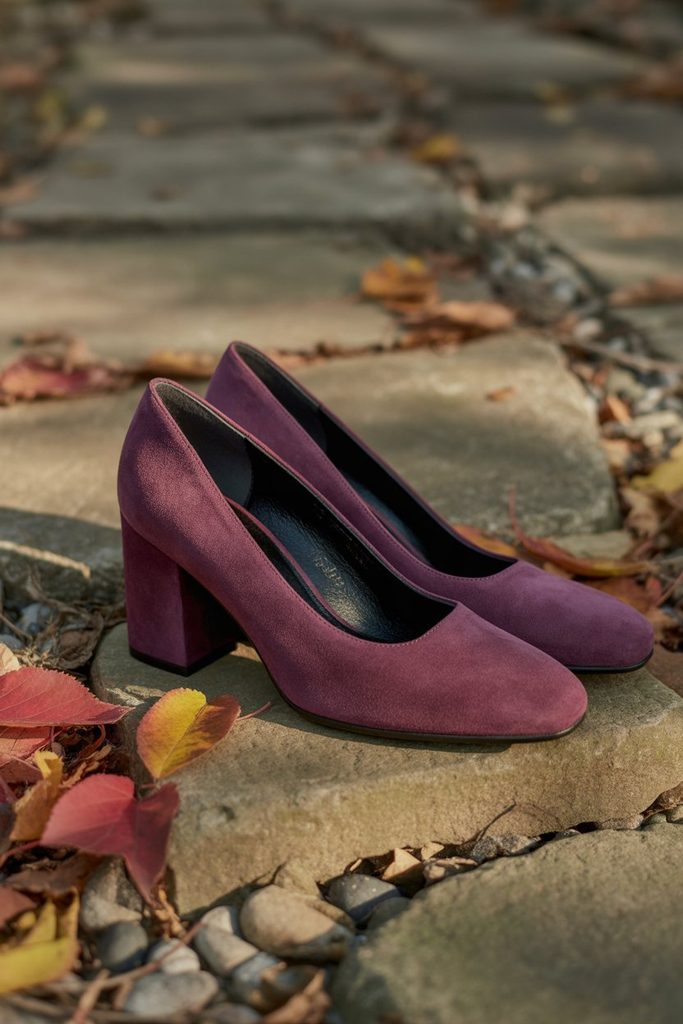
A block or wedge heel handles uneven outdoor terrain far better than a thin stiletto, without sacrificing much in terms of formality, which makes it a reliable default when the ceremony location is unclear from the invitation. Closed-toe options in suede, leather, or a fabric with some texture tend to suit fall better than an open sandal, both visually and practically, given the likelihood of cooler temperatures. For guests attending a wedding with a genuinely uncertain terrain situation, a small flat or low-heeled option kept in a bag for the ceremony, swapped for a dressier shoe at the reception, remains a practical option that few other guests will notice.
What to Avoid When the Dress Code Is Unclear
A handful of choices tend to create more risk than the ambiguity of the invitation itself, regardless of how the rest of the outfit is styled.
- Assuming casual by default. Skipping a dress code is not the same as signaling a casual event, and treating it that way is one of the more common ways guests end up underdressed at a wedding that turned out to be more formal than expected.
- Overcorrecting into full formal wear. Black tie for a wedding that never asked for it can feel just as out of place as showing up underdressed, particularly at a smaller, more relaxed fall wedding.
- Choosing fabric based only on the forecast. A light dress that makes sense for a mild fall afternoon can look thin and out of place once the reception moves indoors under warmer lighting, or once temperatures drop sharply after sunset.
- Ignoring texture in favor of color alone. Two outfits in the same shade of burgundy can read completely differently depending on whether the fabric is a light cotton or a heavier velvet, and fall formality often depends more on that texture than the color choice itself.
- Forgetting a backup layer entirely. Committing to a single coat or no coat at all leaves little room to adjust once the actual temperature and venue conditions become clear on the day itself.
A Simple Framework for Deciding What to Wear
For anyone who still feels stuck after reading the invitation closely, a short framework tends to narrow things down without requiring a message to the couple.
Start with venue and time of day together, since these two details combined tend to give the clearest signal about intended formality. From there, default to cocktail-to-semi-formal unless the venue or invitation design strongly suggests otherwise in either direction. Choose a fabric weight suited to fall rather than defaulting to summer-weight pieces just because the event falls on a warm afternoon, and build in a layering option that can adapt to both an outdoor ceremony and an indoor reception without requiring a full outfit change.
Finally, treat color as an opportunity rather than a risk. Fall gives guests more room to work with rich, seasonal tones than a blank dress-code line might suggest, as long as white and its close relatives stay off the table. Pairing that color choice with a fabric and layering plan suited to the season tends to matter more to how an outfit actually reads than guessing at a formality label the couple never provided in the first place.
For guests building out a full fall wardrobe around this kind of seasonal color and layering logic, the fall capsule wardrobe guide and the transitional outfit ideas for unpredictable weather both cover related layering strategies that apply just as well to a wedding guest look as they do to everyday fall dressing. A polished manicure in one of the season’s quiet-luxury nail colors rounds out the look nicely, particularly for a wedding where hands are likely to show up in more than a few photographs.
An invitation without a dress code is rarely an oversight and almost never an invitation to guess randomly. Reading the venue, the timing, and the invitation’s own design gives most guests enough to work with, and a fall-appropriate fabric and color choice fills in the rest without requiring a single follow-up text to the couple.

Ella is a fashion and beauty writer who shares inspiring ideas about hairstyles, nail designs, wedding outfits, and seasonal fashion trends. She loves discovering fresh styles and creating…
View Author Profile →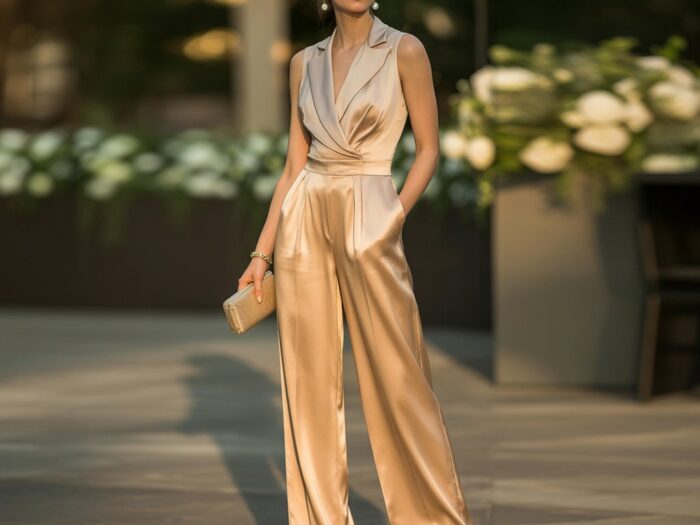
1 Comment