

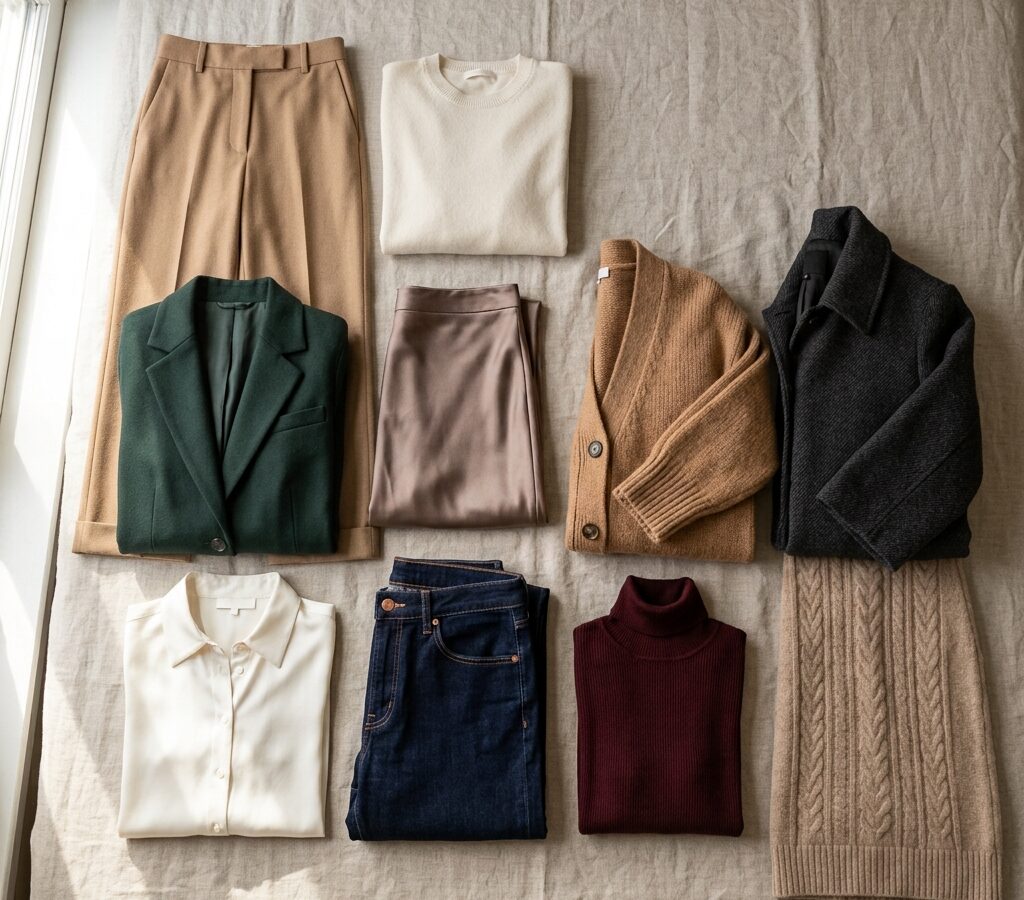
Most capsule wardrobe advice stops at the shopping list. Ten items, a color palette, a promise that everything “goes together,” and not much explanation of why some ten-piece wardrobes feel effortless while others quietly fall apart by week three. The difference rarely comes down to the pieces themselves. It comes down to how deliberately those pieces were chosen to work against each other, not just alongside each other.
A wardrobe that repeats well is not one where every item matches every other item in an obvious way. It is one where a handful of decisions, about silhouette, color temperature, and fabric weight, were made early enough that the combinations multiply without anyone having to think too hard about it on a Tuesday morning.
This piece walks through the reasoning behind a fall-specific ten-piece capsule, what to actually buy, and the small habits that keep the same ten pieces from ever reading as repetitive, even when they technically are being repeated.
Why Ten Pieces Is the Right Number, Not an Arbitrary One
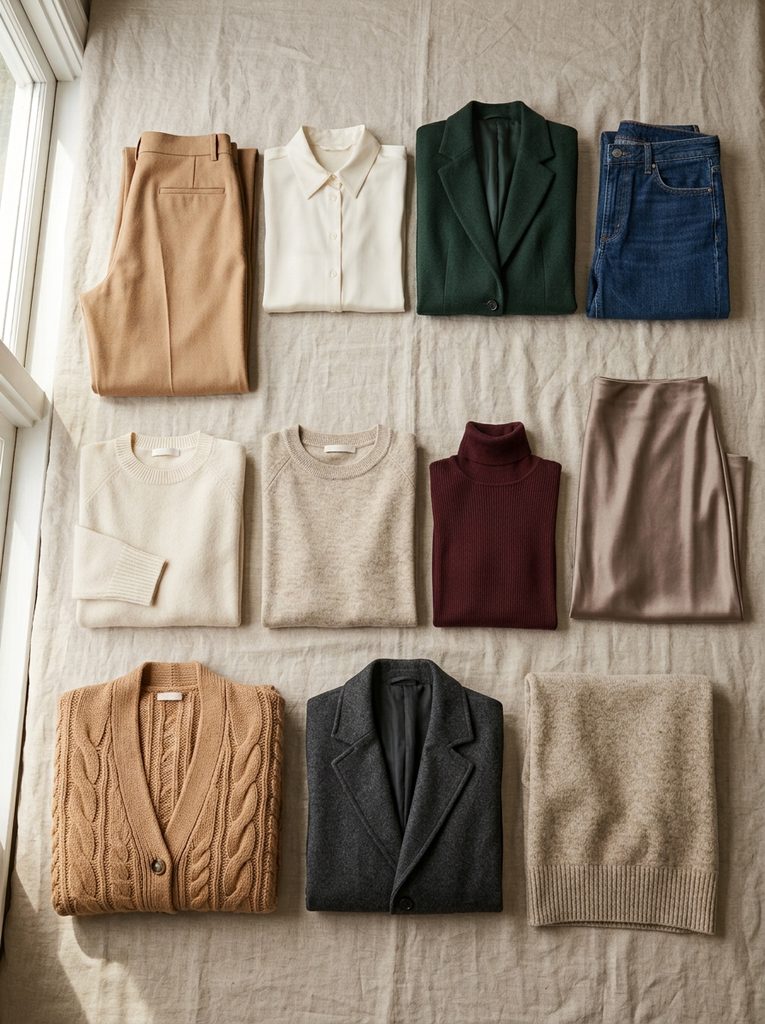
Capsule wardrobes get built around round numbers because round numbers are easy to remember, not because there is anything special about ten. What matters more is the ratio between pieces that can only do one job and pieces that can do several.
A wardrobe made entirely of statement pieces, a printed dress, a bold coat, a patterned skirt, looks interesting hanging in a closet and disappointing in practice, because each item locks the rest of the outfit into a narrow set of choices. A wardrobe made entirely of neutrals avoids that trap but risks feeling flat, since nothing in it creates visual interest on its own.
Ten pieces sits at a useful middle point. It is enough room to include one or two pieces with real personality, a rich color, an interesting texture, without those pieces overwhelming a small rotation. It is also few enough that every single item has to earn its place, which forces the kind of restraint that actually produces a wardrobe people reach for instead of one they admire and ignore.
The Real Problem Capsule Wardrobes Are Solving
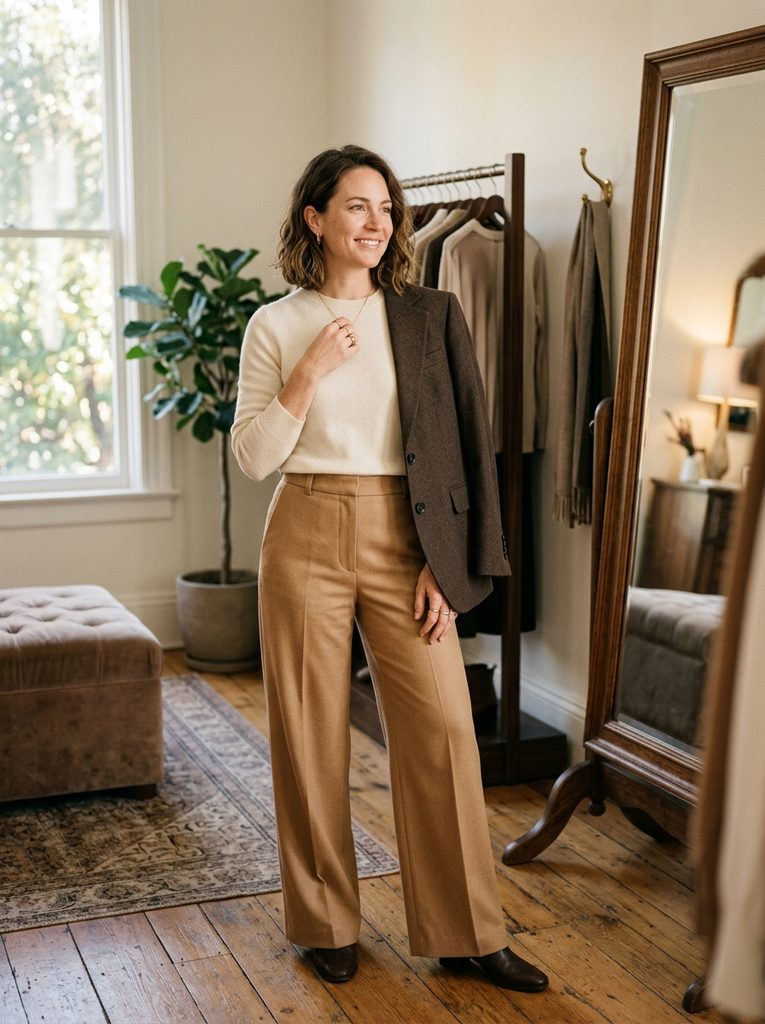
The appeal of a capsule wardrobe usually gets framed around simplicity, less decision fatigue, a tidier closet, a faster morning. Those benefits are real, but they are side effects of the actual problem being solved, which is combinability.
Most closets are full of pieces bought in isolation. A dress purchased for one event, a sweater that matched a specific pair of trousers now donated, a blazer that looked right under one particular kind of lighting. None of these pieces were chosen with the rest of the closet in mind, so they sit there mostly unworn, each one only compatible with one or two other things.
A capsule wardrobe reverses that logic. Every piece gets chosen with the other nine already decided, which is why the order of selection matters almost as much as the selection itself. Building outward from a strong base, rather than buying whatever looks appealing in the moment, is what turns ten garments into forty or fifty distinct outfits instead of ten.
The Ten Pieces and Why Each One Was Chosen
Fall asks more of a capsule wardrobe than most seasons, since temperatures swing widely and the wardrobe needs to move between casual daytime wear and slightly dressier evening plans without doubling in size. Readers dealing with the wider version of that same swing may find it useful to look at layering strategies for unpredictable weather alongside this list, since several of the same principles carry over.
1. Wide-leg wool-blend trousers, camel or charcoal. These act as the anchor for at least half the outfits in the rotation. A wide leg balances heavier tops without adding bulk, and a neutral like camel photographs well next to almost every other color in this list.
2. A fine-gauge crewneck sweater in cream or ivory. Fine gauge matters more than color here. A bulky sweater limits what can be layered over it, while a thin, closely knit sweater tucks into trousers, layers under a blazer, and sits comfortably under a coat without adding visible weight.
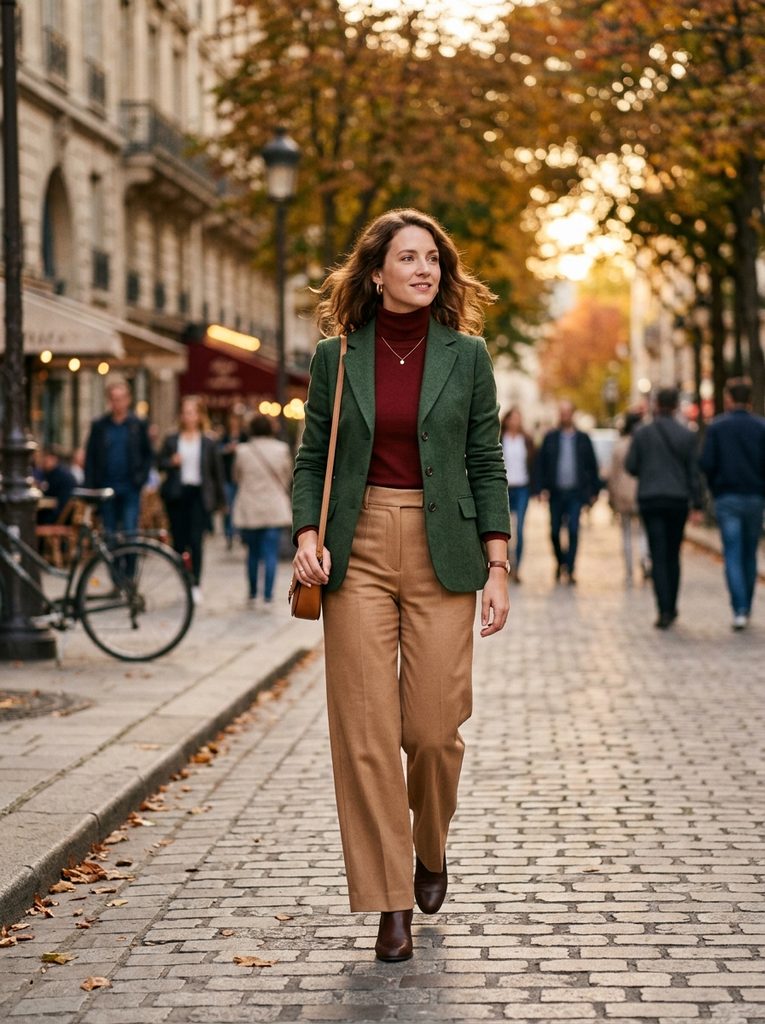
3. A structured blazer in a deep, muted tone like espresso or forest green. This single piece does more work than almost anything else on the list. It elevates a plain sweater and trouser combination for daytime meetings, layers over a slip dress for evening, and provides the one piece of real color depth the wardrobe needs.
4. A silk or satin blouse in a soft neutral. Where the sweater is casual, this blouse is the piece that moves an outfit toward something dressier. Buttoned all the way for a polished look or worn slightly open under the blazer, it covers occasions the sweater cannot.
5. A midi skirt in a fluid fabric, ideally a satin or fine wool blend. Skirts are often left out of capsule wardrobes because they feel like a one-outfit item, but a midi in a neutral tone pairs with the sweater, the blouse, and the turtleneck below, doing far more than its reputation suggests.
6. Straight-leg dark denim. The most casual piece in the wardrobe, and the one that keeps everything else from feeling too formal for daily life. Dark, unwashed denim reads as slightly more elevated than a lighter wash and pairs cleanly with the blazer for a smart-casual combination.
7. An oversized cardigan in a rich, warm neutral. This is the piece that handles the temperature swings fall is known for. Thrown over the slip dress, layered under the coat, or worn alone over trousers on a mild day, it earns its place through sheer flexibility rather than any single standout look.
8. A wool or trench-style coat in a deep neutral. One coat, chosen for versatility over drama, covers the coldest and windiest days without needing a backup. A trench works in drier climates and milder falls, while a wool coat suits colder regions better, so this choice should reflect the actual climate rather than a styling trend.
9. A fitted turtleneck in a deep, warm tone like oxblood or espresso. This single colored piece adds richness to an otherwise neutral wardrobe. Worn under the blazer, layered beneath the cardigan, or paired simply with the wide-leg trousers, it introduces just enough color without disrupting the palette.
10. A knit or slip dress in a warm neutral. The most efficient single piece in the wardrobe, since it functions as a complete outfit and as a layering base underneath the blazer or cardigan. Choosing a knit dress over a cotton or linen one keeps it functional well past the first cold snap.
Ten pieces, five neutrals, three deep warm tones, and two textures doing most of the heavy lifting. Nothing here is unusual on its own. The value comes from how deliberately each piece was chosen against the other nine.
A Color Strategy That Prevents the Wardrobe From Feeling Repetitive
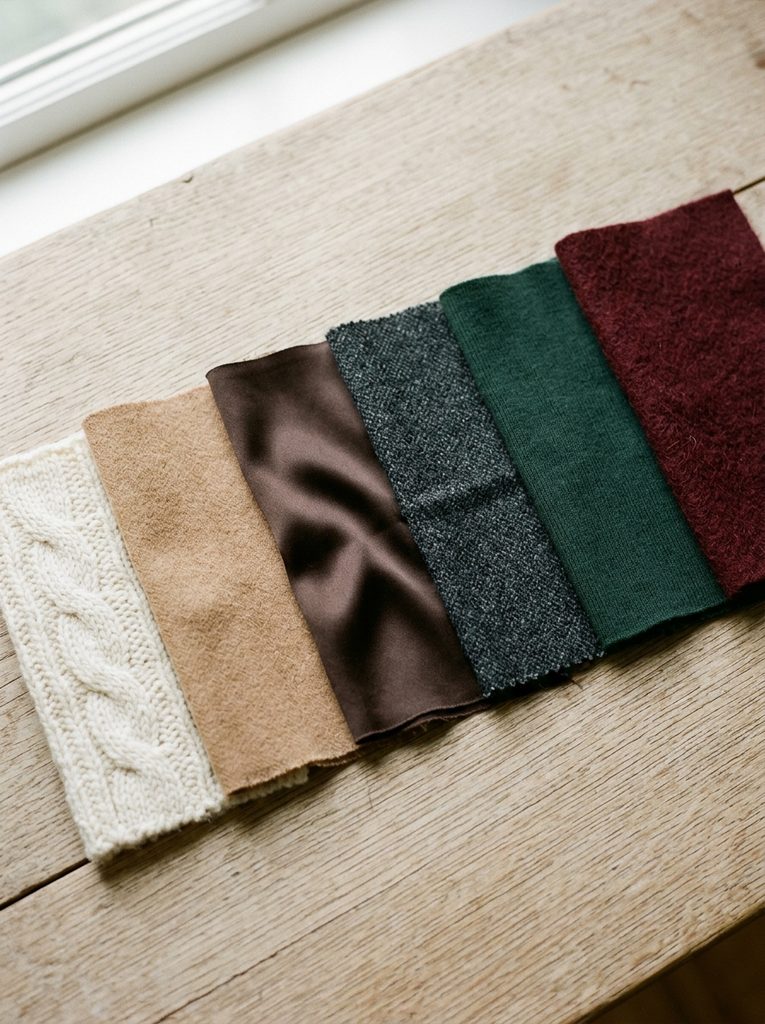
The fastest way for a capsule wardrobe to start feeling stale is a color palette with no internal logic. Ten pieces in ten different, unrelated colors will never combine cleanly no matter how well each piece is made. Ten pieces built around one warm neutral base and two or three deeper accent tones will combine almost automatically.
This wardrobe leans on camel, cream, and charcoal as the base, with espresso, forest green, and oxblood layered in as accents. None of these colors compete with each other, which means any two pieces from the list can be paired without a second thought about whether they clash.
The accent colors are doing more work than they might appear to. A cream sweater with camel trousers reads as slightly flat on its own, but adding the oxblood turtleneck underneath or the forest green blazer over top gives the same base combination a completely different mood, without introducing a single new garment.
Turning Ten Pieces Into a Real Rotation
The math behind a well-built capsule wardrobe is more generous than most people expect. Even without counting shoes, bags, or jewelry, ten pieces chosen this deliberately produce well over two dozen distinct outfits, simply by varying which top goes under which layer and which bottom gets paired with it.
A few examples worth trying directly:
- The turtleneck under the blazer with wide-leg trousers, for anything that needs to look put together without trying too hard.
- The slip dress layered under the cardigan with ankle boots, for a day that starts cool and needs to loosen up by afternoon.
- The blouse tucked into the midi skirt with the coat over top, for an evening plan that still involves walking somewhere cold.
- The sweater with straight-leg denim and the cardigan tied at the waist, for the most casual version of the wardrobe.
- The turtleneck with the midi skirt and blazer, for an outfit that photographs well and travels easily between daytime and evening plans.
None of these combinations require thinking very hard, which is the entire point. The decisions were made once, at the purchasing stage, so the daily decision becomes a matter of picking two or three pieces rather than solving a puzzle from scratch each morning.
Where Capsule Wardrobes Usually Break Down
A few specific mistakes account for most capsule wardrobes that end up feeling more limiting than freeing.
Choosing pieces that are too similar to each other. Three sweaters in slightly different shades of cream might feel like variety, but they function as one item with three near-identical options. Real variety comes from contrast, in fabric, in silhouette, in weight, not from small color gradations.
Skipping fabric weight as a factor. A wardrobe built entirely from mid-weight knits will feel monotonous by the second week, regardless of how well the colors coordinate. Mixing satin, wool, and knit textures gives outfits visual depth that color alone cannot provide.
Treating the accent colors as optional. A wardrobe built entirely from neutrals, with no oxblood turtleneck or forest green blazer anywhere in the mix, tends to look tired faster than one with even a small amount of deeper color woven through it. The neutrals need something to play against.
Ignoring proportion. Pairing the wide-leg trousers with the oversized cardigan, without a fitted piece somewhere in the outfit, can read as shapeless. Balancing at least one loose piece with one fitted piece in every combination keeps the silhouette intentional rather than accidental.
Building It Without Buying Everything at Once
Very few people can or should buy ten pieces in a single trip. A more realistic approach is to prioritize the pieces that unlock the most combinations first, then fill in around them.
The wide-leg trousers, the fine-gauge sweater, and the blazer form the core of this wardrobe. Buying those three first, along with one pair of reliable shoes, already produces several workable outfits and gives a clearer sense of whether the palette actually suits the rest of an existing wardrobe before committing further.
The cardigan and the coat can follow once the weather actually demands them, since buying outerwear too early often means judging fit and warmth without knowing exactly how cold the season will get. The dress, the skirt, and the turtleneck round things out last, since they add refinement to a wardrobe that already functions without them.
This staggered approach also protects against the most common capsule wardrobe mistake, which is buying all ten pieces at once from a single source and ending up with a wardrobe that photographs beautifully as a set but does not actually reflect how the person dresses day to day.
Making the Same Ten Pieces Look Different Each Week
A handful of small habits stretch a ten-piece wardrobe further than the raw math suggests, mostly by changing how each piece is worn rather than what is worn.
Tucking versus leaving a top untucked changes the entire proportion of an outfit without changing a single garment. The same sweater over the same trousers looks noticeably different half tucked than left loose. Rolling sleeves, layering order, whether the blazer goes over or under the cardigan, all of these small choices give the impression of a larger wardrobe than actually exists.
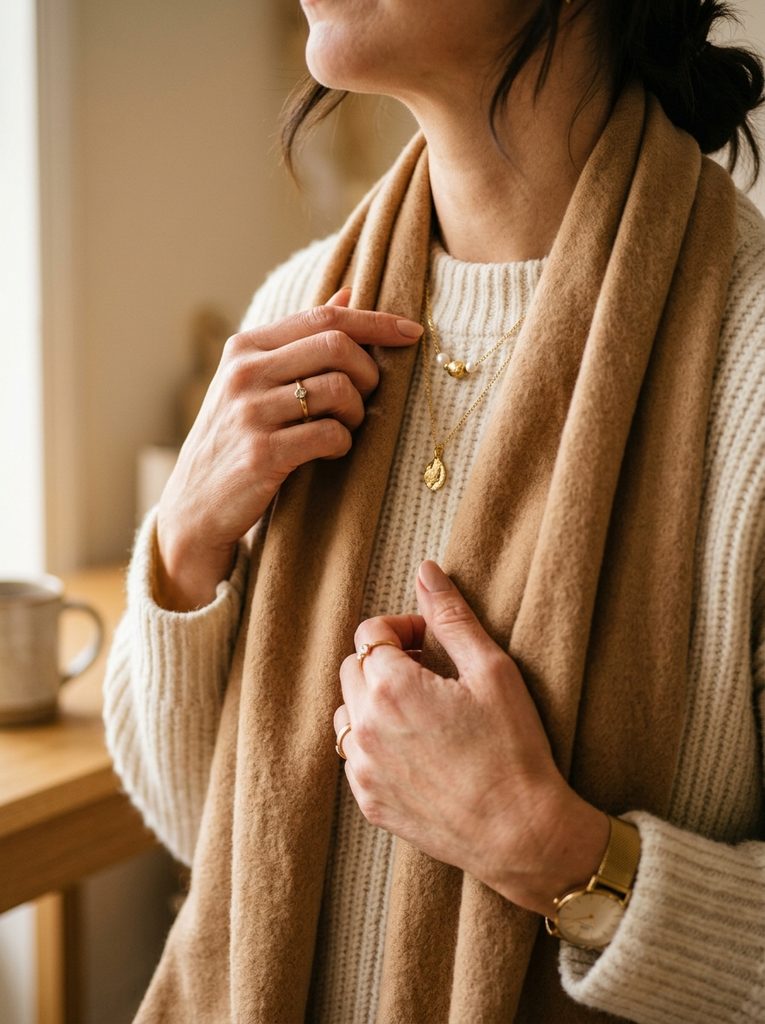
Accessories carry more of this weight than people tend to expect. A structured bag versus a soft one, gold jewelry versus silver, a scarf added or left off, each of these adjustments shifts an outfit’s mood enough that repeating the same base pieces rarely feels like repetition to anyone looking at the finished look. Nails and hand details matter here too, since a pared-back, quiet-luxury wardrobe like this one often reads more cohesive alongside simple, neutral nail styling rather than anything too bold.
Shoes are the other lever worth using deliberately. Ankle boots read differently from loafers, which read differently again from a low heel, and rotating even two or three shoe options across the same ten pieces of clothing changes the character of an outfit more than most people give it credit for.
Caring for Pieces That Get Worn This Often
A capsule wardrobe only holds up if the individual pieces hold up, and wearing the same ten garments repeatedly puts more strain on them than a larger, more varied closet would. A few habits make a meaningful difference over a full season.
Rotating pieces rather than wearing the same combination on consecutive days gives fabric time to recover its shape between wears, which matters especially for wool and wool-blend pieces. Brushing wool garments after wearing, rather than only when they look visibly worn, keeps surface fibers from matting down over time. For anyone unfamiliar with the specifics, the Woolmark Company’s care guidance covers washing, drying, and storage in more depth than most care labels allow for.
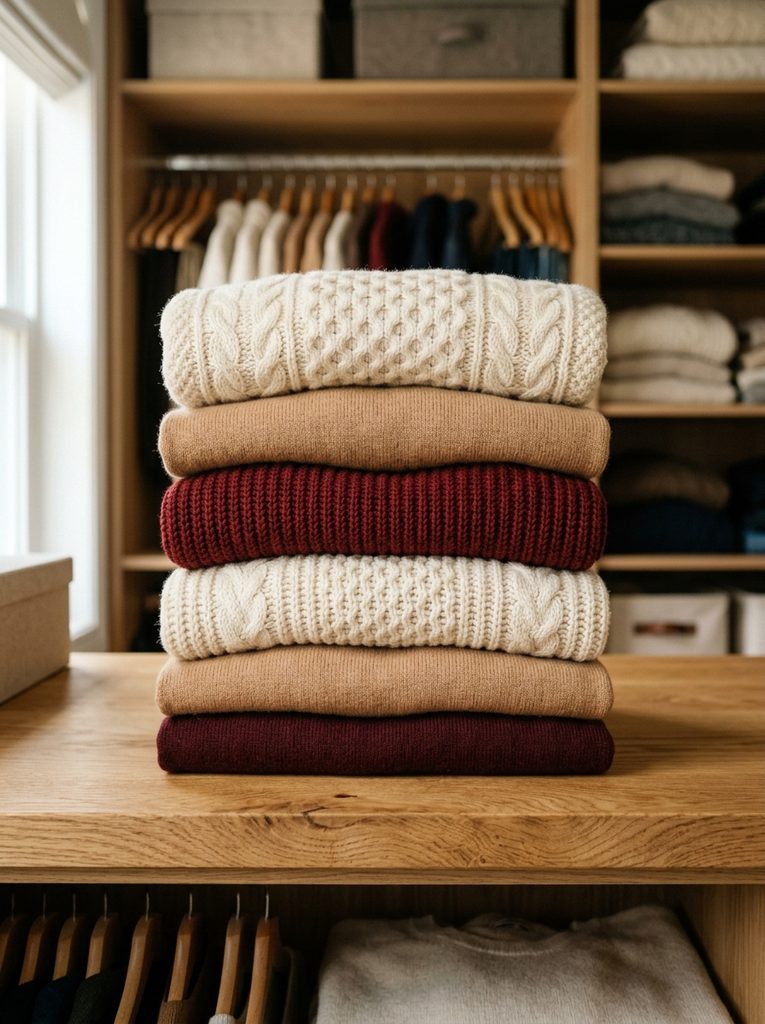
Storage matters more in a small wardrobe too. Folding knits rather than hanging them prevents stretching at the shoulders, and keeping the blazer and coat on proper hangers preserves their structure far longer than a crowded closet rod allows. None of this requires much extra time, but a wardrobe this deliberately built rewards the small effort more than a larger, more disposable one would.
There is also a financial logic worth acknowledging here, sometimes called cost per wear, where a well-chosen piece worn dozens of times ends up costing far less per outing than a cheaper item worn only a handful of times before it wears out or falls out of rotation. A capsule wardrobe built around genuinely repeatable pieces tends to perform very well by that measure, even when the individual price tags run higher than an equivalent fast-fashion haul.
Getting the Most Out of a Small, Deliberate Wardrobe
A ten-piece capsule wardrobe is not really about owning less. It is about owning pieces that were chosen to work with each other from the start, so that getting dressed stops being a daily negotiation between things that only sort of match.
The version outlined here leans on a warm neutral base, three deeper accent colors, and a deliberate mix of fabric weights, specifically because that combination produces outfits that hold up through an entire season without repeating in any way that actually reads as repetitive. For anyone building this out gradually, the full range of seasonal outfit ideas on the site offers more specific combinations to borrow from as the wardrobe comes together piece by piece.

Ella is a fashion and beauty writer who shares inspiring ideas about hairstyles, nail designs, wedding outfits, and seasonal fashion trends. She loves discovering fresh styles and creating…
View Author Profile →
6 Comments