

On this page
- Why Handbag Collections Get Crowded Without Feeling Complete
- The Core Sizes Worth Understanding
- Matching Bag Size to How You Actually Spend Your Day
- What Each Size Communicates Visually
- Body Proportion and Bag Size: A Practical Look
- The Overlap Trap: Owning Five Bags That Do the Same Job
- Building a Small Rotation That Covers Every Occasion
- Signs You Actually Need a New Size, Not Just Another Bag
- A Simple Way to Audit What You Already Own
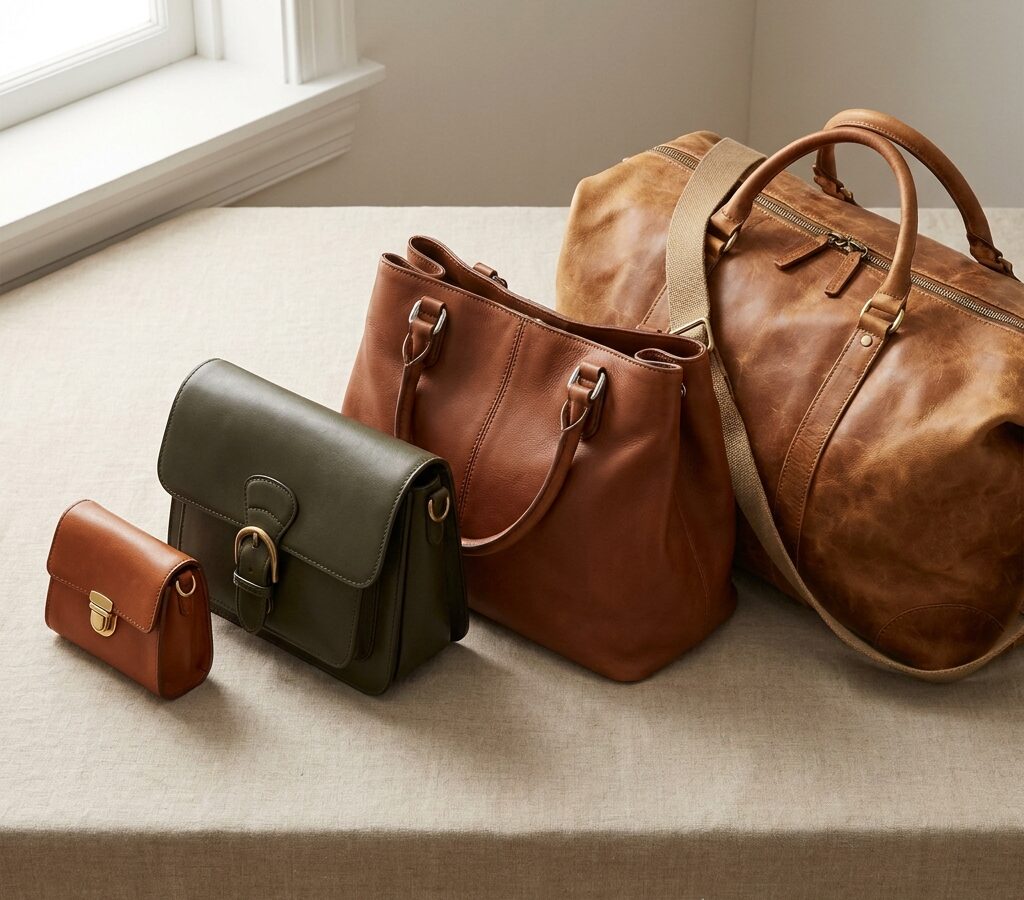
Most overflowing handbag collections did not happen on purpose. They happened one impulse buy at a time, usually because a new bag looked good online or matched a specific outfit, without much thought about whether it actually filled a gap in the rotation. The result is a shelf full of bags that mostly do the same job, while a genuinely useful size sits missing the whole time.
Size is the detail that gets skipped most often in this process, in favor of color, brand, or a passing trend. It is also the detail that determines whether a bag actually earns its place in daily use or ends up as a one-time purchase that never quite fits into a real routine. This guide breaks handbags down by size category, what each one is realistically good for, and how to figure out which sizes are worth having before adding another bag to the pile.
Why Handbag Collections Get Crowded Without Feeling Complete
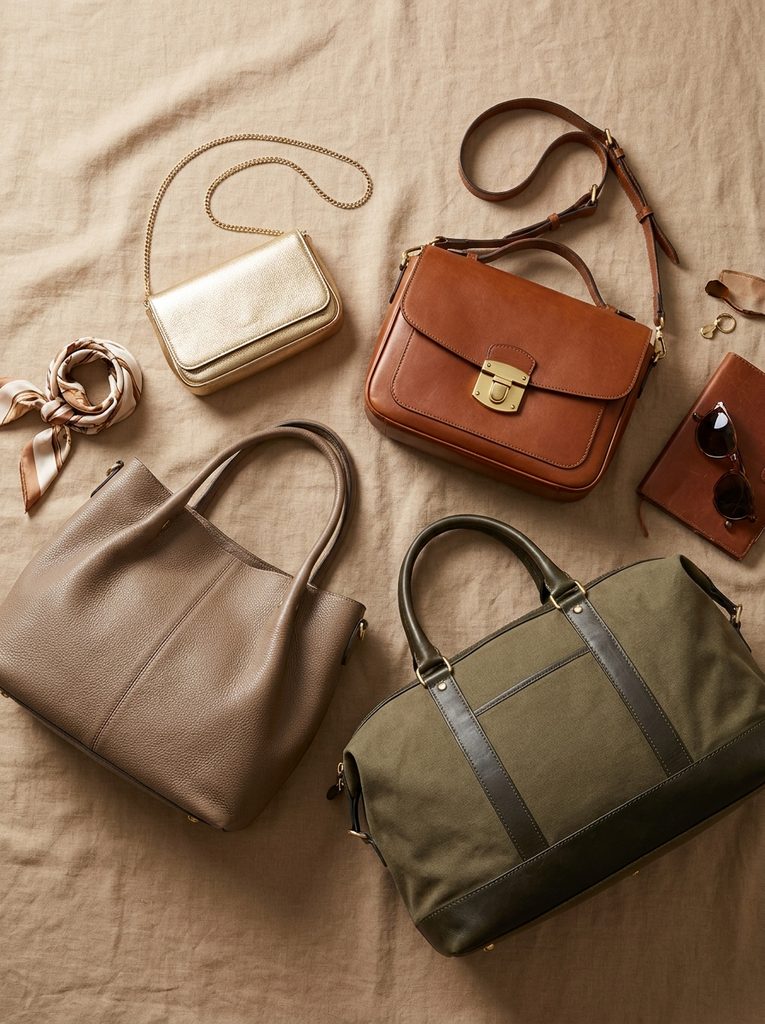
A closet can hold a dozen bags and still feel like something is missing, which usually means the collection is duplicated rather than diverse. Buying three mid-size shoulder bags in slightly different colors solves a styling preference, not a functional gap, which is why a wardrobe can feel simultaneously overstuffed and incomplete.
This tends to happen because most people shop for handbags the same way they shop for tops or shoes, by color and style first, occasion second. Size rarely enters the decision until a bag is already at checkout, and even then it is often judged by how it looks rather than how much it can realistically hold or how it will actually get used week to week.
Approaching handbags by size category first, then narrowing down color and detail within that category, tends to produce a more useful collection with far fewer bags overall.
The Core Sizes Worth Understanding
Handbag sizing does not follow a single universal standard, but most bags fall into a handful of practical categories based on what they can hold and how they are meant to be carried.
Micro and Mini Bags
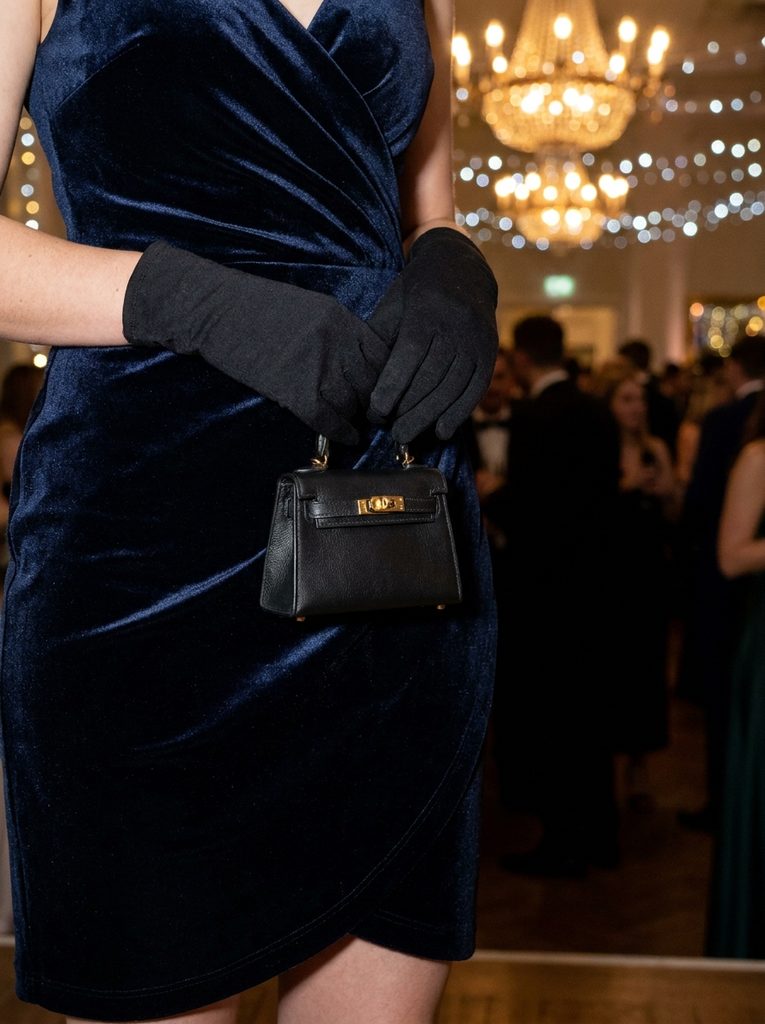
Micro and mini bags are built for occasions where carrying capacity matters less than the visual statement, typically holding a phone, a card case, and little else. These bags work well for evening events, cocktail parties, and any outfit where a larger bag would compete with the silhouette rather than support it. Their small scale also makes them a useful way to add a pop of color or texture to an otherwise simple outfit, since the bag itself becomes closer to a piece of jewelry than a functional accessory.
The tradeoff is obvious and worth acknowledging honestly. A micro bag cannot hold a wallet, a full set of keys, and a lipstick without becoming visibly overstuffed, which limits it to specific occasions rather than everyday use.
Structured Mid-Size Bags
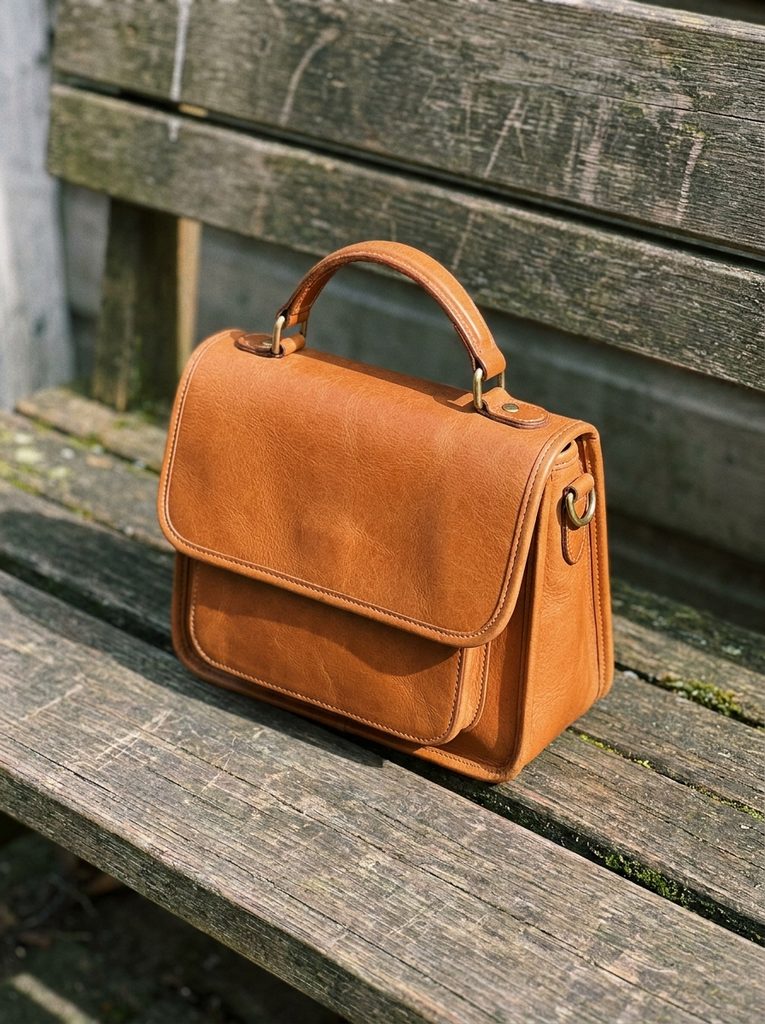
Structured mid-size bags, often shaped like a classic flap bag, a top-handle satchel, or a boxy crossbody, sit in the middle of the sizing spectrum and tend to be the most versatile category overall. They comfortably hold a wallet, phone, keys, sunglasses, and a few smaller items without becoming bulky, which makes them suitable for both daytime errands and evening plans with only a small adjustment in styling.
This category also tends to hold its shape well over time, since the structure itself does more of the visual work than the material draping naturally would. A structured mid-size bag in a classic shape and neutral color is often the single most cost-effective addition to a handbag rotation, precisely because it covers the widest range of occasions with the least compromise.
Everyday Totes and Shoulder Bags
Totes and larger shoulder bags prioritize capacity, built to carry a laptop, a water bottle, a change of shoes, or whatever else a full workday or errand list requires. This category tends to see the most consistent daily use of any handbag size, since it removes the need to think carefully about what does and does not fit before leaving the house.
The tradeoff here shows up in formality rather than function. A large tote reads as practical and put-together for work or daytime activities but can look oversized and slightly out of place at a dressier evening event, which is why most wardrobes benefit from having at least one smaller option alongside a daily tote rather than relying on the tote for every occasion.

Oversized and Weekend Bags
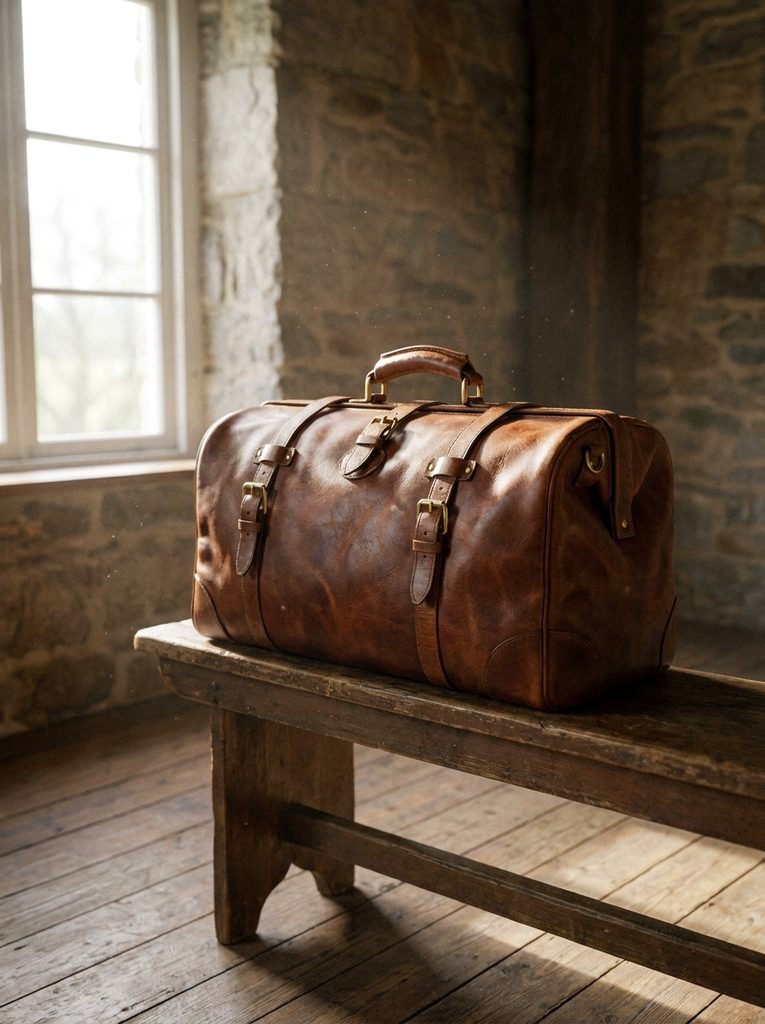
Oversized bags and structured weekend totes exist for a narrower set of situations: travel, overnight trips, or genuinely heavy carrying days that exceed what a standard tote comfortably holds. These bags prioritize volume above nearly everything else, often at the expense of a more tailored silhouette.
Because this category serves such a specific purpose, it is usually the size most people can own just one of, rather than needing multiple options in different colors or materials the way a mid-size or tote category might reward.
Matching Bag Size to How You Actually Spend Your Day
The most useful way to decide which sizes deserve a spot in a rotation is to work backward from an actual week, rather than from an aspirational one.
Someone commuting to an office with a laptop and a change of shoes needs a genuinely functional tote far more than a third mid-size bag in a different neutral shade. Someone who works from home and mostly leaves the house for errands, dinners, or social plans may find that a single structured mid-size bag and one evening-appropriate micro bag cover nearly everything, without a tote ever entering the rotation at all.
This kind of audit sounds simple, but most overcrowded handbag collections exist because this step got skipped in favor of buying whatever looked appealing in the moment. Thinking through an actual week, rather than a hypothetical one, tends to reveal gaps and redundancies far more clearly than browsing a store or a website ever will.
What Each Size Communicates Visually
Size affects more than function. It also shifts how an outfit reads overall, sometimes more than the bag’s color or material does.
A micro bag paired with an otherwise simple outfit reads as intentional and polished, since the small scale suggests the wearer does not need to carry much and has curated the outfit around that fact. A large, structured tote paired with the same simple outfit reads as practical and put-together in a different way, communicating competence and daily function rather than evening polish. Somewhere in between, a mid-size structured bag tends to read as the most neutral, adaptable option, since it does not lean strongly toward either impression.
This matters most when getting dressed for an event with some ambiguity, a work dinner, a daytime wedding, or a first meeting where the right visual impression is not obvious in advance. Choosing bag size with this kind of visual signaling in mind, rather than only thinking about what needs to fit inside, tends to produce a more cohesive overall look.
Body Proportion and Bag Size: A Practical Look
Bag size interacts with body proportion in a way that is worth considering separately from personal taste, since certain size and body combinations tend to look more balanced than others.
On a petite frame, an oversized tote or an extra-large shoulder bag can visually overwhelm the body, making the wearer look smaller by comparison rather than adding a sense of proportion. A mid-size structured bag or a slightly smaller tote tends to sit more comfortably on a petite frame, without the bag becoming the dominant visual element of the outfit.
On a taller frame, a very small micro bag can look disproportionately tiny, almost like an afterthought rather than an intentional accessory choice. Mid-size and larger bags tend to read as more balanced here, since they have enough visual weight to match the rest of the frame without looking out of place.
None of this is a strict rule, since personal style, comfort, and practical need often outweigh a general proportion guideline, but understanding why a size feels slightly off on a specific frame can help explain a nagging feeling that a bag never quite “worked,” even when the color and style were otherwise right.
The Overlap Trap: Owning Five Bags That Do the Same Job
One of the most common reasons a handbag collection feels bloated despite having plenty of options is that several bags in the rotation are functionally identical, just in different colors or slightly different finishes.
Five structured mid-size bags in black, brown, tan, navy, and burgundy might look like variety on a closet shelf, but they solve the exact same functional need five separate times. This is not inherently a problem if all five genuinely get worn in rotation, but it is worth being honest about whether that is actually happening or whether two or three of them sit unused while the same one or two get reached for consistently.
A more useful test than counting total bags owned is counting distinct functional categories represented. A collection with one reliable tote, one versatile mid-size bag, and one evening-appropriate micro bag covers far more ground than five bags that all fall into the mid-size category, even though the second collection technically contains more items.
Building a Small Rotation That Covers Every Occasion
A genuinely functional handbag rotation does not need to be large to cover nearly every situation a typical week or season might bring.
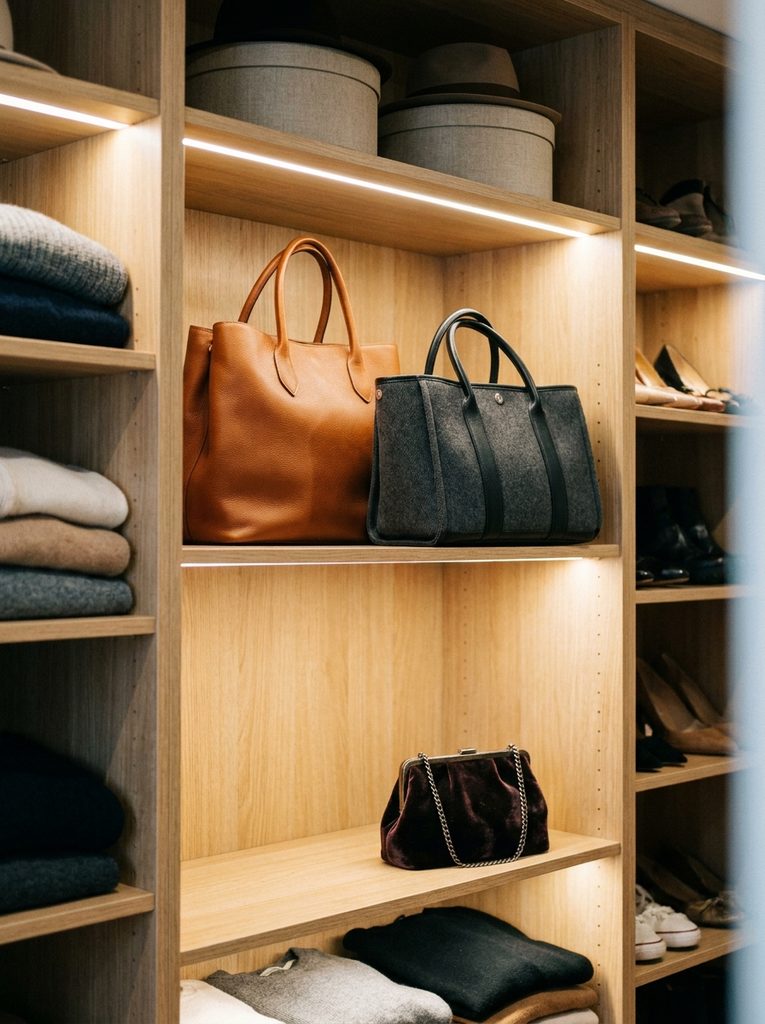
A practical starting point includes one everyday tote or larger shoulder bag for work and errands, one structured mid-size bag in a versatile neutral for daytime social plans and dinners, and one small evening bag, whether that is a true micro bag or a slightly larger clutch, for dressier occasions. From there, a second mid-size bag in a different color or texture, rather than an entirely new size category, tends to add the most genuine variety without duplicating a size that is already well covered.
Anyone building this kind of rotation as part of a broader capsule approach to getting dressed may find it useful to apply similar logic to the rest of the wardrobe, since the same principle, fewer pieces that each serve a distinct purpose, applies just as well to handbags as it does to clothing. The fall capsule wardrobe guide walks through this approach for a full seasonal wardrobe, and the underlying logic translates directly to how a handbag rotation gets built.
Signs You Actually Need a New Size, Not Just Another Bag
Before adding another bag to a collection, it helps to check whether the gap is genuinely a missing size category or simply the pull of a new color or trend.
A real gap tends to show up as a recurring, specific frustration: consistently needing to carry a laptop and not having a bag that comfortably fits one, or repeatedly wishing for something smaller for evening plans because every bag currently owned feels too bulky for a night out. These are functional gaps that a new size would genuinely solve.
A less genuine gap tends to sound more like general boredom with an existing bag or an isolated outfit that a current bag does not quite match. These situations are more often solved by working with what is already owned, styling an existing bag differently, or accepting a slight mismatch for one outfit, rather than by adding an entirely new size to the rotation. For work-specific styling questions in particular, the office outfit formulas guide covers how to make a smaller wardrobe and accessory rotation stretch further across a full work week, which applies to bags just as much as it does to clothing.
A Simple Way to Audit What You Already Own
For anyone unsure whether their current handbag collection actually needs a new size or just better organization, a short audit tends to clarify things quickly.
Lay out every bag currently owned and sort them into the four size categories described earlier: micro and mini, structured mid-size, everyday tote, and oversized or weekend. Note how many bags fall into each category, then think honestly about how often each individual bag actually gets used, rather than how often it theoretically could be used.
Categories with several bags that rarely get worn point toward a duplication problem rather than a true gap, while an empty or thin category, especially one that comes up repeatedly in daily life, points toward a genuine size worth adding. This kind of audit, done honestly and without attachment to how much was spent on any individual bag, tends to reveal that most overcrowded collections are missing far less than they appear to be. A single well-chosen tote, mid-size bag, or evening option often does more for a rotation than several bags that all solve the same problem in a slightly different color.
The goal is not to own as few bags as possible, but to make sure each one earns its place by covering a genuinely different part of daily life. A collection built this way tends to feel more complete with fewer pieces than a larger one built without much thought about size in the first place, and it also makes any future purchase easier to evaluate, since a clear gap is far simpler to shop for than a vague sense that something new might help. Understanding how bag size interacts with an actual weekly routine, an outfit’s visual balance, and body proportion together gives a much clearer starting point than browsing by color or trend alone ever could, and it tends to save both closet space and money over time.

Ella is a fashion and beauty writer who shares inspiring ideas about hairstyles, nail designs, wedding outfits, and seasonal fashion trends. She loves discovering fresh styles and creating…
View Author Profile →

5 Comments