
On this page
- What Balayage Really Changes on Brown Hair
- The Stopping Point: How Light Is Light Enough
- Warm Balayage Ideas for Brunettes
- Natural-Looking Balayage Ideas
- Low-Maintenance Balayage: What Actually Reduces Upkeep
- Pick by Starting Shade
- Placement Matters as Much as Color
- Warm Without Turning Brassy
- Words That Help in the Consultation
- Before You Book
Ask ten brunettes why they want balayage and most will not say they want highlights. They will say they want their hair to look a little brighter and a little richer, and still like their own. That small gap between “colored” and “natural” is where balayage earns its place.
The technique is simple to describe. A colorist paints lightener or color onto chosen sections by hand, usually in long sweeping strokes, instead of placing foils from root to tip. On brown hair, that freehand method leaves the roots alone and lets the brightness build toward the ends. The result grows out softly, which is why so many people with mid-level and dark hair choose it.
This guide skips the generic shade list. It works around three questions: how warm, how natural, and how little upkeep. Every idea below answers at least one of them.

What Balayage Really Changes on Brown Hair
The word comes from French and means “to sweep.” That is a fair picture of the process. Instead of a pattern of evenly spaced stripes, the colorist paints with the hand and the brush, so the lightest areas can sit exactly where light would naturally hit.
Brown hair has a lot of warmth built in. When it is lightened, it moves through shades of red and orange, then gold, then pale yellow. This is why brunette balayage looks warm by default. A colorist can either keep that warmth or tone it down, but the warmth is always part of the conversation.
So the real decision is not “which color.” It is “where on that scale should the hair stop.” Stopping at deep amber looks very different from stopping at soft gold, even though both come from the same base. L’Oréal Paris explains the technique in more detail if you want a visual overview of the variations.

The Stopping Point: How Light Is Light Enough
Most people judge balayage by color names. Colorists tend to think in levels, which describe how light or dark a shade is. The gap between your natural level and the lightest point of the balayage decides how the whole look reads.
A rough way to picture it:
- One to two levels lighter: The hair looks like it has been in the sun a little. Most people will not notice color was added.
- Three levels lighter: The brightness is clear, but it still feels like a version of your own hair.
- Four levels or more: The contrast is obvious. It can look striking, yet it usually needs more toning and more frequent visits.
This also explains why low-maintenance balayage almost always stays in the first two groups. A small jump from the natural shade is easier to grow out, easier to tone, and less likely to look uneven as it fades.
Nothing says brighter is wrong. It simply asks for more care, so it helps to choose the stopping point with your schedule in mind, not only your inspiration photos.

Warm Balayage Ideas for Brunettes
Warm tones suit brown hair because they work with what is already there. Here are six ways to use them, from soft to more noticeable.
Honey Ribbons on Medium Brown
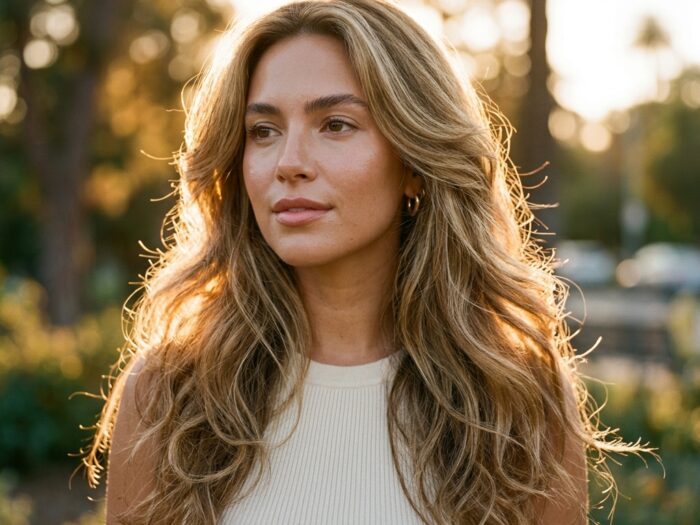
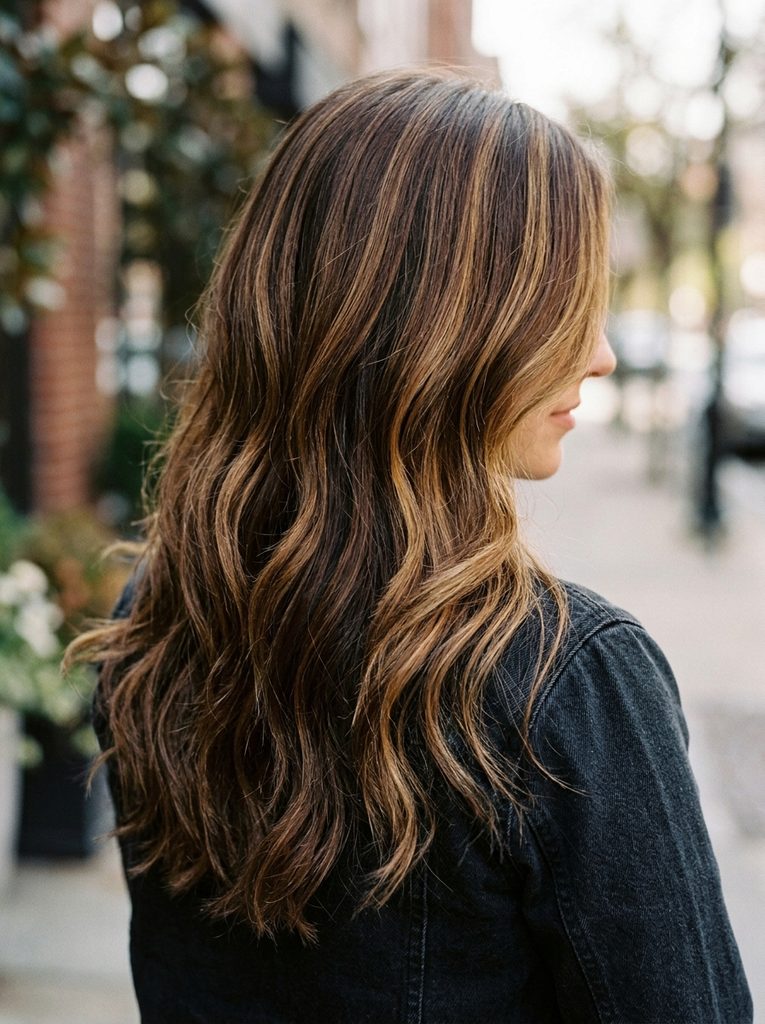
Honey ribbons are thin to medium strands of golden brown woven through the mid-lengths and ends. They are not stark. They look like the hair has a few naturally lighter pieces that catch the light when you move.
This idea works well for medium brown hair because the lift needed is modest. It also keeps the roots in their natural shade, so there is no clear line to fix later. If you want a first balayage that feels safe, this is a sensible place to start.
Toasted Caramel Melt
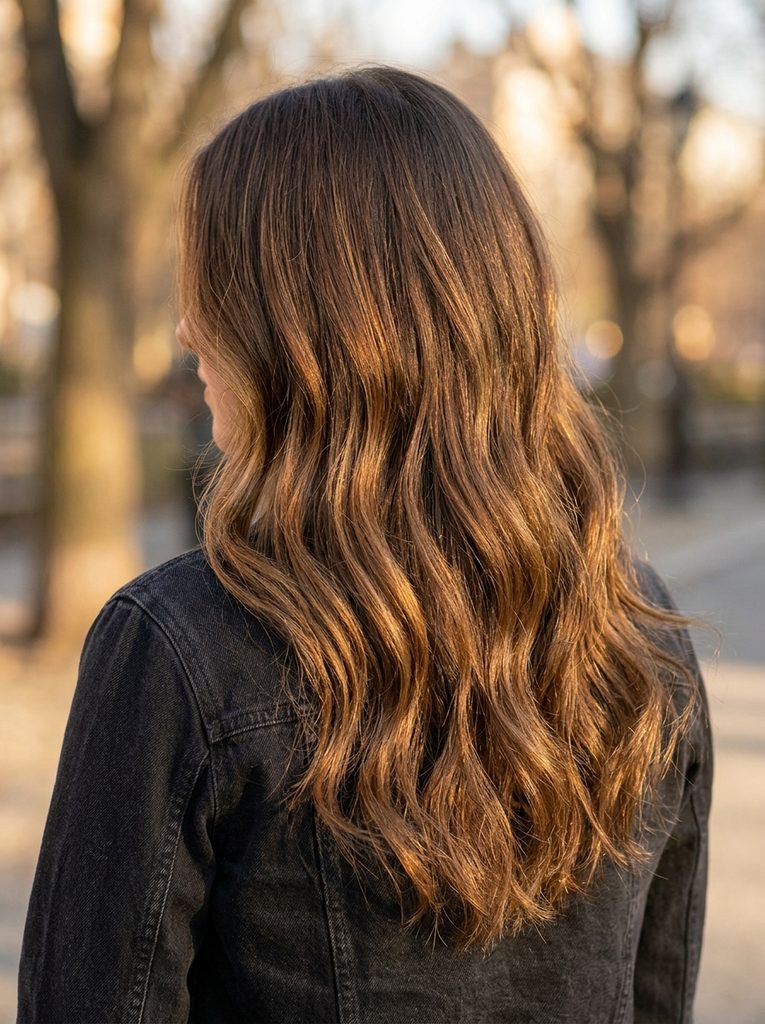
Toasted caramel sits between golden and brown, with a slightly deeper tone than honey. The “melt” part refers to how the color blends from the root into the lighter ends with no visible stopping point.
It flatters people who like warmth but do not want anything close to blonde. On long hair, the effect shows most below the shoulders, where the strands separate in loose waves.
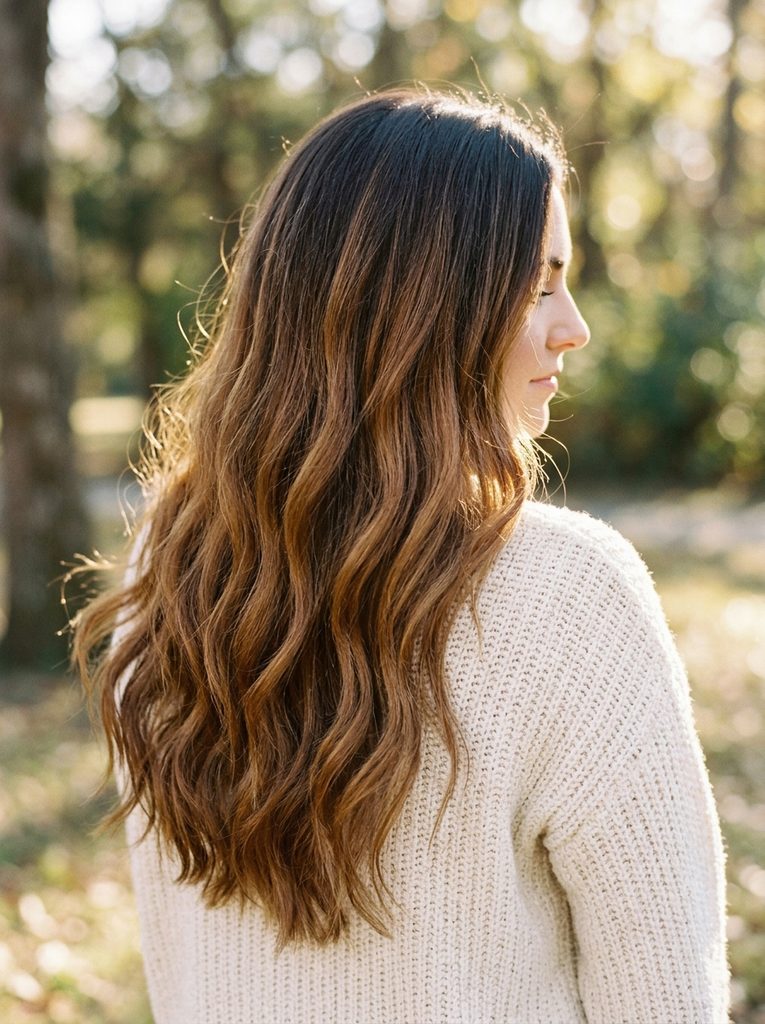
Amber Glow on Dark Brown
On very dark brown hair, a small amount of amber can look rich and expensive. Amber has a hint of red and orange, so it glows more than it brightens. In sunlight, it can look like a warm reflection instead of a highlight.
Because dark hair needs more lightening to show any change, the colorist may keep the lift modest and rely on a gloss to add shine. The finished look is subtle but clearly different from a flat, single-color brown.
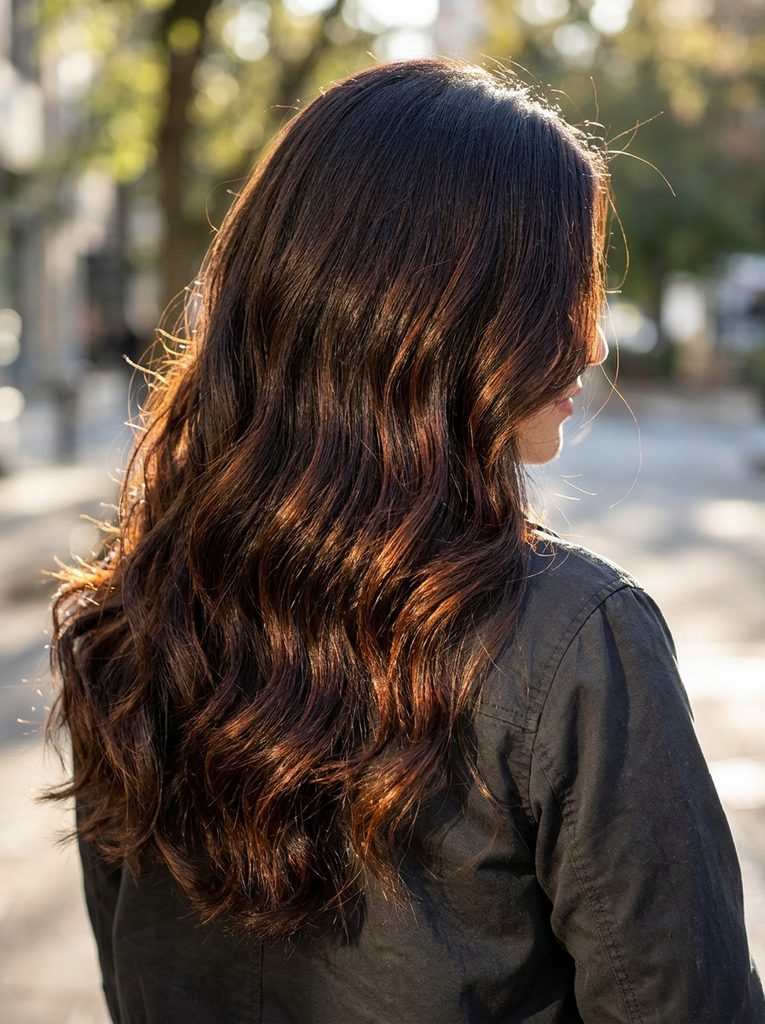
Chestnut With Golden Threads
Chestnut is a reddish brown with a soft warmth, and a few fine golden threads on top make it look dimensional. This idea is good for people who want the look of natural variation, such as hair that has several tones within a single shade.
The threads are thin on purpose. When they are kept small, the overall color still reads as chestnut, which also makes the grow-out gentle.
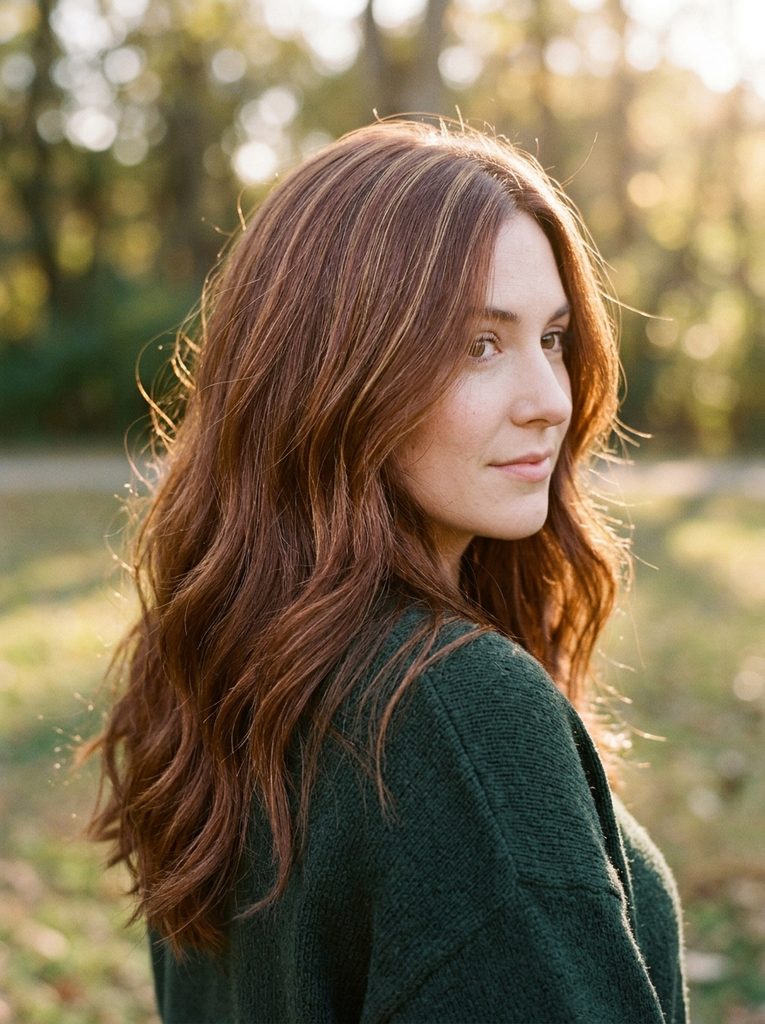
Mocha With a Bronze Sheen
Mocha is a cool-leaning dark brown, and bronze adds a metallic warmth over the top. The sheen is subtle and mostly shows when light moves across the hair, so it can look different at noon and at dusk.
This combination suits people who like brown hair but want to avoid anything that looks sweet or sunny. It is closer to polished than to beachy.
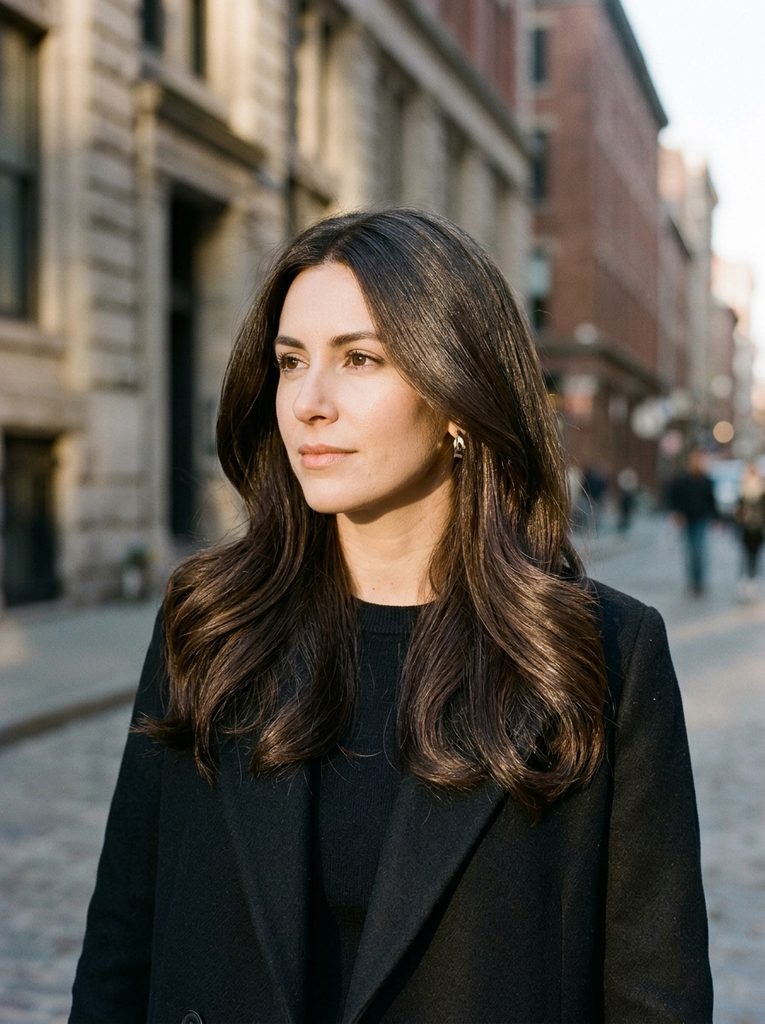
A Touch of Copper Around the Face
Copper does not have to cover the whole head. A few copper-toned pieces around the face can warm the complexion without committing the rest of the hair to a bold shade. Keep the tone soft and slightly brownish, since very bright copper tends to fade faster and may need more regular refreshing.
For deeper seasonal browns and reds, the fall and winter hair color guide covers shades that pair well with the warmer end of balayage.

Natural-Looking Balayage Ideas
Some people want balayage that nobody can spot. These ideas lean on placement more than on color.
Face-Framing Only
Instead of coloring the whole head, the colorist lightens only the pieces around the face. This is quick, uses little product, and frames the features with a soft glow. It also leaves most of the hair untouched, which makes it a low-commitment way to try the technique.

Ends-Only Sun Kiss
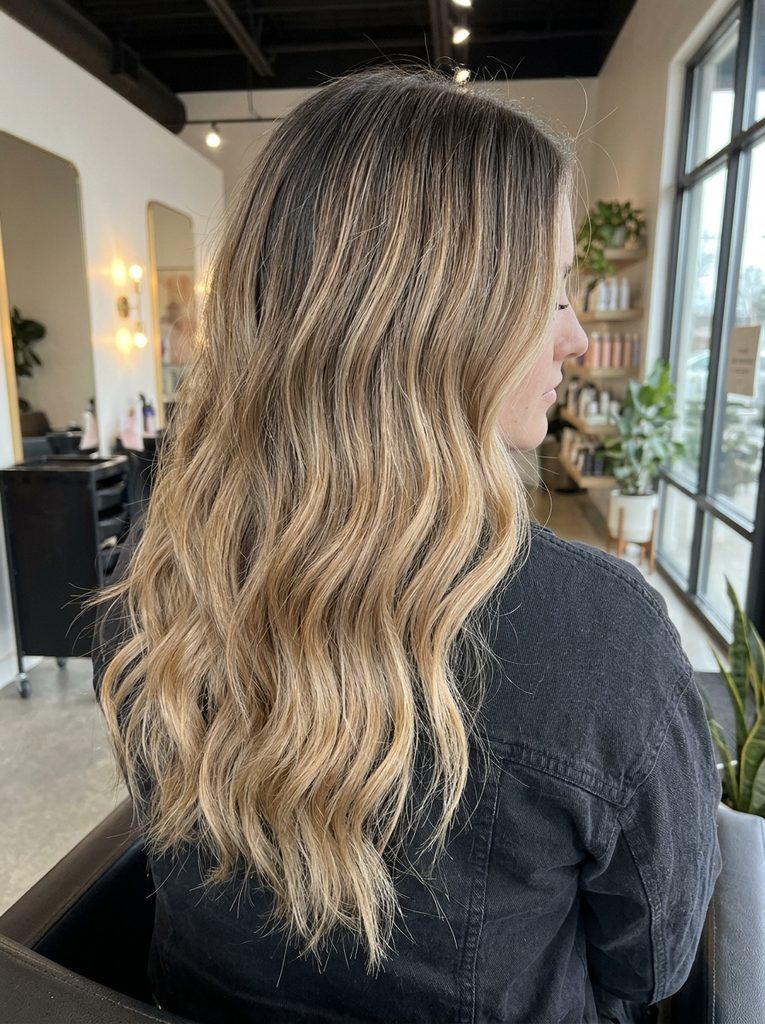
Here, the lightest color starts around the mid-lengths and strengthens toward the tips. The upper half of the hair stays natural. It copies the way hair lightens in the sun, since the ends have been exposed longest. This works nicely on long hair and on straight hair, where the gradient is easy to see.

Root Smudge With Soft Lift
A root smudge means the colorist blends a shade close to the natural color into the root area so there is no hard transition. It softens the start of the balayage and makes regrowth far less noticeable. It is a small step with a big effect on how the color ages.
Peekaboo Under-Layer
The lightest pieces sit underneath, in the hair beneath the top layer. When the hair is down, the color is mostly hidden. When it moves or goes up in a ponytail, the brighter sections appear. It is a clever option for workplaces or routines where subtlety matters.

Highlight and Lowlight Mix
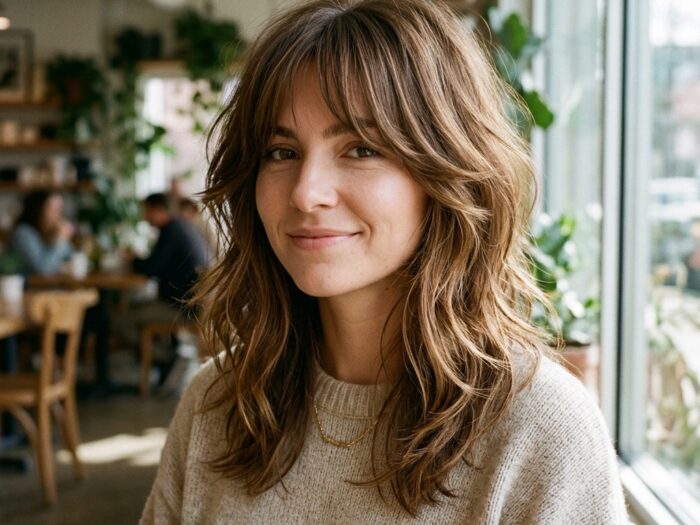
Adding a few deeper pieces between the lighter ones stops the color from looking flat or too bright. Lowlights give the highlights something to stand against, which makes the whole thing look more like natural variation. They also make the grow-out gentler, since the contrast is spread across the hair.
Low-Maintenance Balayage: What Actually Reduces Upkeep
Low-maintenance does not mean no maintenance. It means the color looks good for longer and fades in a flattering way. A few choices make the biggest difference.
- Keep the root close to natural. A smudged or shadowed root hides regrowth for months. A bright root does the opposite.
- Limit the level jump. The less the hair is lightened, the less obvious fading or brassiness will be.
- Choose warm over cool. Warm tones such as honey, caramel, and amber hide fading well. Cool ash tones tend to show it sooner and need regular toning.
- Spread the brightness out. Many fine pieces blend better than a few chunky ones, so fading looks even.
- Add a gloss when needed. A gloss is a light, semi-permanent color treatment that refreshes tone and shine without another full lightening session.
As for timing, plenty of people with soft, root-smudged balayage go several months between full sessions, while brighter looks may need more frequent visits. The right schedule depends on hair growth, how close the color is to your natural shade, and how the tone holds. Your colorist can give a realistic estimate once they see your hair.
Pick by Starting Shade
Your natural shade sets the range of what is realistic in one visit.
Light Brown
Light brown has the most flexibility. A small lift can produce golden, honey, or soft bronde effects without much stress on the hair. Because the starting point is already close to those shades, the color tends to look natural and grows out smoothly.
Medium Brown
Medium brown is the classic balayage base. It can move toward caramel, toffee, or honey in a single session. If you want something very bright, it may take more than one visit, but most warm looks are achievable without much trouble.
Dark Brown to Near Black
Dark hair needs more lightening before any warm tone appears, so the process takes longer and asks for more care. Realistic goals include amber, mocha, bronze, and deep caramel. Going much lighter is possible but is often done in stages to protect the strands.
If you have previously colored hair, tell the colorist. Old dye can lift unevenly, and the plan may change.
Placement Matters as Much as Color
Two people can request the same shade and walk out with very different results because the placement is different. A few matches worth knowing:
- Long layers: Balayage shows best here because the hair separates and the color moves. The butterfly cut guide touches on how soft color helps layers stand out.
- Blunt cuts and bobs: The color should be softer, with less contrast, since there is less length to hide a gradient. For shorter styles on thin strands, the bob haircut ideas for fine, flat hair pair well with a light touch of dimension.
- Straight hair: Stripes can show more clearly on straight hair, so a smoother blend is better.
- Wavy and curly hair: The color naturally looks softer here, because the curl pattern breaks up any hard lines.
Everyday styles matter too. Loose waves, braids, and low buns reveal different pieces of color, and the easy long hairstyles for busy mornings show a few ways to wear long hair that keep the color visible.
Warm Without Turning Brassy
Warm and brassy are not the same thing. Warm tones look intentional and glossy, such as honey or amber. Brassy tones look flat, orange, or yellow, and they usually appear when lightened hair loses its toner or is exposed to sun, heat, or minerals in water.
On brunettes, the unwanted tone is often orange or copper. A blue-based toning product tends to counter orange, while a purple one counters yellow. Many colorists suggest using these only occasionally, since overuse can leave hair looking dull or slightly muddy.
A few small habits help hair stay warm and glossy:
- Use a sulfate-free shampoo and a conditioner made for colored hair.
- Wash with lukewarm water, not hot.
- Apply a heat protectant before blow drying or flat ironing.
- Ask about a gloss between appointments to keep the tone fresh.
- Cover hair or use a protective spray in strong sun or chlorinated pools.
For more brunette ideas and maintenance product suggestions, L’Oréal Paris has a brunette hair color guide that covers a range of finishes.
Words That Help in the Consultation
Photos help, but words help more. A colorist can read an inspiration picture in several ways, so a few clear phrases keep both sides on the same page.
- “Lived-in”: This tells the colorist you want soft blending and no obvious start or end.
- “Root smudge” or “shadow root”: This asks for a natural-looking transition at the top.
- “Golden, not yellow”: This describes the tone you want and what to avoid.
- “Close to my natural level”: This signals you want a small lift and easier upkeep.
- “How will this grow out?”: This question gets an honest answer about regrowth.
- “What will it need at home?”: This reveals the true level of daily care.
It also helps to mention how often you realistically plan to return to the salon. A good colorist will adjust the plan to match, since a look that needs frequent visits is not a good fit for someone who prefers fewer appointments.
Before You Book
Balayage works best when it is chosen with a purpose. If you want warmth, pick tones that sit close to your natural brown. If you want it to look natural, ask for soft placement and a smudged root. If you want it to last, keep the lift small and plan a gloss.
A useful way to decide is to picture the hair three months from now. Does the color still look good with some regrowth and a little fading? If yes, the plan is probably sound. If not, a softer version may suit your routine better.
Bring two or three photos, describe the effect in your own words, and let the colorist suggest how to get there with your hair. The best results usually come from that mix of clear goals and professional judgment.

Ella is a fashion and beauty writer who shares inspiring ideas about hairstyles, nail designs, wedding outfits, and seasonal fashion trends. She loves discovering fresh styles and creating…
View Author Profile →