

On this page
- What “Soft” Actually Changes
- Why Medium Length Gives Layers Room to Work
- The Layer Map: Three Zones to Plan
- Fringe Options That Suit a Soft Shag
- Soft Shag Ideas by Hair Type
- Color That Keeps a Shag Soft
- A Five-Minute Styling Routine
- Keeping It Going on Day Two and Three
- Keeping the Shape Between Trims
- Common Soft Shag Missteps
- Questions to Settle Before Booking
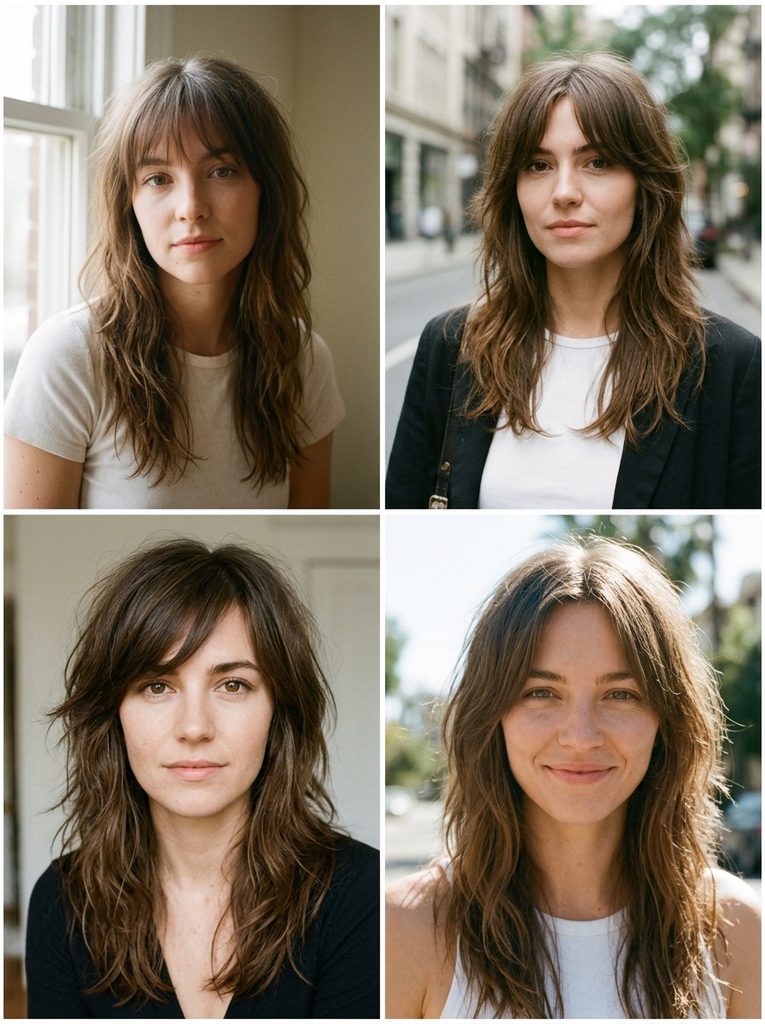
A soft shag on medium-length hair sits in a useful spot. It has enough layers to show movement, and it keeps enough length to tie back on a rushed morning. That balance explains why soft shag haircuts for medium-length hair come up so often when people want a change that isn’t dramatic.
The word “soft” matters here. A shag can be choppy and sharp, or it can be blended and airy. This guide focuses on the blended kind. It covers what makes a shag soft, where the layers should sit at shoulder length, which fringe options pair well, and how to style and maintain the cut once you have it.
What “Soft” Actually Changes
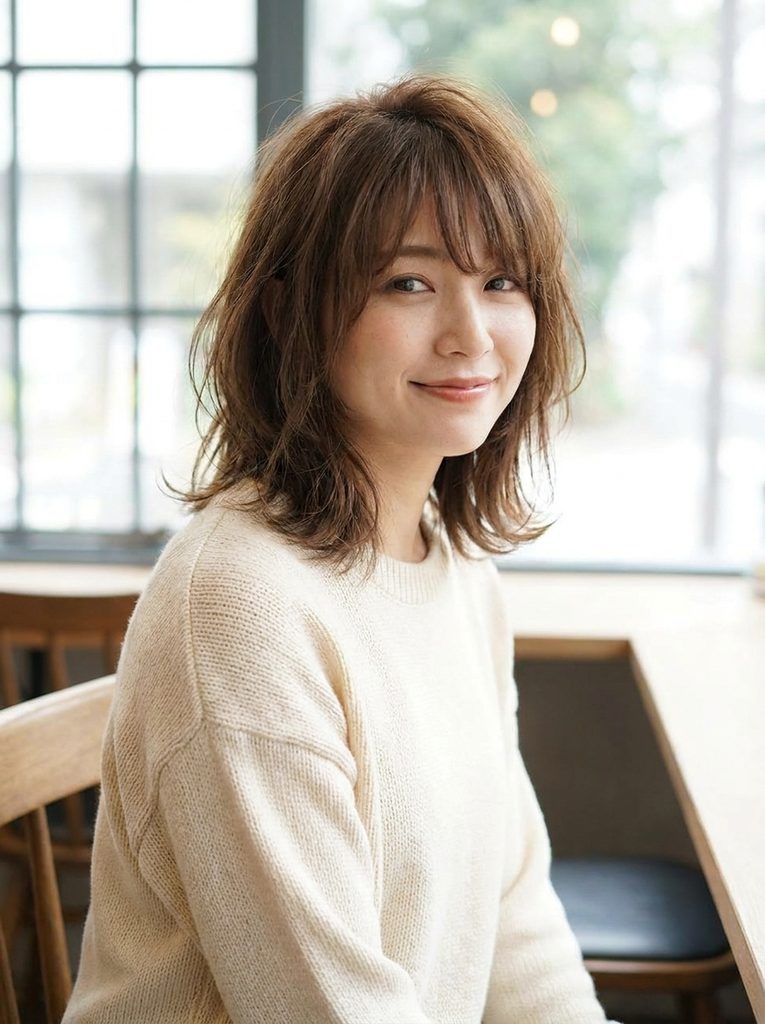
Most shag photos look similar at a glance, but small cutting choices separate the soft versions from the harder ones. Four details do most of the work:
- Blended layers: Each layer connects to the next instead of dropping in obvious steps.
- Tapered ends: The ends are point cut or lightly thinned, so they look wispy rather than blunt.
- A rounded outline: The overall shape curves, without a jagged or triangular edge.
- A gentle crown: There is lift at the top, but not a tall, puffed shape.
A harder shag leans on visible separation and heavy texture. A soft one leans on movement. The difference shows most when the hair is air dried. Soft layers fall into a loose shape, while sharper layers can look uneven without styling.
If you want something more open and dramatic, the butterfly cut covers layered shapes with stronger face-framing. This article stays on the calmer end.

Why Medium Length Gives Layers Room to Work
Layers need space. On short hair, they stack closely and can look choppy. On very long hair, the weight of the length can pull them flat, so the movement gets lost near the ends.
Medium length, roughly between the shoulders and the collarbone, avoids both problems. It leaves room for lift at the crown, bend through the middle, and a light flick at the ends. Sam Villa describes a soft, lived-in shag for medium-length hair built around texture and volume, which shows how well the length suits the cut.
There is a practical side too. A medium shag grows out more gracefully than a short one, since the layers don’t lose their shape quickly. It also still goes into a clip or low ponytail when needed. That makes it a sensible first shag for someone who isn’t sure about the commitment.

The Layer Map: Three Zones to Plan
It helps to think of a medium shag as three zones. Each zone has its own job, and a clear plan for each makes the final shape easier to predict.
The crown. These are the shortest layers, and they create lift. In a soft shag they stay close in length to the hair below, only slightly shorter. If the crown layers are cut too short, the result can look puffy or turn into a mullet shape. Keeping them modest gives volume without a sharp edge.
The mid-lengths. This zone creates most of the visible movement. Face-framing pieces usually begin somewhere between the cheekbone and chin, then curve into the longer layers behind. The curve matters more than the exact starting point. A smooth, rounded transition looks soft, while an abrupt jump looks choppy.
The ends. Here the aim is lightness without losing weight. Tapering the ends keeps them from looking heavy, but removing too much makes them see-through. The outline should still read as a clear shape, with the length resting near the shoulders or just below.
One more idea helps: interior layers versus surface layers. Interior layers remove bulk from inside the hair, so it moves more freely. Surface layers show on the outside and create the visible shape. Soft shags often use more of the first kind, which keeps the outside looking smooth.

Fringe Options That Suit a Soft Shag
The fringe changes the mood of the whole cut. Four versions work well with soft layers:
- Wispy fringe: Light, slightly see-through bangs that sit near the brow. They add a hint of texture without covering the forehead.
- Curtain fringe: Parted in the middle and swept to each side, blending into the face-framing layers. This is the most common pairing, and it grows out smoothly.
- Side-swept fringe: Longer pieces that angle across the forehead. It suits anyone who prefers an off-center part.
- No fringe: Longer face-framing layers that start around the cheekbones. This keeps the shag feeling relaxed, and it avoids the upkeep of a short fringe.
A fringe usually needs trims more often than the rest of the cut, so it is worth thinking about how much upkeep you want. The no-fringe version asks the least.
Soft Shag Ideas by Hair Type
The same cut behaves differently depending on what the hair does naturally. These starting points can help when planning the details.
Fine, Straight Hair
Fine hair can lose body if the layers are too short or too many. Keeping the layers longer and softer, with most of the movement near the face, tends to look fuller. Light interior layering works better than heavy thinning. For more ways to add body, long hairstyles that make thin hair look fuller is a useful companion read.
Wavy Hair
Wavy hair often suits a shag best, because the layers support the wave pattern instead of fighting it. The layers help the waves separate and bounce, so the hair looks lighter. A light cream or mousse is usually enough to define the pattern.
Curly Hair
Curls shrink as they dry, so layers can end up shorter than expected. Many people choose a cut done on dry hair, since it shows the true shape of each curl. Keep the outline round to avoid a triangle shape, where the sides spread wider than the top. American Salon has a tutorial on a long-layered shag for medium-length hair that gives a sense of how the shape is built.
Thick, Heavy Hair
Thick hair can handle more layers, but it can also become bulky at the sides. Removing weight from the interior and keeping some length in the layers helps the shape stay balanced. Without that, a shag can look wide and boxy instead of soft.

Color That Keeps a Shag Soft
Layers already create dimension, so color works best when it supports them instead of competing. Low-contrast color tends to look the most natural on a soft shag. A root smudge, a gentle balayage, or a tonal gloss adds depth without drawing hard lines across the layers.
Very strong stripes can make the cut look busy, since the eye reads each layer as a separate band. A single flat, dark shade can do the opposite, hiding the layers entirely. Something in between usually shows the movement best.
If you are planning a color change alongside the cut, hair colors for fall and winter lists tones currently in rotation. Face-framing pieces a shade lighter can also highlight the shortest layers around the face.
A Five-Minute Styling Routine
A soft shag is meant to be low effort, but a short routine keeps the shape consistent. Here is a simple version:
- Towel dry gently. Squeeze the water out instead of rubbing, which can roughen the layers.
- Add a light product. A small amount of mousse or cream, worked through the mid-lengths and ends, is enough for most hair.
- Rough dry with your fingers. Lift at the roots as you go, so the crown holds some shape.
- Choose a finish. Diffuse for waves, or use a round brush on the front sections for a smoother bend.
- Add a little texture. A light texture spray at the ends, then shake the hair out and leave it alone.
Over-styling is the usual problem. The cut looks best with some looseness, so a few uneven pieces are part of the appeal, not a mistake.

Keeping It Going on Day Two and Three
Soft layers can go flat by the second day, though a quick refresh usually brings them back. A little dry shampoo at the roots adds lift. A light water mist and some scrunching revives wave pattern. Flipping the hair upside down and shaking it out also helps the crown.
When the layers are tired or you want the hair off your face, a simple clip works well with this length. Easy long hairstyles for busy weekday mornings has quick styling ideas that can be adapted to medium hair as well.
Keeping the Shape Between Trims
Layers lose their shape as they grow. The crown drops first, which reduces lift, and the face-framing pieces start to hang straight. Many people book a trim every couple of months to keep the outline fresh, though the right schedule depends on how fast your hair grows.
A fringe needs attention sooner. A quick tidy between full appointments keeps it from sitting in the eyes.
Daily habits help too. Heat protection reduces dryness at the ends, which can make tapered layers look frayed. Heavy oils and thick creams can weigh the layers down, so a lighter touch usually works better.
Common Soft Shag Missteps
A few patterns tend to cause disappointment:
- Too many layers on fine hair. The ends can look sparse and the volume can disappear.
- Over-texturizing. Heavy thinning makes the ends see-through and the hair frizzy.
- Choosing the crown length too short. This creates a puffy top that is hard to style.
- Copying a photo without matching the hair type. A shag that looks soft on wavy hair may look limp on straight hair.
- Skipping the dry check. Layers can look different once the hair is dry, so it helps to see how they fall before leaving.
Questions to Settle Before Booking
A soft shag is flexible, but a few questions make the choice easier:
- How much time do you want to spend styling most mornings?
- Do you want a fringe, or would face-framing layers be enough?
- Is your hair fine, thick, wavy, or curly, and how does it behave when air dried?
The answers shape the details. Someone with fine, straight hair might choose longer layers and a light fringe. Someone with thick waves might want more interior thinning and a no-fringe version.
Start with a soft version, give the layers a couple of weeks to settle, and adjust from there. A good soft shag should feel easy on an ordinary Tuesday, and that is usually the best sign it fits.

Ella is a fashion and beauty writer who shares inspiring ideas about hairstyles, nail designs, wedding outfits, and seasonal fashion trends. She loves discovering fresh styles and creating…
View Author Profile →