

On this page
- Why Fall and Winter Color Feels Different
- Warm Brunettes and Rich Espresso Tones
- Wine, Mulled Wine, and Other Deep Reds
- Copper, Auburn, and Warm Orange Tones
- Blondes That Lean Cool or Glow Warm
- Gray Blending and Natural Color
- Matching a Shade to Your Skin Tone
- Choosing Between Salon and At-Home Color
- Maintaining Fall and Winter Color
- Styling Your New Color
- Building a Seasonal Look Around Your Hair
- Final Thoughts
-
Frequently Asked Questions
- What is the most popular hair color for winter 2027?
- Which fall colors suit people with cool undertones?
- Can I go from dark brown to copper in one appointment?
- How often do I need to refresh a deep red or wine shade?
- Is gray blending a good option if I have only a little gray?
- How can I keep my hair color from fading in winter?
Every autumn, a familiar cycle starts. Summer highlights look tired, the sun is lower, and the mirror begins to suggest that the hair needs a change. The impulse is understandable. Color shifts how a face reads in cooler light, and it can make a wardrobe of camel, charcoal, and deep green feel more connected.
This season, the palette leans toward depth and warmth, with a few cooler, quieter tones alongside them. Colorists quoted in recent fashion coverage describe a move away from flat, inky shades and toward glossy, dimensional results. Below is a guide to the main directions for fall and winter 2027 how to match them to your own coloring, and what each one asks of you in the salon and at home.

Why Fall and Winter Color Feels Different
Color behaves differently when the days shorten. Indoor lighting is often warm and yellow, while winter daylight is pale and blue-grey. A shade that glows in July can look flat or harsh in December, and a deep shade that feels heavy in August can suddenly look rich and expressive.
Seasonal color also affects the rest of your look. Many people wear more dark and textured clothing in cooler months, and that can change how a bright or very light hair color sits next to the face. Choosing a shade with the same temperature as your wardrobe usually makes both look more intentional.
There is a practical side too. Fall and winter appointments are often a good time to set a base for the rest of the year, since you can grow out a deeper or warmer shade gradually as the days lengthen.
Warm Brunettes and Rich Espresso Tones
Brown has been one of the strongest families of color for this season, and it comes in several versions.
Velvet Espresso
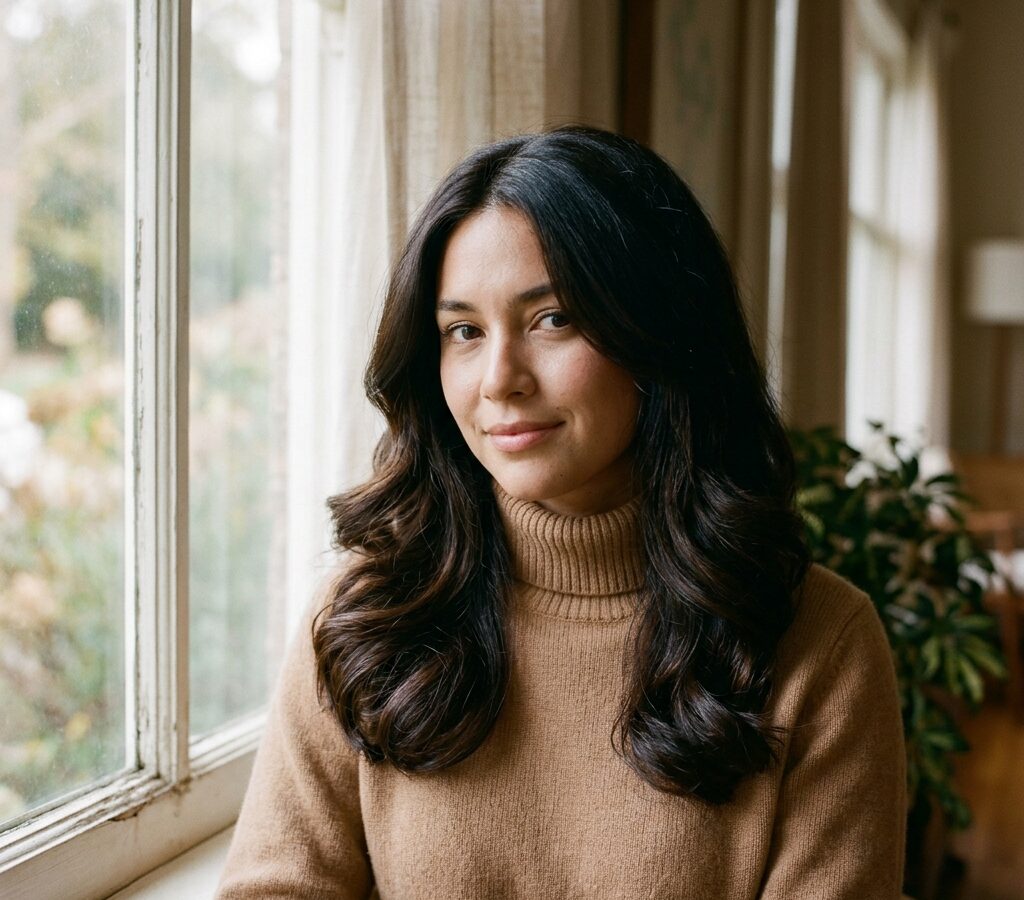
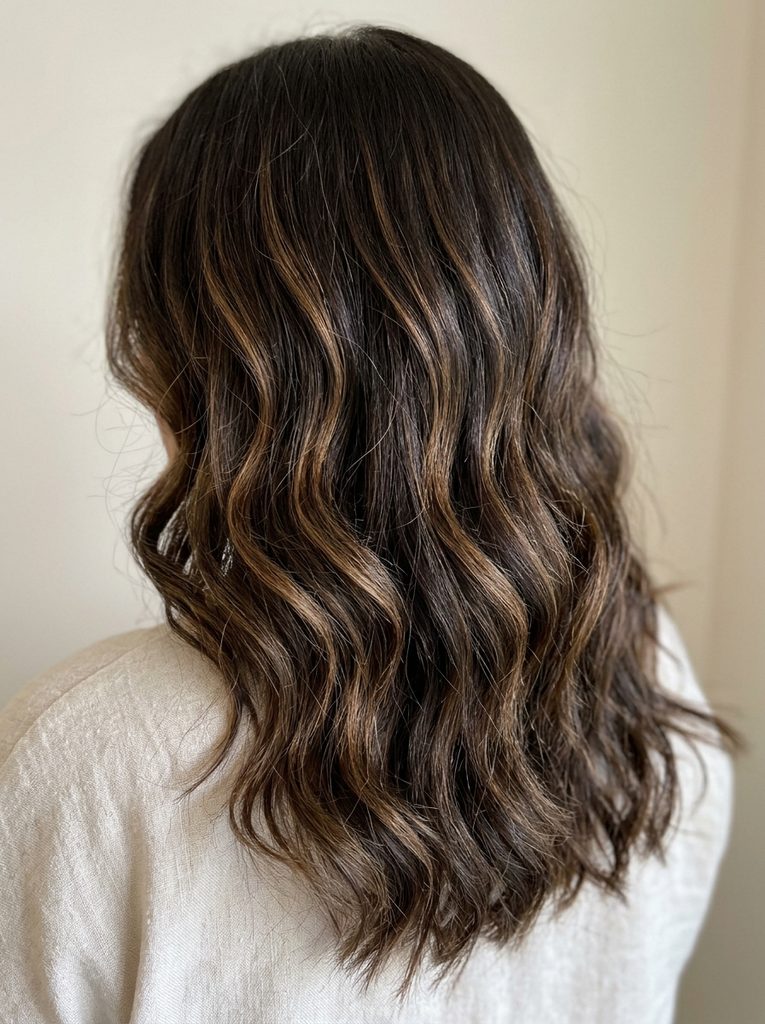
Velvet espresso is a deep brown with a soft, glossy finish. Rather than reading as black, it has enough warmth to look dimensional in both natural and indoor light. It suits brunettes who want a noticeable change without a dramatic jump in darkness.
Ask your colorist to keep the shade slightly lighter at the ends than at the root if you want movement and a softer grow-out. A gloss treatment between full color appointments can keep the surface looking reflective, which is often what gives this shade its luxurious quality.
Midnight Espresso
Midnight espresso goes deeper, with a cool undertone that sits close to black without being flat. It is often described as more dimensional than inky black, and it tends to look best on people with cool or neutral skin tones. Those who already have very dark hair may find it the easiest to achieve.
Be aware that very dark shades show fading more easily in sunlight, so a color-protecting product and occasional glossing can help maintain its depth.
Blurred Brunette
Blurred brunette blends caramel and espresso tones so that the transition between them is hard to pinpoint. It is a subtle option for those who want a little warmth and brightness without a clear contrast between root and length. The result looks natural in most lighting, which makes it useful for people who prefer low maintenance.
This shade often works well for those with medium brown hair who want to add dimension rather than change their overall color.
Cashmere Cocoa
Cashmere cocoa is a soft, milky brown with a warm base. It sits between chocolate and caramel and suits people with warm or neutral undertones. The shade pairs well with camel coats and knitwear in earthy tones, and it can make a face look softer in winter light.
Wine, Mulled Wine, and Other Deep Reds
Red has returned in a more wearable form. The bright, fiery reds of earlier seasons have given way to deeper shades with a hint of purple or brown.
Wine Red
Wine red is one of the most talked-about colors for winter. It is rich, slightly dark, and dramatic without being harsh. Colorists note that it looks best when it has enough gloss and depth to avoid appearing too bright at the surface.
Red shades fade quickly, and they can bleed onto pillowcases and towels for the first few washes. Use cool water, a color-safe shampoo, and a conditioner formulated for colored hair. Some people also find that a red-toned gloss refreshed every few weeks helps keep the shade vivid between salon visits.
Mulled Wine
Mulled wine sits in a similar family but leans slightly darker and more brown-toned. It is a good choice for those who want a noticeable shift from brown without moving to a bright red. It also suits fall well, since its warmth matches the colors of autumn foliage and outerwear.
Velvet Red
Velvet red is a softer, almost matte version of the deeper reds. It can look especially elegant against black knitwear and dark coats. Those with fair skin should ask for a shade with cooler undertones, since warm red can sometimes appear too strong against very light complexions.

Copper, Auburn, and Warm Orange Tones
Copper and auburn have a strong presence this season, and they come in several levels of intensity.
Burnt Copper
Burnt copper is deep, earthy, and slightly rose-tinted. It sits between copper and brown and has a softer finish than bright orange. Recent coverage describes it as more elegant than the fiery copper of earlier years, and it works well for those with warm or olive skin tones.
Golden-Hour Auburn
Golden-hour auburn is a lighter, sunnier version of auburn with warm gold highlights. It can look especially flattering in the late afternoon light of fall and early winter. Those with light brown or dark blonde hair often find it the easiest starting point.
Cowgirl Copper
Cowgirl copper is brighter and more vivid, with a strong orange-gold base. It makes a bold statement and tends to look best on people with warm complexions who are comfortable with a striking color. It requires more upkeep, since the warmth can fade quickly and shift toward brassy tones if not toned regularly.
Red Cinnamon
Red cinnamon sits between copper and red, with a spicy, warm quality. It works well for those who want more color than auburn but less intensity than full copper. The shade is especially effective when paired with golden or amber accessories.

Blondes That Lean Cool or Glow Warm
Blonde is shifting in two directions this season. Some people are moving toward cool, icy tones, while others are choosing warm, golden shades. Both can look polished when they are balanced correctly.
Icy Blonde
Icy blonde is a cooler, more refined shade with a pale, almost silver-beige quality. It contrasts beautifully with the deeper textures of fall and winter wardrobes, especially charcoal, navy, and black. This shade needs regular toning, since brassiness can appear quickly if the hair is exposed to sun, chlorine, or heat.
Those with cool undertones often find icy blonde the most flattering. If your skin looks more golden or warm, you may prefer a softer version with a neutral base.
Fawn Blonde
Fawn blonde is a soft, warm shade with a natural-looking glow. It sits between honey and beige and is often recommended for people who want to add brightness without a stark change. The result can look especially lovely in winter, when the warmth helps counter pale skin and grey skies.
For those who already have blonde hair, deeper golden glosses can add richness and reduce the risk of a flat, washed-out finish. For those with brown hair, a fawn-toned gloss or single-process color can create a subtle lift.
Buttery Blonde
Buttery blonde is a creamy, warm shade with soft gold undertones. It is less bright than classic golden blonde and works well for people who want a glowing finish without high contrast. It suits many skin tones and is often easier to maintain than icy shades, since the warm base hides minor brassiness.

Gray Blending and Natural Color
One of the quieter developments for this season is the growing interest in gray blending. Rather than covering all gray hair with a uniform shade, many people are choosing color that blends gray into the surrounding tones. This can create a softer, more dimensional look and also reduces the frequency of root touch-ups.
Gray blending works best when the base color is chosen with the natural tones of the hair in mind. A colorist can use lowlights, glosses, or balayage-style techniques to soften the transition. For those who are partially gray and want to embrace the change, this approach can look intentional and modern.
Even people without visible gray may benefit from thinking about natural base color. Keeping roots closer to their original shade can make the color grow out more gracefully and reduce the need for constant maintenance.

Matching a Shade to Your Skin Tone
Choosing a shade is easier when you consider undertone, not just the surface color of your skin. Undertone describes the subtle warmth or coolness beneath your complexion, and it affects how hair color looks next to your face.
People with cool undertones often look best with ash, icy, or deep neutral shades. Their skin may appear pink, red, or bluish in the veins, and silver jewelry may suit them more naturally. Warm undertones tend to pair well with copper, golden, and caramel shades. Skin that looks golden or peachy, with veins that appear greenish, often responds well to warm tones.
Neutral undertones have more flexibility. They can wear both warm and cool shades, though the best choice often depends on the level of contrast you prefer. A colorist can test a few options with a color swatch or a temporary product before committing.
If your skin tone is olive, deep, or medium, look for shades with depth and gloss, since these tend to look richer than very light or very bright colors. Those with fair skin may find that very dark shades create more contrast than they want, and a lighter brown or soft auburn can be more balanced.
It also helps to think about eye color and brow shade. Hair that is much darker than your brows can look harsh, while hair that is too light can make your features appear washed out. Aim for a shade that feels connected to the rest of your features.
Choosing Between Salon and At-Home Color
Some colors in this season are easier to achieve at home than others. Glosses, demi-permanent color, and root touch-ups are manageable with a box kit, but dramatic changes such as moving from dark brown to copper or from dark hair to icy blonde often need professional help.
A salon colorist can assess your hair’s condition, previous color, and porosity before recommending a process. They can also plan a multi-step approach if the change is large, which reduces damage and keeps the color more even.
If you choose to color at home, follow the product instructions closely. Perform a patch test in advance if the product calls for it, and avoid applying color to scalp areas that are irritated or damaged. Be cautious with bleach, which can cause breakage if used without proper preparation.
Bring photos to the salon, but also be honest about how much maintenance you can manage. A stunning shade that requires weekly toning may not suit a busy schedule, and a colorist can help you find a balance between the look you want and the care you are willing to give.
Maintaining Fall and Winter Color
Color care matters more in the colder months, since indoor heating and winter air can dry hair and make color fade faster.
Use a sulfate-free shampoo and a conditioner designed for colored hair. Wash with lukewarm water rather than hot, since heat can strip pigment more quickly. Limit how often you wash, especially for dark or red shades that fade quickly. Dry shampoo can extend the time between washes, though it should be used sparingly on very dark hair to avoid buildup.
Protect your hair from heat styling by using a heat protectant and keeping temperatures moderate. Hair masks and treatments once or twice a week can help restore moisture, which supports shine and color depth.
Gloss treatments are a practical way to refresh color between salon appointments. A gloss can revive tone, add shine, and soften fading without changing the base color. Ask your colorist which glosses suit your shade and how often you should use them.
Be mindful of swimming and sun exposure, even in winter. Chlorine and mineral-rich water can alter color, particularly on lighter shades. A protective spray or a cap can help if you are swimming indoors or heading somewhere sunny.
Styling Your New Color
Color looks different depending on how it is cut and styled. Blended layers and soft movement can make a shade look richer and more dimensional. A blunt cut can make a deep color look bold and graphic.
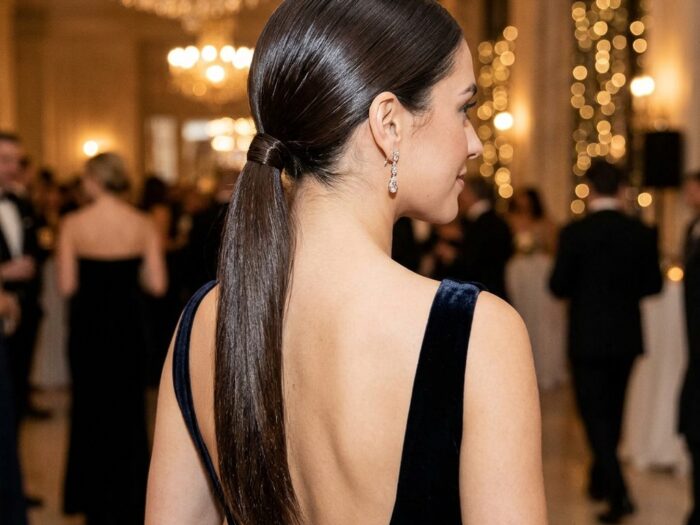
For fall, a bob or lob with soft texture tends to show dimension well. Blowouts with gentle waves reflect light across the surface and help glossy shades look luminous. In winter, sleeker styles can emphasize depth and shine, especially for espresso and wine tones.
Accessories can also help a new color look intentional. Pieces in warm metals such as gold or antique brass suit copper and golden tones, while silver and platinum often complement icy blonde and cool brown. Our guide to mixing gold and silver jewelry explains how to combine metals without making the look feel accidental.
Building a Seasonal Look Around Your Hair
Hair color works best when it fits the rest of your style. A deep espresso shade can look especially cohesive with a fall capsule of camel, rust, and forest green. A copper or auburn tone suits warm neutrals like oatmeal, cream, and tan. Icy blonde pairs well with charcoal, navy, and black.
If you are also planning your wardrobe for the season, the fall capsule wardrobe with ten pieces offers a useful color base that can work with many of the shades described here. Choosing your hair color first and then building a palette around it can make dressing easier through the colder months.
For more styling ideas, the beauty hairstyles collection offers ways to pair cuts and textures with new color.
Final Thoughts
Fall and winter 2027 offer a wide range of hair colors, from velvet espresso and wine red to copper, auburn, and icy blonde. The best choice depends less on the trend itself and more on your undertone, your maintenance tolerance, and the way you want your hair to look in different lights.
Take time to consider how a shade will grow out, how it will look next to your face and wardrobe, and how much care it will need. A thoughtful consultation with a colorist can help you find a shade that feels current and still looks like you.
Frequently Asked Questions
What is the most popular hair color for winter 2027?
Deep, glossy shades are leading the season. Wine red, midnight espresso, and velvet espresso are among the most discussed, while icy and buttery blondes are also widely recommended.
Which fall colors suit people with cool undertones?
Cool undertones tend to look best with ash brown, midnight espresso, icy blonde, and deep cool reds. Shades with a strong golden base can sometimes look too warm against cool skin.
Can I go from dark brown to copper in one appointment?
It depends on the starting color and the condition of your hair. Moving from very dark brown to a bright copper often requires lightening first, which may need multiple sessions to avoid damage. A colorist can recommend a safe timeline.
How often do I need to refresh a deep red or wine shade?
Red shades fade faster than brown. Many people refresh with a gloss every few weeks and visit the salon for a full color touch-up every several weeks, depending on growth and fading. Your colorist can suggest a schedule based on your hair.
Is gray blending a good option if I have only a little gray?
Yes. Gray blending can soften the look of a few gray strands by blending them into the surrounding color. It often works well with brown, auburn, and blonde shades and can reduce the frequency of root touch-ups.
How can I keep my hair color from fading in winter?
Use a sulfate-free, color-protecting shampoo and conditioner, wash with lukewarm water, use heat protectant when styling, and consider a weekly hair mask. Gloss treatments can also refresh tone and shine between appointments.

Ella is a fashion and beauty writer who shares inspiring ideas about hairstyles, nail designs, wedding outfits, and seasonal fashion trends. She loves discovering fresh styles and creating…
View Author Profile →




2 Comments