

On this page
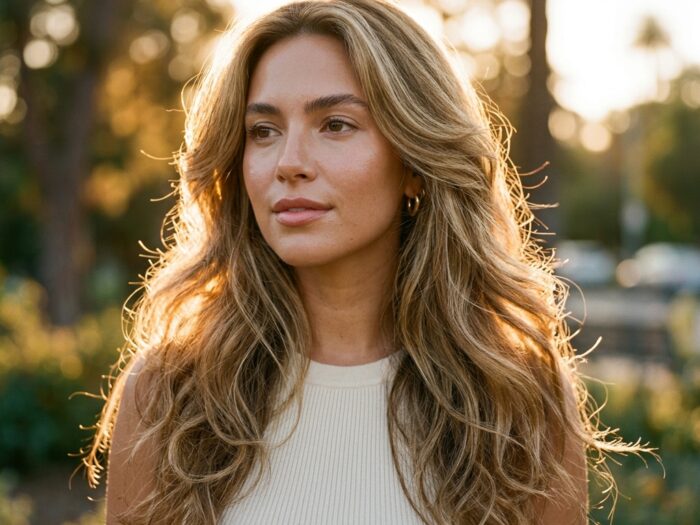
The butterfly cut started as a fast-moving social media favorite, but the version making the rounds now looks different from the first wave. Stylists have shortened some layers, lengthened others, and borrowed ideas from the wolf cut and the shag. The result works on more hair types and fits more daily routines than the original. This guide covers where the cut came from, how the newer versions differ, and which modern layered looks are worth bringing to your next appointment.
Where the Butterfly Cut Comes From
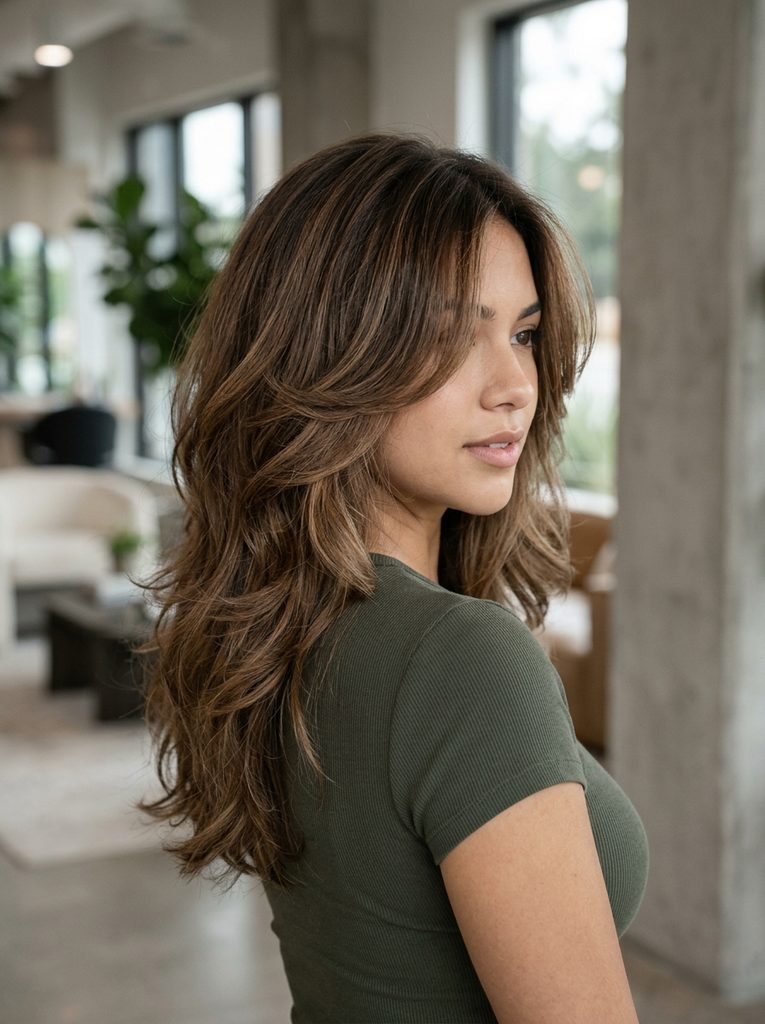
The butterfly cut draws on two older looks. The first is the 1970s shag, with its choppy layers and extra volume at the crown. The second is the soft, face-framing style many people associate with the 1990s, when layered hair with wispy pieces around the face was everywhere. The modern version blends these ideas into one shape: shorter pieces that sit around the face and longer ones that fall toward the back and ends.
Sources don’t agree on where the cut began. Wikipedia’s butterfly haircut entry dates an early version to the 1950s and notes its rise in the 1990s and mid-2010s, while L’Oréal Paris traces the modern version to the 1970s.
The name refers to the way those short and long sections seem to open and flutter, like wings. Some people also call it the thousand layer cut. Women’s Health, republished on AOL, describes it as a variation of the shag and notes the same alternative names. The name is catchy, but the shape is what matters. A well-cut butterfly looks intentional even when it is simply air dried, because the layers do most of the work.

How the Newer Versions Differ
The earliest butterfly cuts leaned on a dramatic, almost chopped finish. The newer takes are generally softer. Stylists now pay closer attention to where the top layers begin, often somewhere between the cheekbone and the jawline, so the front doesn’t look too short for everyday wear. Many are also keeping more overall length, which means the cut can work on hair that reaches the shoulders or sits below them.
Texture has changed too. Instead of cutting every layer straight across and leaving it there, many modern versions use point cutting or thinning shears to remove bulk from the ends. This softens the outline when the hair is worn down and keeps the ends from looking blunt. The effect is a shape that feels flexible, polished on a busy weekday and loose on a weekend.
Finally, the newer cuts are more personal. Rather than following one standard template, stylists adjust layer placement based on hairline, cowlick direction, and natural movement. Two clients who both ask for butterfly layers may leave with quite different haircuts, and that is usually a sign the cut is being fitted to the person rather than the trend.
Butterfly, Wolf, and Other Layered Cuts
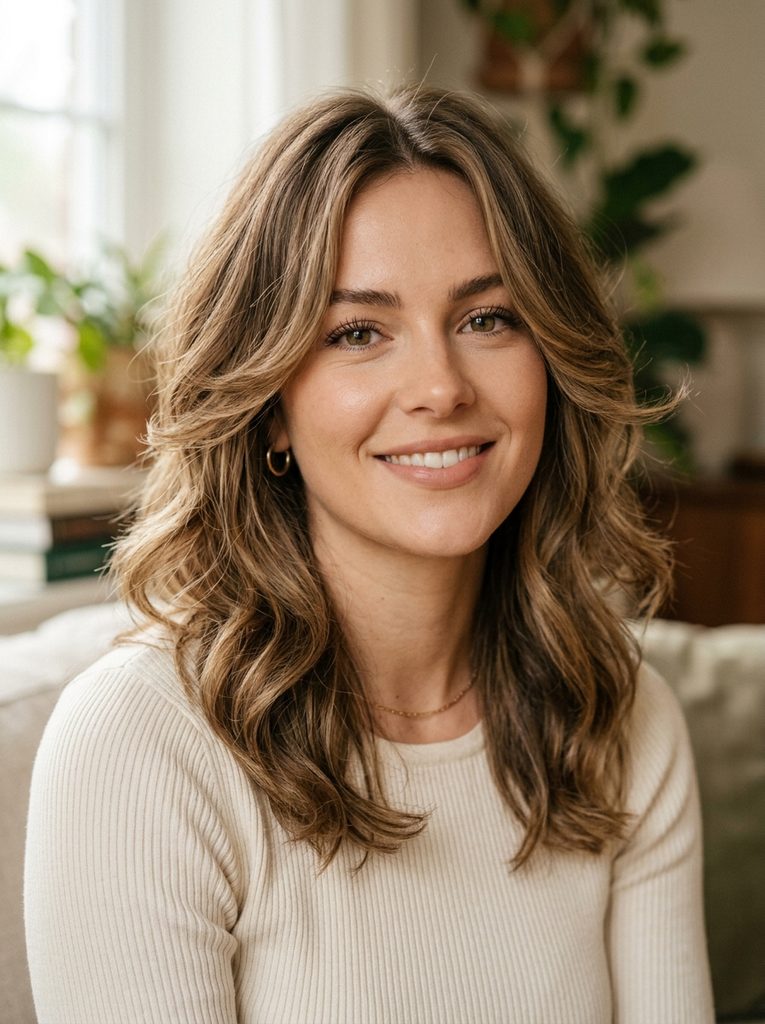
These styles get mixed up often, so it helps to see how they differ. A traditional layered cut uses fairly even layers from crown to ends. The result is a rounded, consistent shape that is easy to maintain and works on many hair types. A butterfly cut is more open. The layers are disconnected, the front sits shorter than the back, and the overall silhouette looks lighter.
The wolf cut is the butterfly’s more dramatic relative. It usually has heavier shaping at the crown, a stronger mullet-like outline at the back, and more visible separation between sections. It tends to look rougher and more deliberately undone. If you like the idea of a shag but want something more refined, the butterfly sits between a traditional layer and a wolf. Think of it as the calmer option of the two.
Shags overlap with the butterfly as well, especially in their use of texture and face-framing. The main difference is usually the front. Shags often have fringe that sits closer to the brow, while butterfly versions open the face with longer, feathered pieces at the sides.
Modern Layered Looks to Try
Butterfly With Curtain Bangs
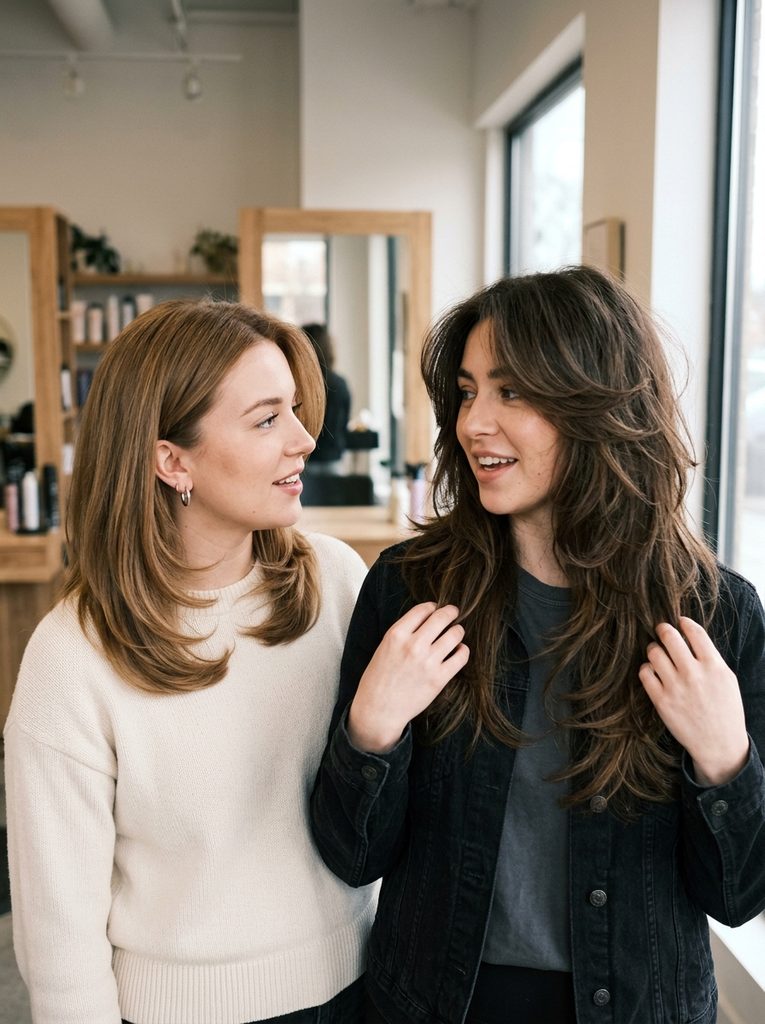
Curtain bangs are one of the most popular partners for a butterfly cut. They part in the center and sweep toward each side, so they blend into the face-framing layers rather than sitting on top of them. The effect softens the forehead and draws attention to the cheekbones. Ask your stylist to leave the bangs slightly longer than you think you need. They can always be trimmed later, but length can’t be added back.
Soft Butterfly on a Lob
A long bob is a useful starting point for anyone who wants a shorter cut with some movement. Butterfly layers on a lob are usually kept gentle. The shortest pieces begin near the jaw, and the rest blend into the length below the collarbone. This version suits people who like neat, polished hair during the day but want lift and swing when they style it. Because the outline stays fairly defined, it also tends to look good on naturally straight hair.
If your hair is fine or flat, bob haircuts for fine, flat hair covers shorter cuts that add lift without heavy layering.
Butterfly Cut on Short Hair
On short hair, the same principles apply, but there is less room for error. Heavy layering can make a short cut look choppy instead of airy. Many stylists instead use thinning shears a couple of inches from the ends and focus on creating lightness through the crown and sides. The goal is a tapered finish that catches the light and moves when you turn your head.
Some people try to create this look at home with a ponytail method, cutting across a tight ponytail to set the length. This can work for very simple trims, but it is easy to remove more than you planned, and uneven edges are hard to fix once they are cut. If you want a short butterfly, book a consultation first and ask your stylist to show you how the layers will fall once dry.
Wolf-Butterfly Blend
For those who want more edge, a hybrid works well. This version keeps the open, layered structure of the butterfly but borrows the tousled texture of the wolf. The crown gets more shaping, the mid-lengths are feathered, and the ends are cut with a slightly rougher finish. It suits people with thicker or wavy hair, since the texture has more to hold. The look also suits anyone who wants a little attitude without going fully dramatic.
Long Hair With Subtle Butterfly Layers
If you have long hair and want to try the look without a big change, ask for subtle butterfly layers. The shortest pieces can start at the cheekbone, and the rest can blend into the length through the back. This keeps your overall length while adding the flutter effect at the front. It is a practical option if you want to test how you feel about the cut before committing to something bolder. A few well-placed face-framing pieces are often enough to change the whole look.
Matching the Cut to Your Hair
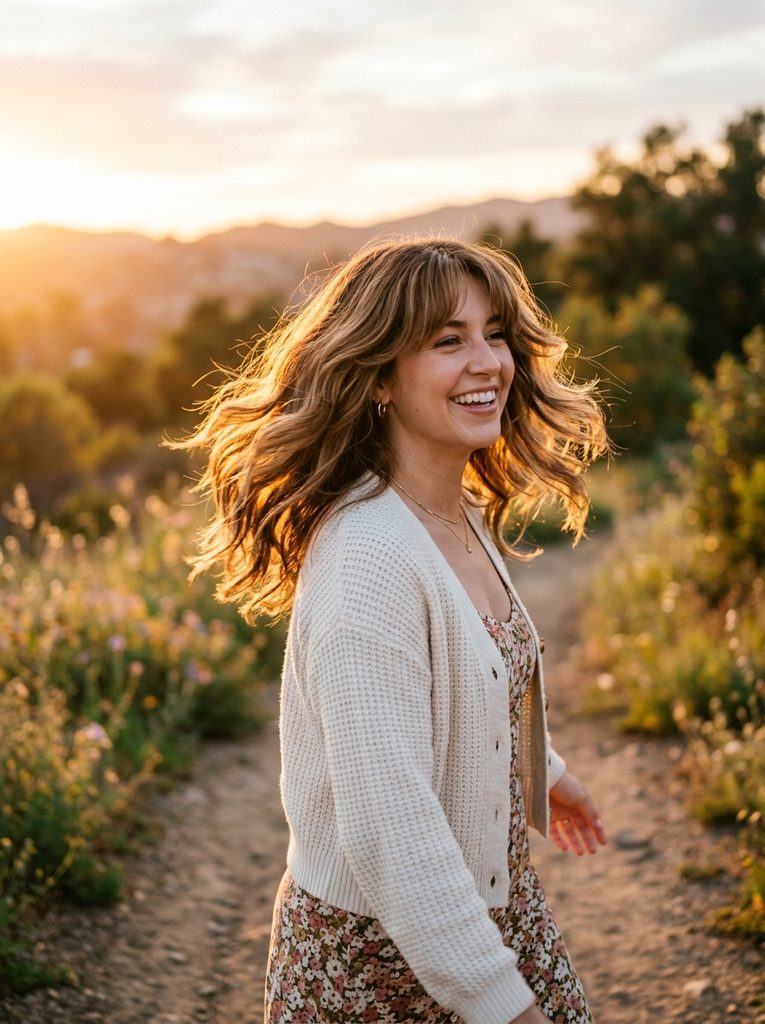
Hair texture changes how a butterfly cut performs, so the same instructions can produce very different results.
Fine hair benefits from layers kept slightly longer. Shorter pieces can make thin hair look sparse at the ends, so a stylist may leave more length through the mid-lengths and keep the face-framing pieces soft. L’Oréal Paris makes a similar point, noting that too many layers can make strands look sparse. Fine hair also tends to respond well to volumizing products and a round brush, which help the layers hold their shape through the day. For more ways to make fine hair look fuller, see long hairstyles that make thin hair look fuller.
Thick hair can handle more layering without looking flat. It usually holds structure well, but it can turn heavy at the ends if the bulk isn’t removed. Ask for internal weight to be thinned so the layers can separate and move. Without that, the cut can read as a shorter, thicker shag.
Wavy and curly hair needs its own approach. Many stylists prefer to cut curly hair dry because the curl pattern shows the real shape of each section. A dry cut helps avoid over-cutting, which is one of the most common reasons layered curly hair ends up uneven. L’Oréal Paris also suggests asking for a dry cut to account for shrinkage. Wavy hair often falls somewhere in between, so be clear with your stylist about whether you usually wear it straight, wavy, or with a defined curl.
Texture and Face Shape
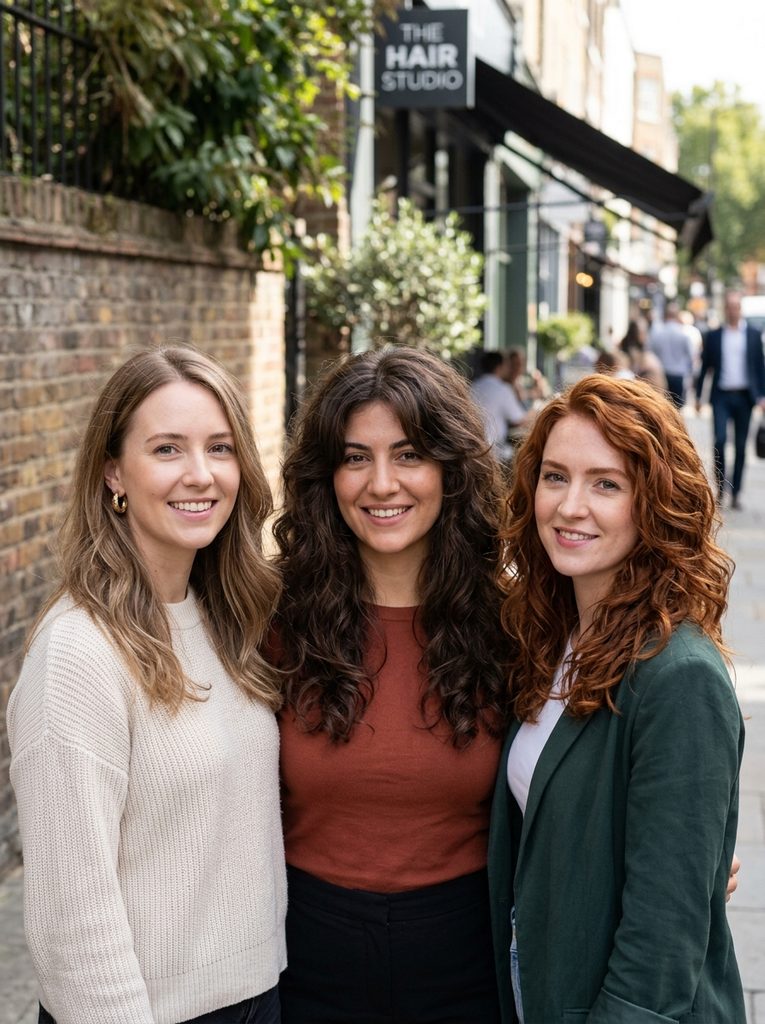
Many guides suggest that certain face shapes suit the butterfly cut better than others. There is some truth to this. Face-framing layers can soften a strong jawline or add balance to a round face by drawing the eye toward the cheekbones. A cut that starts just below the cheekbone tends to create a smooth line, while one that starts higher can look more dramatic.
Face shape is only one factor, though. Your hairline, the direction of your natural part, and where your hair grows from the crown all affect the final result, often more than people expect. Two people with similar face shapes can end up with very different outcomes if their hairlines differ. Bring a few photos to your appointment and note what you like about each one. That helps your stylist understand the mood you want, not just a rule to follow.
Color That Shows the Movement
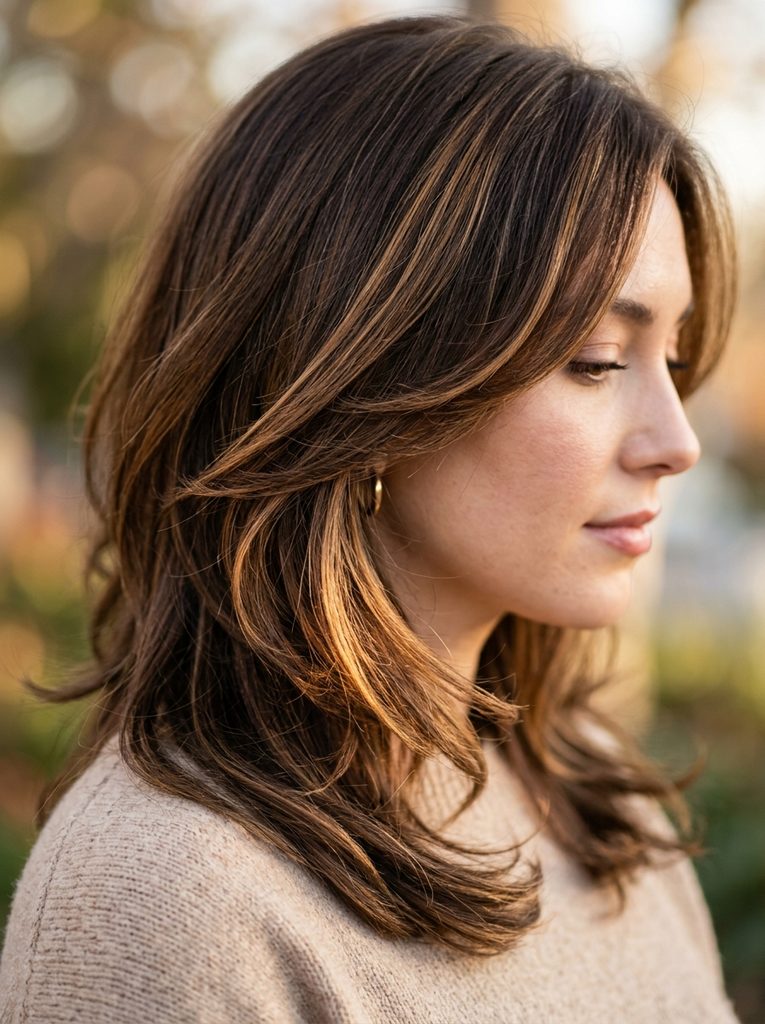
Color can make a butterfly cut look more dimensional, because layers catch light differently when the hair has variation. Soft, lived-in color tends to work best. Balayage, babylights, and face-framing highlights all add depth without creating harsh lines that compete with the cut.
Lighter pieces placed around the face can emphasize the shortest layers, which helps the shape read clearly. Slightly deeper tones at the roots and back keep the look grounded. If you have one flat, solid color, ask your stylist whether a gloss or a few strategic highlights would show the layering better. Some people find that a soft tonal change is enough to bring the cut to life without a major commitment.
Maintenance is worth thinking about before you book. Highlights often need touch-ups every few months, while glosses fade faster but are quicker to refresh. Choose the level of upkeep you’re comfortable with, so the color stays as fresh as the cut.
Styling the Cut Day to Day
Butterfly cuts are often described as low-effort, and they can be. They still respond to a few habits, though, and choosing the right method for your hair makes a noticeable difference.
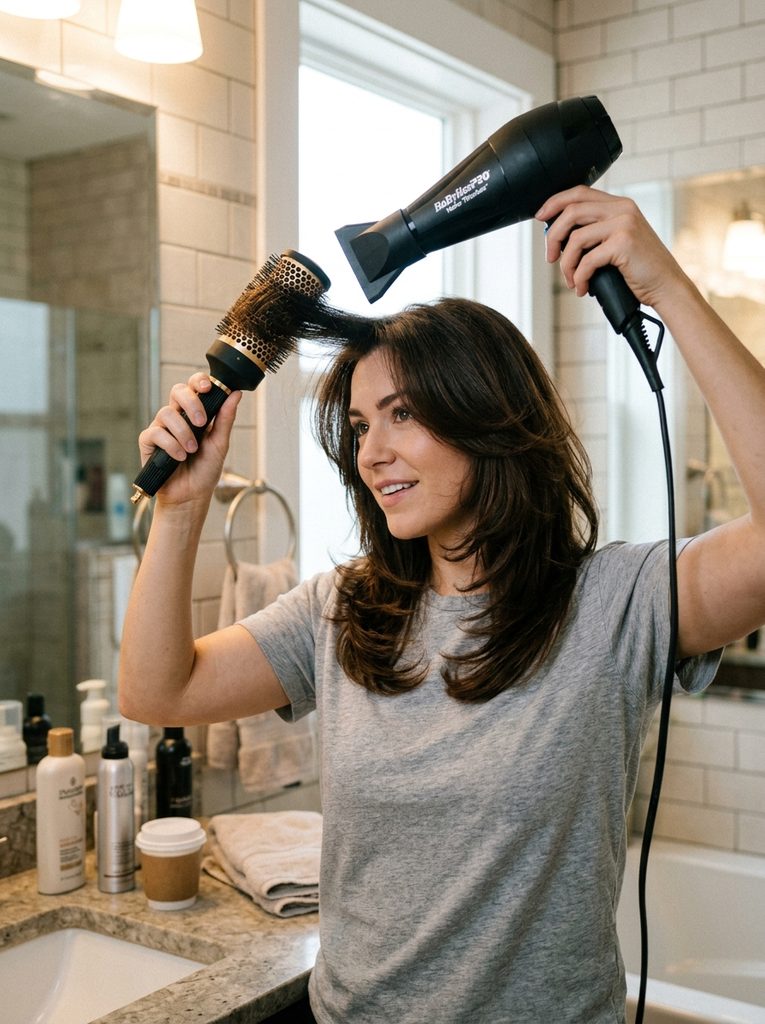
For volume and bounce, blow dry with a round brush. Direct the face-framing pieces away from the face, and lift at the roots as you go. Finish with a light hairspray to hold the shape without stiffness. If your hair tends to fall flat, a volumizing mousse applied to damp hair before drying can help the layers stand up.
For soft, lived-in texture, let your hair air dry partway, then scrunch in a texturizing product or a light sea salt spray. Use your fingers to separate the layers so they don’t clump together. This approach works especially well on wavy hair and on the wolf-butterfly blend, where a little disorder is part of the appeal.
For a sleeker finish, apply a smoothing product to damp hair and blow dry with a paddle brush. Keep the layers gently pulled forward so they frame the face. A small amount of oil on the ends reduces frizz and adds shine without weighing the layers down. If you want more low-effort options for busy mornings, see easy long hairstyles for busy weekday mornings.
Curly and wavy hair should be styled while damp. Apply product, then diffuse or let it air dry. Avoid brushing once it has dried, since this can flatten the layers and remove the bounce the cut was designed to create.
Mistakes to Avoid at the Salon
Some problems with butterfly cuts come from the appointment itself rather than the hair. Knowing what to avoid can save you from a result you didn’t expect.
Asking for “butterfly layers” without any detail is one of the most common issues. Without specifics, the stylist may choose a version that is shorter or longer than you pictured. Describe where you want the shortest pieces to begin and how much length you want to keep at the back.
Ignoring your natural hair pattern is another. Cutting hair you usually wear straight as though it will be worn curly, or the reverse, often leads to disappointment. Share how you typically style your hair, even if most days it simply air dries.
Skipping the first week or two can also lead to second-guessing. Layered cuts often look different after several washes, as the hair settles into its natural shape. Give the cut time before deciding whether to adjust it.
Finally, avoid booking too many changes at once. A new butterfly cut combined with a major color change and a fringe can make it hard to tell what is working. Pick the change that matters most to you and build from there.
Finding Your Version
The butterfly cut has moved well beyond its first viral moment. The newer versions are shorter and longer, softer and more textured, and gentle enough to try on long hair. That range gives more people a way to enjoy the shape without committing to an extreme look.
The right choice depends on your hair texture, how much daily styling you enjoy, and the kind of movement you want. If you’re unsure, start with a softer version, such as subtle layers on long hair or a gentle lob, and see how it grows out and styles over a few weeks. Bring photos, be specific about your routine, and let the cut settle before judging it. A good butterfly should feel easy to live with, and that is usually the sign you chose well.

Ella is a fashion and beauty writer who shares inspiring ideas about hairstyles, nail designs, wedding outfits, and seasonal fashion trends. She loves discovering fresh styles and creating…
View Author Profile →