

On this page
- Know Your Burgundy First
- The Quiet Partners
- The Soft Partners
- The Bolder Partners
- Wearing Burgundy With Burgundy
- Prints and Textures That Suit Burgundy
- Metals, Leathers and Hardware
- Pairing by Garment
- Beauty Details That Echo Burgundy
- Colors to Handle With Care
- How the Palette Shifts Through the Season
- Building a Burgundy Palette From What You Own
- FAQs
- A Deep Shade Worth Using More
Burgundy has a talent for looking expensive. A sweater, a coat, a pair of loafers or a handbag in the shade tends to read as deliberate, even when the rest of the outfit is simple. The trouble starts at the next step: choosing what sits beside it.
Most people reach for black and stop there, which works but leaves a lot unused. Burgundy responds very differently to each partner, turning moodier beside charcoal, softer beside pink and livelier beside mustard. This guide sorts the options by what each pairing actually does, adds notes on fabrics, metals and beauty details, and finishes with a way to build a burgundy palette from clothes you may already own.

Know Your Burgundy First
Burgundy is a family of shades, and the version you own changes which partners work best. Before pairing anything, look closely at the piece in daylight.
Blue-leaning burgundy. Deeper wine and plum-tinged shades carry a cool, purple undertone. They sit comfortably beside navy, charcoal, silver tones, dusty blue and cool greys.
Brown-leaning burgundy. Oxblood, brick-burgundy and cordovan have a warmer, earthier base. They suit camel, chocolate, olive, cream and gold.
Balanced burgundy. Many shades fall in the middle, which gives you more flexibility. Test a few partners before committing.
If you are unsure how undertones work with your own coloring, the explanation in bridesmaid dress colors that actually work across every skin tone covers the idea of warm and cool shades in more detail.
The Quiet Partners
Neutral partners let burgundy lead. They are the easiest place to start and the most dependable for daily wear.
Charcoal and Grey
Grey is the pairing for days when you want an outfit to look composed with no effort. The two colors never compete, so a grey trouser or knit lets a burgundy piece carry the look. Who What Wear’s guide to burgundy pairings also points to grey as a low-effort partner.
Light heather grey gives a softer look, and deep charcoal gives a sleeker one. Try a burgundy knit with charcoal wool trousers, or a grey coat over a burgundy dress.
Camel, Toffee and Chocolate
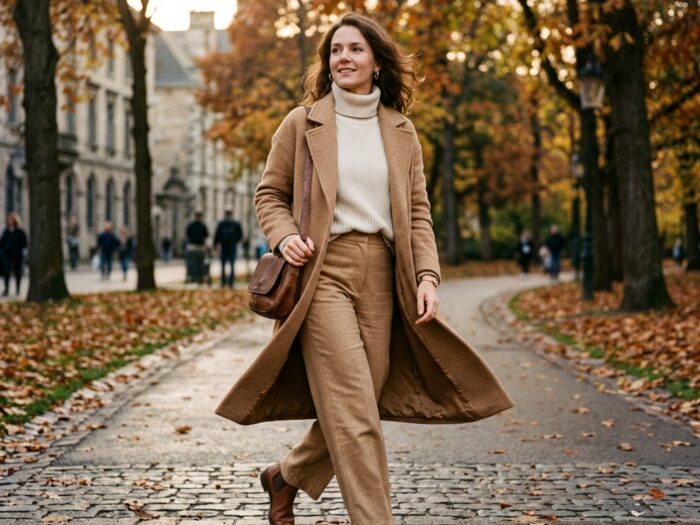
Warm browns make burgundy feel rich and settled. A fashion editor quoted by The Zoe Report suggests chocolate brown, toffee, camel and soft beige for anyone who prefers an understated palette. These shades share burgundy’s depth without matching it.
A camel coat over a burgundy sweater is a classic example, and a chocolate suede boot adds a second layer of texture. For more on brown outfits this season, brown denim outfit ideas for fall 2026 shows how to use brown as a main color.
Cream and Ivory
Cream softens burgundy without changing its character. A cream cable-knit with burgundy trousers, or an ivory blouse under a burgundy blazer, looks light and clean. Ivory often looks warmer and more flattering than stark white.
Navy
Navy and burgundy are both deep and slightly formal, which makes them a natural match. The combination works well in workwear and in evening outfits. Keep the proportions uneven, with one color leading, so the outfit does not look like two competing dark blocks.
Black
Black is dependable and elegant. It makes burgundy look sharper and more dramatic. To avoid a flat result, vary the textures, such as a black leather boot with a burgundy wool skirt, or a black velvet blazer over a burgundy silk-feel top.

The Soft Partners
Gentle shades lighten burgundy and give heavy winter fabrics a fresher feel.
Blush and Dusty Pink
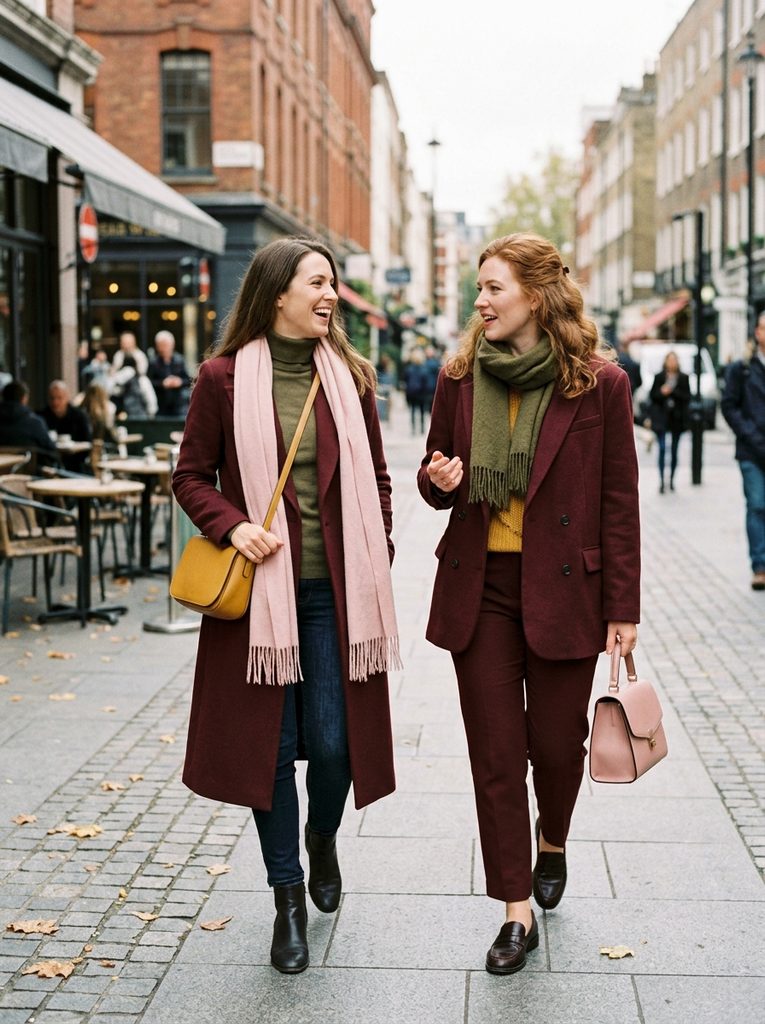
Pink and burgundy are one of the season’s most talked-about pairings. Grazia reports that Fall/Winter 2026 has made the combination popular, noting that pale pink feels particularly refined beside oxblood, while stronger pinks suit darker burgundy tones that keep their intensity in check.
Try a blush cardigan over burgundy trousers, or a burgundy satin skirt with a muted pink top. Keep the silhouettes simple so the colors do the work.
Dusty Blue and Powder Blue
Blue looks unexpected beside burgundy, which is part of its appeal. MR PORTER’s colour-pairing feature describes it as a day-to-night combination, with burgundy kept as the focus and blue used to lighten the effect. A powder blue shirt under a burgundy knit, or light-wash denim with a burgundy jacket, follows that approach.
Sage and Olive
Muted greens feel natural beside burgundy, since both colors appear in autumn foliage. Olive trousers with a burgundy sweater make a relaxed, earthy outfit. A sage scarf adds a quiet contrast to a burgundy coat.
Mushroom and Taupe
These in-between neutrals create a soft, grown-up palette. A taupe trench with a burgundy bag and mushroom-toned boots looks calm and expensive. The combination keeps contrast low while still allowing burgundy to show.
The Bolder Partners
Stronger colors work when burgundy is the anchor and the second shade appears in smaller amounts.
Mustard and Gold
Yellow sits on the opposite side of the color wheel, which is why the pairing feels surprising and retro. A mustard scarf with a burgundy coat, or a gold-toned knit with burgundy trousers, can brighten a gray day. Choose muted, slightly earthy yellows rather than lemon shades.
Forest and Emerald Green
Deep green beside burgundy has a jewel-box richness, especially in velvet or satin. Use one in a large piece and the other in a smaller accent. A forest-green coat with burgundy boots, for example, feels seasonal and refined.
Cobalt Blue
Cobalt provides a crisp contrast. One report on autumn-winter 2026 colors lists cobalt among the strong shades that work alongside burgundy. Use it sparingly, perhaps in a bag, a scarf or a pair of earrings, so the combination stays controlled.
Orange and Rust
Rust and burnt orange share burgundy’s warmth. They suit autumn best, in knits, suede and corduroy. Keep the orange muted, as bright shades may clash with burgundy’s depth.

Wearing Burgundy With Burgundy
A monochrome outfit that combines several shades of the same color can look sophisticated. The key is to vary tone and texture, since identical shades in identical fabrics can look like a uniform.
Mix a darker wine with a lighter berry. Combine a matte wool coat with a satin-feel skirt, or a ribbed knit with a leather bag. A touch of a neutral, such as cream socks or a grey scarf, can break up the block and keep it from feeling heavy.
Tonal dressing also works with plum, aubergine and dusty rose, which sit close to burgundy on the color wheel.
Prints and Textures That Suit Burgundy
Patterns can add interest without extra colors.
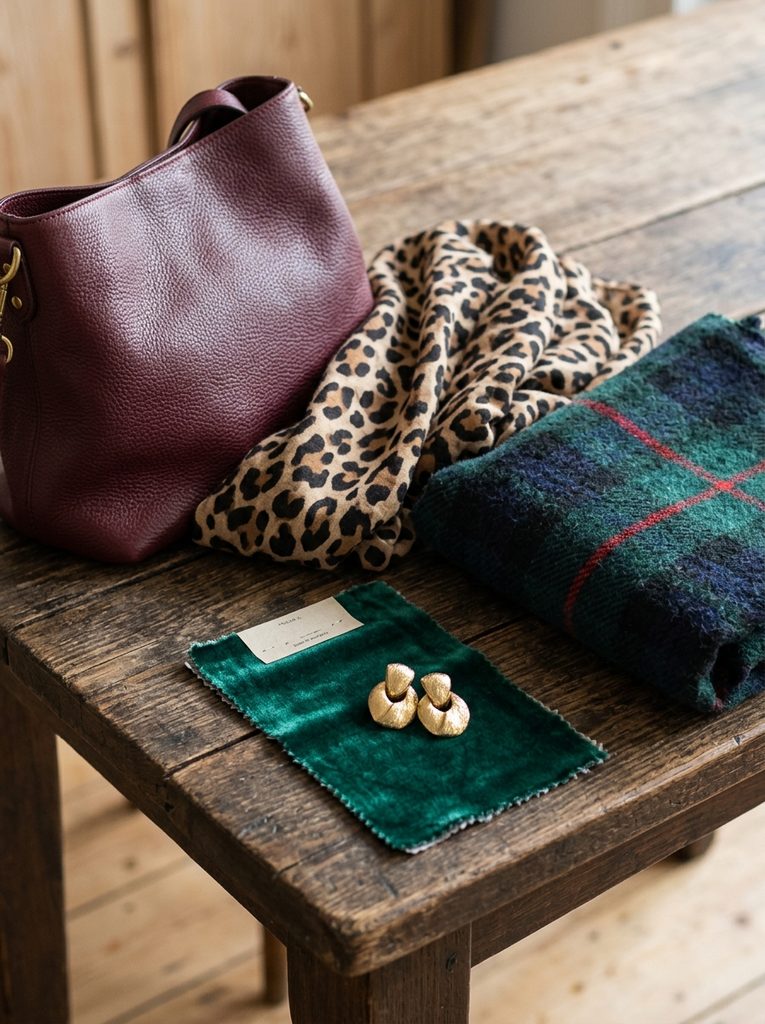
Leopard print. Who What Wear notes that leopard fits the moodier side of fall dressing. A leopard coat over a burgundy dress, or a leopard bag with burgundy separates, works well.
Plaid and tartan. Burgundy often appears in tartan, so a plaid skirt with a burgundy knit, picking up one color from the pattern, looks coordinated.
Stripes. A striped top in burgundy and cream is simple and classic.
Velvet and satin. Both fabrics deepen burgundy and give it a jewel-like finish. They suit evening wear and holiday dressing.
Suede and leather. Brown or burgundy leather adds depth, and suede softens the overall look.

Metals, Leathers and Hardware
Small details can shift the mood of a burgundy outfit.
Gold hardware warms burgundy and suits brown-leaning shades. Silver and pewter suit cooler, wine-toned burgundies and add a more modern edge. Mixed metals work if they are limited and intentional.
For leather, brown, tan and black all work. Brown gives a softer finish, while black sharpens it. A burgundy leather bag or shoe can serve as a quiet accent when the rest of the outfit is neutral.
Pairing by Garment
Different burgundy pieces call for different partners. This table gives a quick reference.
| Burgundy piece | Best partners | Why it works |
|---|---|---|
| Coat | Grey, cream, black, denim | Lets the coat lead without crowding |
| Knit sweater | Camel, olive, light denim | Soft textures with warm contrast |
| Trousers | Blush, ivory, navy, chocolate | Easy balance between top and bottom |
| Skirt | Charcoal, cream, black leather | Pairs well with structured layers |
| Dress | Camel coat, black boots, gold jewelry | Clean, seasonal finish |
| Bag or shoes | Neutrals, olive, navy | A small accent that ties an outfit together |
Beauty Details That Echo Burgundy
Makeup, nails and hair can repeat the shade without matching it exactly. These are style ideas, so choose what suits your own tastes and routine.
Lips. A berry, wine or rosewood lip echoes a burgundy outfit. A sheer tint is a lighter option for daytime.
Nails. Deep burgundy, oxblood or a soft milky pink all pair well. A glossy finish looks polished, and a matte finish feels moodier.
Hair. Warm brown, auburn and deep chestnut tones sit well beside burgundy clothing. Smooth, shiny styling gives a refined look.
Eyes. Warm browns, bronze and soft plum shades complement the palette. Keep the rest of the makeup simple if you wear a bold lip.

Colors to Handle With Care
A few combinations can look muddy or loud if they are not planned.
Bright red. Red and burgundy sit close together and can look like a mismatch. If you want to combine them, use clearly different tones and keep the red in a small accent. The approach in blue outfits with cherry red accents for fall 2026 shows how to keep red controlled.
Purple. Plum can work as a tonal match, but mid-purple may look flat beside burgundy. Pick deeper shades.
Neon and very bright colors. They can overpower burgundy’s depth. If you like brights, choose one and keep it small.
Washed-out brown. A pale, muddy brown can dull burgundy. Choose richer shades such as chocolate or camel.
How the Palette Shifts Through the Season
Early fall favors warm, earthy partners such as camel, olive, rust and cream. These work with lighter layers and suede.
Deep winter suits charcoal, black, navy and grey, along with heavier fabrics like wool and velvet. Cooler, wine-toned burgundies stand out here.
Holiday dressing leans toward satin, velvet, gold or silver accessories, and richer combinations such as burgundy with emerald or navy.
Building a Burgundy Palette From What You Own
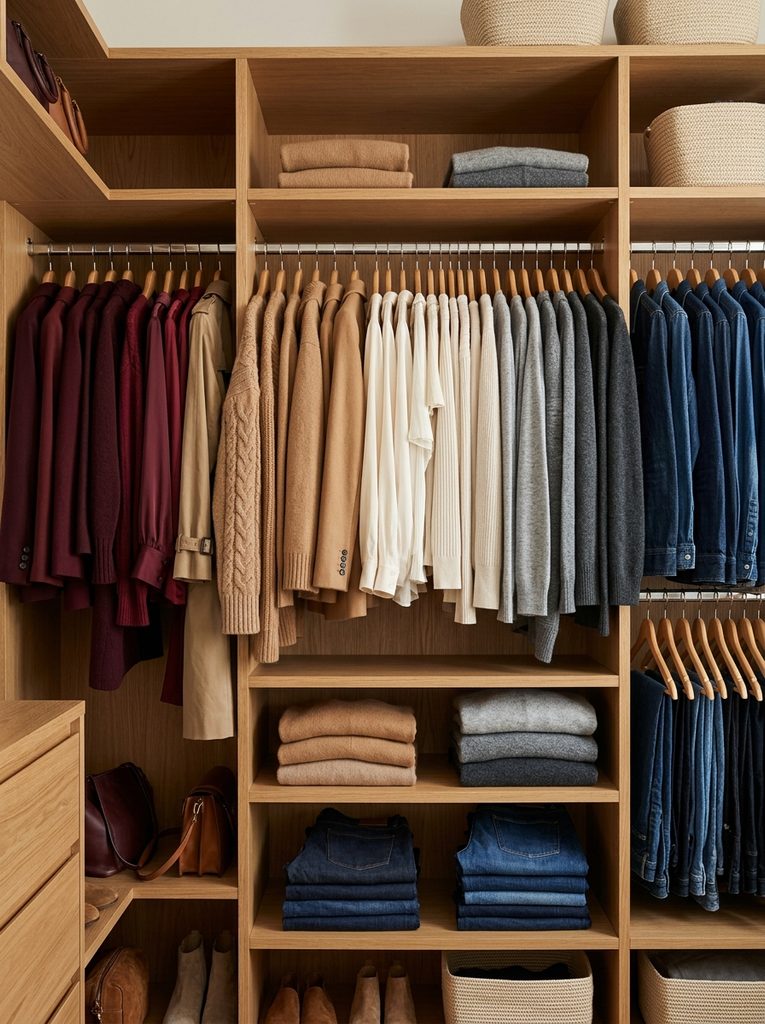
You do not need to start from scratch. Lay your clothes out and look for the quiet partners already in your closet: grey knits, camel coats, cream tops, dark denim.
Add one or two burgundy pieces, such as a scarf, a bag, a sweater or a pair of trousers. Test them with each neutral. If three or four combinations feel natural, you have a base.
Then add a single soft or bold partner, like blush or mustard, to widen the range. A small, flexible set often works better than a large one. For help with planning a limited set of pieces, see a ten-piece fall capsule wardrobe that actually repeats well.
FAQs
What colors go best with burgundy?
Grey, camel, cream, navy and black are the most dependable. Blush pink, dusty blue, olive, mustard and forest green add more variety. The best choice depends on the undertone of your burgundy.
Does burgundy go with black?
Yes. Black gives burgundy a sleek, dramatic look. Varying the textures, such as leather with wool, keeps the outfit from looking flat.
Can I wear burgundy with navy?
Yes. Both are deep, formal shades. Let one color lead and use the other in smaller amounts so the outfit has a clear focal point.
What goes with burgundy pants?
Cream, blush, ivory, grey, navy and chocolate brown all work. Dark burgundy trousers also suit most neutrals, so a simple knit and leather boots are enough.
What color shoes go with a burgundy dress?
Black, brown, tan and nude are the easiest options. Burgundy shoes also work if the shade differs slightly from the dress, which avoids an exact match.
Can I wear burgundy with pink?
Yes. Pale pink looks refined beside oxblood and deep burgundy, while stronger pinks pair better with darker shades. Keep silhouettes simple so the colors stand out.
Which metals suit burgundy?
Gold flatters brown-leaning and warm burgundies, while silver suits cooler, wine-toned shades. Mixed metals can work if kept limited.
A Deep Shade Worth Using More
Burgundy rewards some attention to its partners. Check its undertone, choose one quiet color and one accent, and let the rest of the outfit stay calm. The result usually looks more considered than a pairing chosen by default.
Start with a piece you already own, try it beside two or three of the colors above, and see which combinations feel natural. After a few outfits, the pairings that suit your wardrobe and your coloring tend to become clear.

Ella is a fashion and beauty writer who shares inspiring ideas about hairstyles, nail designs, wedding outfits, and seasonal fashion trends. She loves discovering fresh styles and creating…
View Author Profile →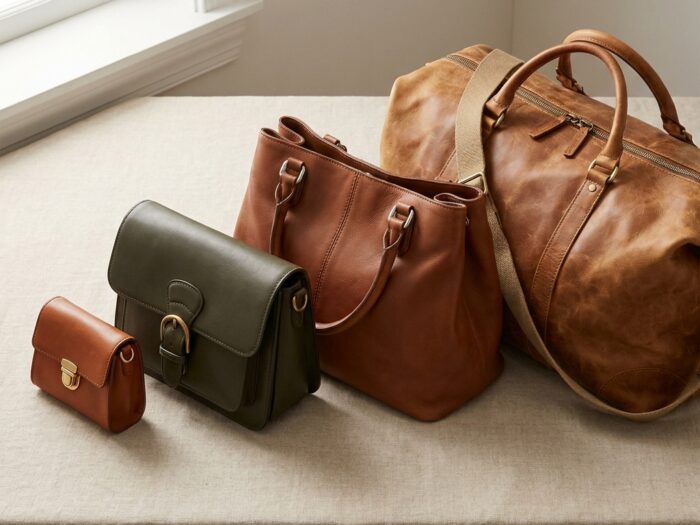

2 Comments